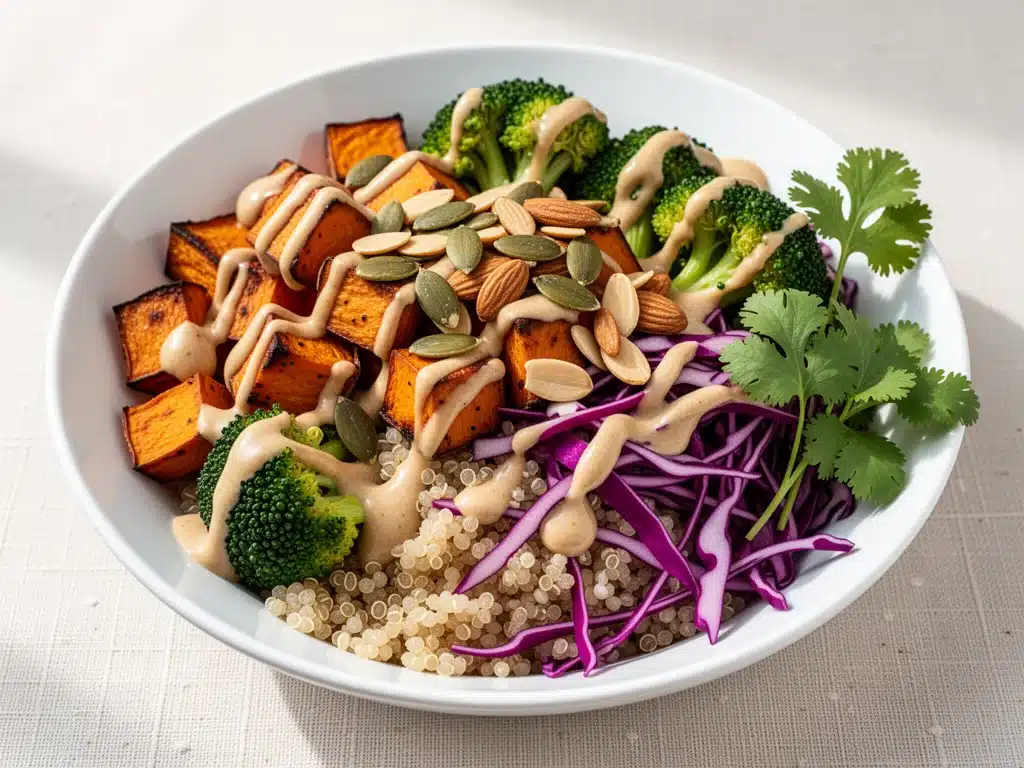
Last Tuesday, I stood in front of my open refrigerator at 12:30 PM, feeling that familiar afternoon slump creeping in. My brain was foggy, my energy was flat, and the idea of cooking a “real” meal felt impossible. I’d made a huge dinner the night before, so the thought of chopping vegetables or managing pots and pans was exhausting. I wanted something that would actually fuel me for the rest of the afternoon, not leave me sluggish an hour later. That’s when I remembered a bowl I’d been experimenting with—something colorful, crunchy, and packed with protein that came together in literally ten minutes.
That was three months ago. Since then, this healthy vegetarian buddha bowl has become my absolute go-to lunch. It’s saved me from the daily takeout trap, it keeps me energized until dinner, and honestly? It’s the most satisfying thing I eat all day. I’ve made this recipe at least two dozen times, tweaking the grains and veggies to keep it fresh, but the core formula remains the same. It’s nutritious, it’s filling, and it tastes like something you’d pay $18 for at a trendy cafe, but it costs pennies more to make at home.
There’s something deeply comforting about building a bowl. It’s not just food; it’s a moment of pause. You get to choose your colors, layer your flavors, and create something that looks as good as it tastes. Whether you’re meal prepping for a busy workweek or just need a quick, wholesome lunch on a random Wednesday, this healthy vegetarian buddha bowl is the answer. It’s simple, it’s versatile, and once you try it, you’ll never go back to sad desk salads.
Why You’ll Love This Nutritious Lunch
Let’s be real: lunch is often the meal we sacrifice. We grab whatever is fastest, which usually means something processed, salty, and lacking in actual nutrition. This healthy vegetarian buddha bowl changes that narrative completely. It’s not about restriction or eating “diet food.” It’s about eating real, whole ingredients that make you feel amazing.
Here’s why this recipe has earned a permanent spot in my weekly rotation:
- Actually Filling — Most salads leave you hungry an hour later. This bowl has complex carbs (quinoa or brown rice), healthy fats (avocado and tahini), and plenty of fiber. I eat this at noon and don’t think about food until 6 PM. It sustains you.
- Five Ingredients (Plus Pantry Staples) — I’m not exaggerating. The base components are just five main items. You don’t need a specialty grocery store or a week of prep. If you have a fridge with vegetables and a pantry with grains, you’re good to go.
- Meal Prep Friendly — This is the ultimate make-ahead lunch. I chop all my veggies on Sunday, cook a big batch of grains, and assemble bowls throughout the week. They keep perfectly in the fridge for four days. No soggy mess, just fresh flavors.
- Customizable Forever — Hate cilantro? Swap it for parsley. Don’t like tofu? Use chickpeas or edamame. This healthy vegetarian buddha bowl is a framework, not a rigid rulebook. It adapts to whatever you have on hand.
- Cost-Effective — Eating out for lunch every day adds up fast. Making this at home costs about $3-4 per serving. That’s a massive savings over the long run, especially when you factor in the health benefits.
This isn’t just a lunch; it’s a solution to the “what’s for lunch?” dilemma. It’s nutritious, it’s delicious, and it’s genuinely easy to make. Once you get the hang of the formula, you’ll be building bowls without even thinking about it.
Ingredients You’ll Need
Here’s the best part: this healthy vegetarian buddha bowl relies on simple, accessible ingredients. You don’t need anything fancy. I’m particular about quality where it counts, but most of this is basic pantry and fridge staples. Let’s break down exactly what you need and why.
For the Base
Quinoa (1 cup dry / 180g) — I prefer quinoa because it’s a complete protein and cooks up fluffy and light. Brown rice works too, but it’s heavier and can make you feel sluggish. If you’re gluten-free, quinoa is your best friend here.
Water or Vegetable Broth (2 cups / 480ml) — Use water for simplicity, or vegetable broth if you want extra flavor. I always use low-sodium broth so I can control the saltiness.
For the Protein & Crunch
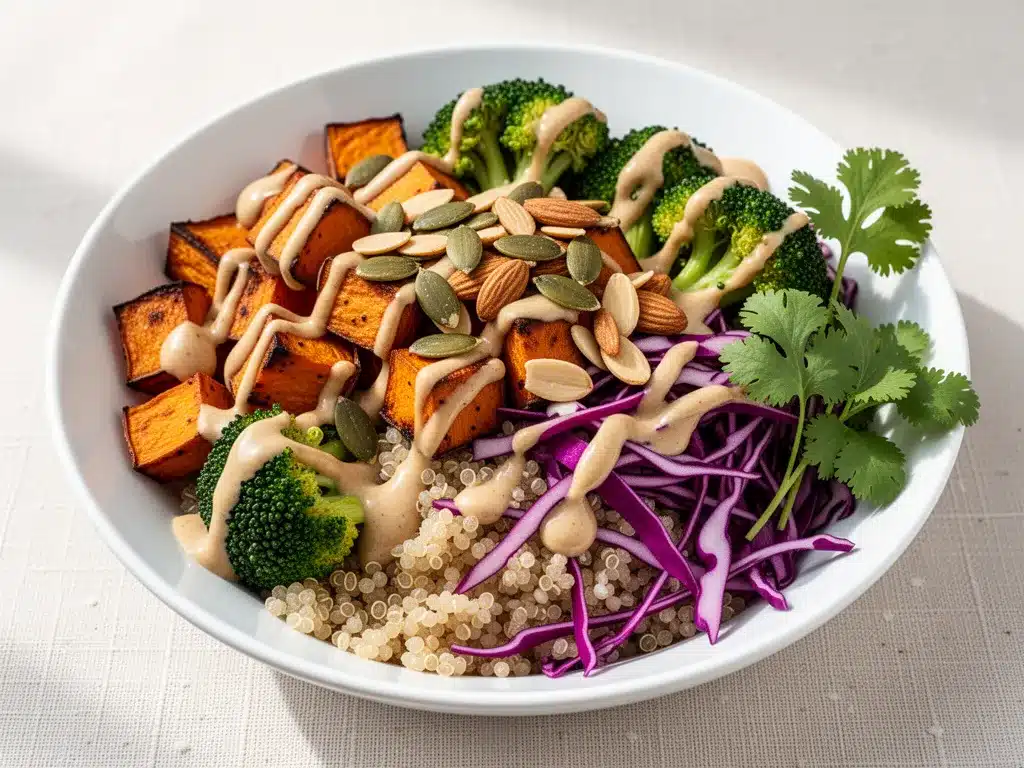
Chickpeas (1 can, 15oz / 425g, drained and rinsed) — Canned chickpeas are the easiest vegetarian protein. I roast them for better texture, but you can also use them straight from the can for speed. Garbanzo beans are mild and absorb flavor beautifully.
Avocado (1 large, ripe / about 150g) — Creamy, rich, and full of healthy fats. This is what makes the bowl feel indulgent. Look for one that yields slightly to gentle pressure but isn’t mushy.
Cucumber (1 medium / about 200g) — I use English cucumbers because they have fewer seeds and a thinner skin. They add a refreshing crunch that balances the soft grains. Persian cucumbers work great too.
For the Freshness
Red Bell Pepper (1 medium / about 150g) — Sweet, crisp, and colorful. Red pepper adds a nice contrast to the earthier ingredients. Yellow or orange peppers work too if that’s what you have.
Kale (1 bunch, stems removed / about 4 cups packed) — Yes, kale. I know, I know. But massaged kale is tender and delicious. It holds up well in the fridge and adds a serious nutritional boost. If you hate kale, spinach or arugula works, but they wilt faster.
For the Dressing
Tahini (3 tablespoons / 45ml) — Sesame seed paste. This is the secret weapon. It adds a nutty, creamy richness that ties everything together. Don’t skimp on good quality tahini; it makes a huge difference.
Lemon Juice (2 tablespoons / 30ml) — Freshly squeezed is non-negotiable. Bottled juice tastes flat and metallic. You need that bright acidity to cut through the richness of the tahini and avocado.
Maple Syrup (1 tablespoon / 15ml) — Just a touch to balance the tartness of the lemon. You can skip it if you prefer a purely savory dressing, but a little sweetness helps.
Garlic (1 clove, minced / about 1 teaspoon) — Fresh garlic only. No jarred stuff. It’s strong and aromatic and essential for flavor.
Salt and Black Pepper — To taste. I usually use about ½ teaspoon of salt for the dressing.
Optional Add-ins — I love adding roasted sweet potatoes, shredded carrots, or a handful of pumpkin seeds for extra crunch. Feel free to experiment.
Equipment Needed
You don’t need any fancy gadgets for this healthy vegetarian buddha bowl. Here’s what I actually use, and what you can substitute.
Saucepan with Lid — For cooking the quinoa. A medium saucepan works best. Any pot with a tight-fitting lid will do.
Small Mixing Bowl — For whisking the tahini dressing. A small bowl is perfect for this amount.
Whisk — To emulsify the dressing. A fork works in a pinch, but a whisk makes it smoother.
Large Bowl — For massaging the kale. You need room to work the oil into the leaves.
Sharp Knife — For chopping vegetables. A good chef’s knife makes quick work of peppers and cucumbers.
Cutting Board — Any size works. I use a large plastic one for easy cleanup.
Measuring Spoons — Standard stuff. I keep a set on my counter.
Airtight Containers — For storing leftovers or meal prepping. Glass containers are best because they don’t stain and keep food fresh longer.
How to Make It: Step-by-Step
Alright, let’s make this! I’m walking you through exactly how I build my healthy vegetarian buddha bowl, including the little tricks that make it taste restaurant-quality.
Step 1: Cook the Quinoa (15 minutes)
Rinse 1 cup of quinoa thoroughly under cold water. This removes the bitter saponin coating. In a saucepan, combine the rinsed quinoa with 2 cups of water or vegetable broth. Bring to a boil, then reduce heat to low, cover, and simmer for 15 minutes. Remove from heat and let it sit, covered, for 5 minutes. Fluff with a fork. You should have about 3 cups of cooked quinoa. Set aside to cool slightly.
Step 2: Prepare the Chickpeas (5 minutes)
Drain and rinse a can of chickpeas. Pat them dry with a paper towel. If you have time, toss them with a little olive oil, salt, and cumin, and roast at 400°F (200°C) for 20 minutes until crispy. This adds amazing texture. If you’re in a rush, just use them straight from the can. They’ll still be delicious.
Step 3: Massage the Kale (3 minutes)
Remove the tough stems from a bunch of kale. Chop the leaves into bite-sized pieces. Place them in a large bowl and drizzle with 1 tablespoon of olive oil and a pinch of salt. Use your hands to massage the kale for 2-3 minutes until it turns dark green and tender. This breaks down the fibers and makes it easy to digest. It might seem weird, but trust me.
Step 4: Make the Tahini Dressing (2 minutes)
In a small bowl, whisk together 3 tablespoons of tahini, 2 tablespoons of fresh lemon juice, 1 tablespoon of maple syrup, 1 minced garlic clove, and 2-3 tablespoons of warm water. Whisk until smooth and creamy. The dressing should be pourable but thick. Add more water if it’s too thick. Season with salt and pepper to taste.
Step 5: Chop the Vegetables (5 minutes)
Dice 1 red bell pepper and 1 cucumber. You don’t need them to be perfect; rustic chunks are fine. Slice 1 ripe avocado just before assembling to prevent browning.
Step 6: Assemble the Bowl
In a serving bowl, start with a base of warm quinoa. Add a portion of chickpeas, then arrange the kale, bell pepper, and cucumber around the edges. Slice the avocado on top. Drizzle generously with the tahini dressing. Add any optional toppings like pumpkin seeds or fresh herbs. Enjoy immediately!
Total Time: About 30 minutes (15 minutes active, 15 minutes mostly hands-off for quinoa cooking)
Troubleshooting Tips
- Quinoa is mushy: You used too much water or didn’t let it rest. Next time, use exactly 2 cups water per 1 cup quinoa and don’t lift the lid while cooking.
- Dressing is too thick: Tahini thickens when cold. Add warm water, one tablespoon at a time, until it reaches your desired consistency.
- Kale is too tough: You didn’t massage it long enough. Keep going until it’s wilted and tender.
Expert Tips & Tricks
Here’s everything I’ve learned from making this healthy vegetarian buddha bowl dozens of times. These tips will save you from common mistakes and help you get the best results.
Soak Your Quinoa
If you have time, soak the quinoa for 30 minutes before cooking. It reduces cooking time and makes it fluffier. It also helps remove any remaining bitterness.
Roast Your Chickpeas
I can’t stress this enough: roasted chickpeas change the game. Canned chickpeas are soft and bland. Roasting them adds crunch and depth. Toss with olive oil, salt, smoked paprika, and garlic powder. Roast at 400°F for 20-25 minutes. Let them cool completely before adding to the bowl.
Massage the Kale
This is non-negotiable. Raw kale can be tough and bitter. Massaging it with oil and salt transforms it into something tender and delicious. Don’t skip this step.
Prep the Dressing First
Make the tahini dressing before you chop the vegetables. It needs a few minutes to meld together, and the flavors improve as it sits. Also, tahini can separate in the jar, so stir it well before measuring.
Keep Avocado Fresh
Avocado browns quickly. Slice it just before eating, or toss the slices in a little lemon juice to prevent oxidation. If you’re meal prepping, store the avocado separately and add it fresh each day.
Vary the Grains
While quinoa is my favorite, you can swap it for brown rice, farro, or couscous. Each grain has a different texture and flavor, so try them all to see which you like best.
Variations & Substitutions
Once you’ve mastered the basic healthy vegetarian buddha bowl, here’s how you can mix it up. I’ve tried all of these, and they’re all delicious.
Protein Swaps
Tofu: Press and cube firm tofu, then bake or pan-fry until crispy. Toss with soy sauce and sesame oil for an Asian-inspired twist.
Edamame: Shelled edamame adds a pop of color and protein. Use frozen, thawed edamame for convenience.
Lentils: Cooked green or brown lentils hold their shape well and add a hearty texture.
Veggie Swaps
Roasted Sweet Potatoes: Cube and roast sweet potatoes with cinnamon and paprika. They add natural sweetness and creaminess.
Shredded Carrots: Add a handful of shredded carrots for extra crunch and beta-carotene.
Spinach: If you don’t like kale, use fresh spinach. It’s milder and wilts slightly in the warm quinoa.
Dietary Modifications
Gluten-Free: This recipe is naturally gluten-free as long as you use quinoa and check your tahini and chickpeas for cross-contamination.
Vegan: This recipe is already vegan. Just ensure your tahini and maple syrup are vegan-certified if you’re strict.
Lower-Calorie: Reduce the amount of avocado and tahini. Use less oil when roasting chickpeas. Add more non-starchy vegetables like cucumber and bell pepper.
Serving & Storage
Here’s how to enjoy and store your healthy vegetarian buddha bowl for maximum freshness and flavor.
How to Serve
I usually serve this bowl warm, with the quinoa still slightly heated. The contrast of warm grains and cool, crisp vegetables is delightful. Garnish with fresh herbs like cilantro or parsley, and a sprinkle of sesame seeds for extra flavor.
Side Dishes
This bowl is complete on its own, but if you want sides, try:
- Garlic Naan: For dipping into the leftover dressing.
- Simple Fruit: An apple or orange slice for a sweet finish.
- Green Tea: A light, refreshing drink that complements the meal.
Storage Instructions
Refrigerator: Store components separately in airtight containers for up to 5 days. Keep the dressing in a small jar. Assemble bowls just before eating to maintain texture. If you pre-assemble, the kale may wilt slightly, but it’s still edible.
Reheating: Reheat the quinoa and chickpeas in the microwave for 1-2 minutes. Let them cool slightly before adding fresh vegetables and avocado. Do not reheat the avocado or fresh vegetables.
Freezing: This bowl does not freeze well. The vegetables become mushy, and the avocado turns brown. Make it fresh for best results.
Meal Prep Strategy
On Sunday, cook a big batch of quinoa, roast a tray of chickpeas, and wash/chop all vegetables. Store everything in separate containers. During the week, assemble bowls in 5 minutes. This saves so much time during busy weekdays.
Nutrition Information
I’m not a nutritionist, but here’s the breakdown if you’re tracking. This is an estimate per serving (based on 4 servings).
| Nutrient | Amount |
|---|---|
| Calories | 450 |
| Protein | 18g |
| Carbs | 55g |
| Fiber | 12g |
| Sugar | 8g |
| Fat | 18g |
| Saturated Fat | 3g |
| Sodium | 320mg |
What’s Good: High in fiber, good plant-based protein, healthy fats from avocado and tahini. Packed with vitamins from the vegetables.
What to Know: Higher in calories due to healthy fats, but these are the good kind. Moderate sodium (use low-sodium chickpeas and broth to reduce).
My Take: This is nutrient-dense, satisfying food. It’s not a diet recipe, but it’s definitely healthy. When I eat this, I feel energized and nourished. It’s a great balance of macros.
Final Thoughts
So that’s my healthy vegetarian buddha bowl! I’ve probably talked your ear off at this point, but when you make a recipe this often, you have a lot to say about it. This bowl has saved me from the daily lunch slump, saved me money on takeout, and given me a reliable, nutritious meal that I actually look forward to.
It’s my answer to “what’s for lunch?” when I’m tired, busy, or just don’t feel like cooking. It’s nutritious, it’s delicious, and it’s genuinely easy to make. My friends love it, my family loves it, and I hope you will too.
Make it yours! Try different grains, swap in your favorite vegetables, adjust the dressing to your taste. The best recipes are the ones you adapt to your own preferences. If you make this, drop a comment and let me know what you think! I love hearing how recipes turn out in your kitchen.
Happy cooking! And I hope your lunch breaks are as enjoyable as mine are now.
Frequently Asked Questions
Can I use brown rice instead of quinoa?
Absolutely! Brown rice is a great alternative. Just note that it’s heavier and takes longer to cook (about 40-45 minutes). It will make the bowl more filling, but some people find it harder to digest than quinoa. Use the same 1:2 ratio of rice to water.
How long do these bowls last in the fridge?
The components last up to 5 days in the refrigerator. However, for best texture, assemble the bowls just before eating. If you pre-assemble, the kale may wilt slightly, and the avocado may brown. Store the avocado separately if possible.
Can I meal prep this for the whole week?
Yes! Cook the grains and roast the chickpeas on Sunday. Wash and chop the vegetables. Store everything in separate containers. Assemble bowls each morning. This saves so much time during the week.
Why is my tahini dressing so thick?
Tahini thickens when cold and can separate in the jar. Stir it well before measuring. To thin the dressing, add warm water, one tablespoon at a time, until it reaches your desired consistency. Warm water helps emulsify it better.
Can I make this vegan?
Yes, this recipe is already vegan! Just ensure your tahini and maple syrup are vegan-certified if you’re strict. The quinoa, chickpeas, and vegetables are all plant-based.
What if I don’t like kale?
No problem! Swap kale for spinach, arugula, or mixed greens. Spinach is milder and wilts in the warm quinoa. Arugula adds a peppery kick. Choose whatever you enjoy.
Can I add meat to this bowl?
Of course! Add grilled chicken, shrimp, or turkey for extra protein. The flavors work well with most lean meats. Just adjust the cooking times accordingly.
Pin This Recipe!
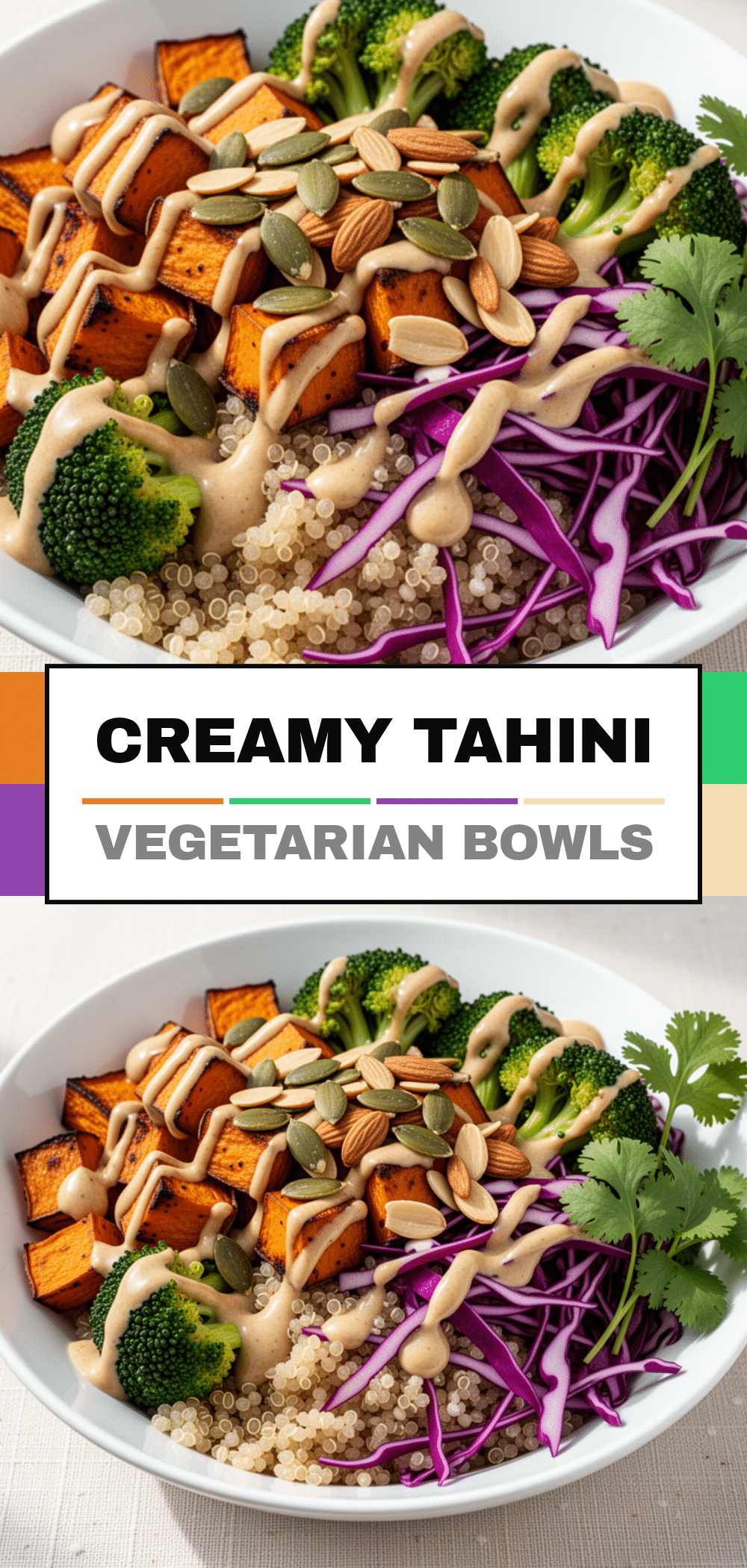
Healthy Vegetarian Buddha Bowls: 5-Ingredient Nutritious Lunch
- Total Time: 30 minutes
- Yield: 4 servings 1x
Description
A quick, nutritious, and customizable vegetarian lunch bowl featuring quinoa, roasted chickpeas, fresh vegetables, and a creamy tahini dressing. It is designed to be meal-prep friendly and keeps you energized for hours.
Ingredients
- 1 cup dry quinoa (180g)
- 2 cups water or low-sodium vegetable broth (480ml)
- 1 can (15oz / 425g) chickpeas, drained and rinsed
- 1 large ripe avocado (about 150g)
- 1 medium English cucumber (about 200g)
- 1 medium red bell pepper (about 150g)
- 1 bunch kale, stems removed (about 4 cups packed)
- 3 tablespoons tahini (45ml)
- 2 tablespoons fresh lemon juice (30ml)
- 1 tablespoon maple syrup (15ml)
- 1 clove garlic, minced
- Salt and black pepper to taste
- Olive oil (for massaging kale and optional roasting chickpeas)
- Warm water (for thinning dressing)
Instructions
- Rinse 1 cup of quinoa thoroughly under cold water. In a saucepan, combine quinoa with 2 cups of water or vegetable broth. Bring to a boil, reduce heat to low, cover, and simmer for 15 minutes. Remove from heat and let sit covered for 5 minutes, then fluff with a fork. Set aside to cool slightly.
- Drain and rinse chickpeas. Pat dry. For best texture, toss with olive oil, salt, and cumin, then roast at 400°F (200°C) for 20 minutes until crispy. Alternatively, use straight from the can for speed.
- Remove tough stems from kale and chop leaves into bite-sized pieces. Place in a large bowl, drizzle with 1 tablespoon olive oil and a pinch of salt. Massage with hands for 2-3 minutes until dark green and tender.
- In a small bowl, whisk together 3 tablespoons tahini, 2 tablespoons lemon juice, 1 tablespoon maple syrup, 1 minced garlic clove, and 2-3 tablespoons warm water. Whisk until smooth and creamy. Season with salt and pepper.
- Dice the red bell pepper and cucumber. Slice the avocado just before assembling to prevent browning.
- Assemble the bowl: Start with a base of warm quinoa. Add chickpeas, then arrange kale, bell pepper, and cucumber around the edges. Top with sliced avocado. Drizzle generously with tahini dressing. Add optional toppings like pumpkin seeds or fresh herbs.
Notes
Massage the kale thoroughly to break down fibers. Roasting chickpeas adds significant texture. Store components separately in the fridge for up to 5 days. Do not freeze this dish as vegetables become mushy. Slice avocado just before eating to prevent browning.
- Prep Time: 15 minutes
- Cook Time: 15 minutes
- Category: Main Course
- Cuisine: American
Nutrition
- Serving Size: 1 bowl
- Calories: 450
- Sugar: 8
- Sodium: 320
- Fat: 18
- Saturated Fat: 3
- Carbohydrates: 55
- Fiber: 12
- Protein: 18
Keywords: vegetarian, buddha bowl, healthy lunch, meal prep, quinoa, chickpeas, tahini dressing, gluten-free, vegan, nutritious


