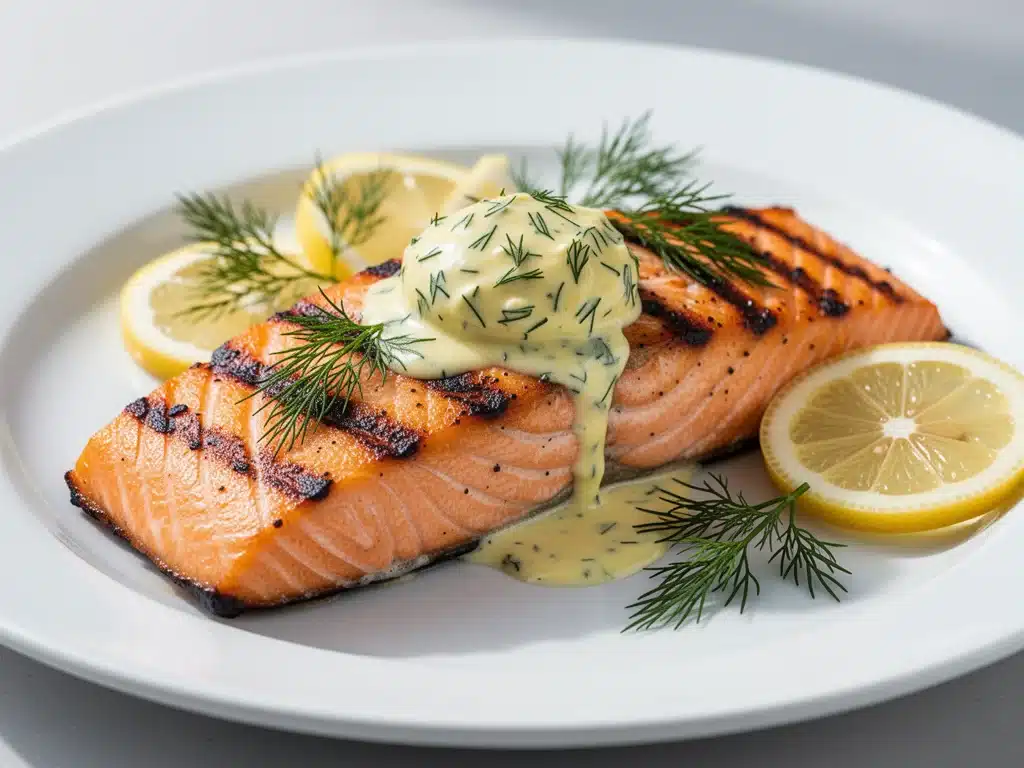
Last July, I stood over a charcoal grill in my backyard, sweating through my shirt, holding a pair of tongs like they were live snakes. I was trying to cook four salmon fillets for a dinner party that started in twenty minutes. I had panicked. I’d forgotten to buy basting brush. I was terrified the fish would stick, fall apart, and look like a mess on the plate. So, I did the only thing I could think of: I threw a stick of butter, some lemon zest, and a handful of dill into a foil packet and set it right on the grill grate next to the fish. The butter melted, the lemon steamed, the dill perfumed the air. When I finally flipped the salmon, it was flaky, golden, and dripping with that incredible citrusy herbal butter sauce.
That accident became the best grilled salmon recipe I’ve ever made. It’s not just because it’s easy (though it really is). It’s because that lemon dill butter transforms a simple piece of fish into something that tastes like it came from a high-end seafood shack, not a backyard BBQ. This Grilled Salmon with Lemon Dill Butter has saved me more times than I can count. It’s my go-to when I want to impress guests without spending hours in the kitchen, and it’s my comfort food when I just need something healthy, fresh, and delicious for a Tuesday night.
I’ve tested this method on gas grills, charcoal grills, and even indoors on a cast-iron skillet when the weather turned against me. The technique remains the same: high heat, quick cook, and that buttery sauce that pools around the fish. If you’re worried about grilling fish, this recipe is your safety net. The butter basting keeps the salmon moist, and the lemon cuts through the richness so it never feels heavy. It’s the perfect summer dinner—light enough for hot days, but satisfying enough to keep everyone happy.
Why You’ll Love This Grilled Salmon
There are a dozen reasons I keep coming back to this Grilled Salmon with Lemon Dill Butter, but let’s be real—you’re probably here because you want dinner that works. Here’s why this recipe earns its spot in your rotation.
Stupid Simple Prep — Seriously, if you can melt butter and squeeze a lemon, you can make this. The marinade is literally just whisked ingredients. I’ve had my teenagers make this for me while I was folding laundry. There’s no complex technique, no fancy tools, just good food.
Ready in 15 Minutes — From preheating the grill to plating the fish, this is a 15-minute meal. The salmon cooks fast—usually 4-5 minutes per side. This is crucial for weeknights when you’re racing the clock. I make this on nights when I get home at 6:30 and everyone is starving.
Moisture Guarantee — One of the biggest fears people have with grilled salmon is dry, rubbery fish. The lemon dill butter baste solves this completely. The fat from the butter keeps the delicate flesh juicy, while the acid from the lemon prevents it from feeling greasy. I’ve never had a dry fillet using this method.
Make-Ahead Friendly — You can mix the butter sauce up to two days in advance and keep it in the fridge. It solidifies, which makes it easy to scoop onto the fish right before grilling. This is a lifesaver for meal prep or when you have guests coming over and want to relax beforehand.
Healthy and Light — Salmon is packed with omega-3s and protein, and this preparation doesn’t drown it in heavy sauces. It’s vibrant, fresh, and feels virtuous. My nutritionist friend loves this because it’s balanced without being boring.
Crowd-Pleaser — I’ve served this to picky eaters, seafood snobs, and people who “don’t like fish.” Everyone loves it. The lemon and dill are universally liked flavors, and the buttery finish makes it irresistible.
This is my answer to “what’s for dinner” when I want something that feels special but doesn’t require a chef’s degree. It’s reliable, delicious, and makes your kitchen smell amazing.
Ingredients You’ll Need
Here’s the best part: you probably have most of this already. This Grilled Salmon with Lemon Dill Butter relies on fresh, high-quality ingredients because there’s nowhere to hide bad flavors. Here’s exactly what you need and why I’m particular about each one.
SALMON FILLETS (4 pieces, about 6oz each / 1.5 lbs total) — Look for wild-caught Alaskan or sockeye if you can find it. It has a firmer texture and brighter color than farmed Atlantic, which holds up better on the grill. If you buy farmed, that’s fine too—just make sure it’s fresh. The fillets should be uniform in thickness so they cook evenly. Ask your fishmonger to trim any large belly pieces.
BUTTER (½ cup / 115g) — Unsalted butter is key here because you control the salt level. I use high-quality European-style butter if I’m feeling fancy, but regular unsalted salted butter works perfectly. Keep it cold until you’re ready to use it, as it helps with the melting process on the grill.
LEMONS (2 medium) — You’ll need juice and zest. Use fresh lemons, never bottled juice. The zest contains the essential oils that give the sauce its bright aroma. I recommend Meyer lemons if you can find them—they’re sweeter and less acidic, which balances the butter beautifully. Regular lemons work great too; just add a pinch more sugar if they’re super tart.
FRESH DILL (¼ cup / 15g) — Fresh dill is non-negotiable. Dried dill has a different, earthier flavor that doesn’t pair as well with the bright lemon. Look for bunches with vibrant green leaves, not yellowing ones. If you absolutely must use dried, use 1 tablespoon, but fresh is worth the trip to the store.
GARLIC (3 cloves, minced / about 1 tablespoon) — Fresh garlic adds depth. Minced finely so it doesn’t burn on the grill. I use a microplane to grate it, which makes it almost a paste, ensuring even distribution.
OLIVE OIL (2 tablespoons) — Extra virgin olive oil for the marinade. It helps conduct heat and prevents sticking. Use a good quality one, as you’ll taste it.
SALT AND PEPPER — Kosher salt and freshly cracked black pepper. I use Diamond Crystal kosher salt because it’s easier to control. If you use table salt, use half the amount.
HONEY (1 tablespoon) — Optional, but I always add it. It balances the acidity of the lemon and helps the butter caramelize slightly on the grill. If you’re avoiding sugar, you can skip it, but the flavor profile is less rounded.
RED PEPPER FLAKES (½ teaspoon) — Just a pinch. It adds a subtle warmth that complements the lemon without making it spicy. Great for balancing the richness.
Lemon Wedges (for serving) — Extra lemon on the side for anyone who wants more acidity.
Pro Tip: I buy a bag of fresh dill from the grocery store and freeze it. It doesn’t stay green, but the flavor remains strong, and I always have it on hand. For the best results, though, fresh is always superior.
Equipment Needed
You don’t need fancy equipment for this. Here’s what I actually use and why.
Grill — Gas or charcoal both work. I prefer charcoal for the smoky flavor, but gas is more convenient. Just make sure your grill grates are clean. A dirty grill means stuck fish.
Grill Brush — Essential for cleaning the grates before cooking. I use a brass brush for stainless steel grates. Clean grates prevent sticking, which is half the battle with fish.
Small Saucepan or Microwave-Safe Bowl — For melting the butter. I use a small saucepan on the stove because it gives me more control over the heat. Microwave works if you’re in a rush, but stir frequently to avoid burning.
Whisk — To emulsify the lemon juice and butter. A small whisk is perfect. You want the mixture to be smooth, not separated.
Pastry Brush or Basting Spoon — For applying the sauce. I use a silicone basting brush because it’s easy to clean. A spoon works too, but a brush lets you get the sauce under the fillets.
Tongs — Long-handled tongs for flipping the salmon. Fish is delicate, so tongs give you more control than a spatula.
Instant-Read Thermometer — Highly recommended. Salmon is done at 145°F (63°C), but I pull it at 135°F (57°C) because it will continue to cook (carryover cooking) while resting. This prevents overcooking.
Aluminum Foil — Optional, but helpful. I sometimes create a foil packet for the sauce to keep it warm and prevent splatters.
Cutting Board — For prepping the lemon and garlic. Use a separate board for raw fish to avoid cross-contamination.
Sharp Knife — For mincing garlic and zesting lemon. A dull knife is dangerous and ineffective.
Plate — For resting the salmon after grilling. Cover loosely with foil to keep warm.
How to Make It: Step-by-Step
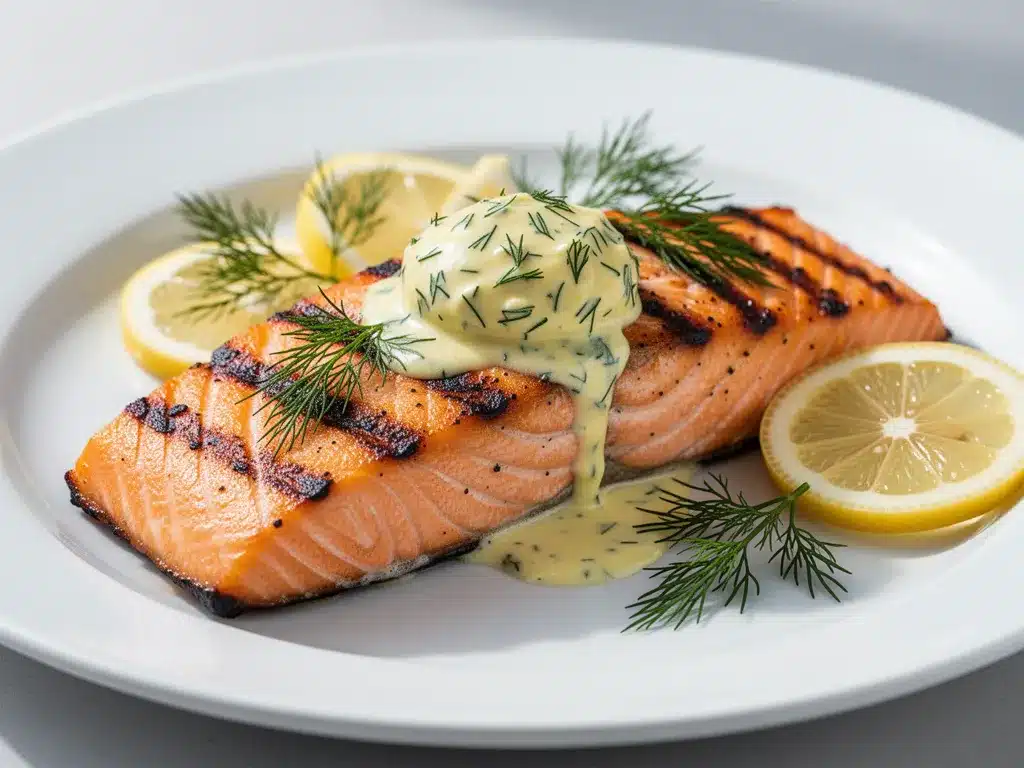
Alright, let’s make this! I’m walking you through exactly how I do it, including the little tricks I’ve picked up over the years. This Grilled Salmon with Lemon Dill Butter is all about timing and temperature.
Step 1: Prep Your Salmon (5 minutes)
Pat the salmon fillets dry with paper towels. This seems minor, but dry fish sears better and sticks less. Season both sides generously with salt and pepper. If your fillets have skin, leave it on—it protects the flesh from the direct heat and makes flipping easier. Set them on a plate and cover loosely with plastic wrap while you prep the sauce.
Step 2: Make the Lemon Dill Butter Sauce (5 minutes)
In a small saucepan over low heat, melt the butter. Do not let it brown or burn. Once melted, remove from heat. Whisk in the minced garlic, lemon zest, lemon juice, honey, red pepper flakes, and chopped fresh dill. The mixture should be fragrant and slightly emulsified. If it looks separated, that’s okay; it will recombine on the fish. Taste it—it should be bright, buttery, and tangy. Adjust salt if needed.
Step 3: Preheat and Oil the Grill (10 minutes)
Preheat your grill to medium-high heat (about 400-450°F). You want it hot enough to sear the fish but not so hot that it burns the butter sauce. Once hot, clean the grates thoroughly with a grill brush. Then, dip a folded paper towel in olive oil, hold it with tongs, and rub it across the grates. This creates a non-stick surface. This step is crucial. Do not skip it.
Step 4: Grill the Salmon (8-10 minutes)
Place the salmon fillets on the grill, skin-side down (if skin-on) or presentation-side down. Close the lid. Cook for 4-5 minutes without moving them. You’ll see the sides of the fish start to turn opaque. This is your cue. Do not try to flip it yet if it resists. It should release naturally when it’s ready.
Step 5: Baste and Flip (4-5 minutes)
Once the salmon releases easily, use tongs to flip it. Immediately baste the top with half of the lemon dill butter sauce. Close the lid and cook for another 3-4 minutes. Baste again halfway through. The salmon is done when it flakes easily with a fork and reaches an internal temperature of 135-145°F. Remember, it will continue to cook off the heat.
Step 6: Rest and Serve (5 minutes)
Remove the salmon from the grill and transfer to a serving platter. Pour any remaining sauce from the pan over the top. Let it rest for 2-3 minutes. This allows the juices to redistribute. Serve immediately with lemon wedges and extra fresh dill. The sauce should be bubbling and fragrant.
Total Time: About 20 minutes (5 minutes prep, 15 minutes cooking)
Troubleshooting:
- Fish sticking? Your grill wasn’t hot enough or wasn’t oiled enough. Next time, wait longer before flipping.
- Sauce burning? Heat was too high. Keep the saucepan off direct flame or use a lower heat setting on the grill.
- Fish overcooked? You left it on too long. Pull it at 135°F. It’s better to slightly undercook than overcook.
Expert Tips & Tricks
Here’s everything I’ve learned from making this dozens of times. These tips will save you from my mistakes.
Don’t Overcrowd the Grill — Give each fillet space. If you crowd them, the temperature drops, and the fish steams instead of grilling. Cook in batches if necessary. Better to cook two at a time than four at once.
Keep the Sauce Warm — Butter sauce solidifies quickly. Keep the saucepan on low heat or in a warm spot on the grill. I sometimes put the sauce in a small heatproof bowl set over a pot of simmering water (double boiler) to keep it liquid.
Use a Thermometer — I cannot stress this enough. Visual cues are good, but a thermometer is reliable. Salmon goes from perfect to dry in seconds. Check it early.
Fresh Dill Only — Dried dill has a different flavor profile. Fresh dill adds a grassy, citrusy note that pairs perfectly with lemon. If you can’t find fresh, use parsley, but it won’t be the same.
Zest Before You Juice — Always zest your lemons before juicing them. It’s easier, and you won’t get bitter white pith in your juice.
Rest the Fish — Letting the salmon rest for 2-3 minutes after grilling ensures it stays juicy. Cutting into it immediately releases the juices onto the plate.
Pro Trick: Foil Packet — If you’re worried about the sauce dripping through the grates, put the sauce in a small foil packet and place it on the grill to keep warm. It’s a neat hack.
Variations & Substitutions
Once you’ve nailed the basic version, here’s how you can mix it up. I’ve tried all of these.
Asparagus Side — Toss asparagus spears with olive oil, salt, and pepper, and grill them alongside the salmon for the last 5 minutes. It’s a complete meal.
Herb Swap — No dill? Use fresh parsley or cilantro. Parsley is more neutral, cilantro adds a different flair. Both work well with lemon.
Spicy Kick — Add a dash of cayenne pepper or use hot sauce in the butter. Great for those who like heat.
Gluten-Free — This recipe is naturally gluten-free. Just check your butter and lemon juice for additives.
Dairy-Free — Substitute butter with olive oil or coconut oil. The flavor will be different, but still delicious. Olive oil pairs well with lemon and dill.
Other Fish — This method works for trout, mahi-mahi, or even chicken breasts. Adjust cooking time accordingly.
Serving & Storage
How to Serve: I usually serve this with grilled asparagus, quinoa, or a simple arugula salad. The salmon is the star, so keep sides simple. Garlic bread is optional but recommended if you want carbs.
Storage: Store leftovers in an airtight container in the fridge for up to 3 days. The salmon will firm up as it cools.
Reheating: Reheat gently in a skillet over low heat with a splash of water or lemon juice. Do not microwave, as it will dry out the fish. Or, eat it cold in a salad.
Freezing: Freezing salmon is not recommended. The texture changes, and it becomes mushy. Cook fresh whenever possible.
Nutrition Information
I’m not a nutritionist, but here’s the breakdown if you’re tracking. Per serving (based on 4 servings):
- Calories: 380
- Protein: 34g
- Carbs: 4g
- Fat: 24g
- Saturated Fat: 12g
- Cholesterol: 105mg
- Sodium: 320mg
Salmon is rich in omega-3 fatty acids, which are great for heart health. The lemon and dill add vitamins and antioxidants. It’s a nutrient-dense meal.
Final Thoughts
So that’s my go-to Grilled Salmon with Lemon Dill Butter! It’s simple, elegant, and delicious. It’s the kind of recipe that makes you feel like a good cook without any stress. I hope you try it and love it as much as I do. Make it yours! Add more garlic, less lemon, or extra dill. The best recipes are the ones you adapt to your tastes.
If you make this, drop a comment and let me know what you think! I love hearing how recipes turn out in your kitchen. And if something doesn’t work, tell me that too—I’m here to help troubleshoot.
Happy cooking! And I hope your grill smells half as good as mine does right now.
Frequently Asked Questions
Can I use frozen salmon?
You can, but it must be thawed completely before grilling. Pat it very dry to remove excess moisture. Frozen salmon often has more water content, which can lead to steaming instead of grilling. Fresh is always better, but frozen works in a pinch.
Why did my salmon stick to the grill?
This usually happens if the grill wasn’t hot enough or wasn’t oiled properly. Always preheat, clean, and oil the grates. Also, don’t try to flip the fish too early. It will release naturally when it’s ready.
Can I make the sauce ahead of time?
Yes! Mix the sauce up to 2 days in advance and store it in the fridge. It will solidify. Just warm it gently before using. This is a great time-saver for dinner parties.
What side dishes go with grilled salmon?
I love grilled asparagus, roasted potatoes, quinoa salad, or a simple green salad. Anything fresh and light complements the rich fish well.
How do I know when salmon is done?
Use a thermometer. Pull it at 135°F (57°C). It should flake easily with a fork. If it’s still translucent in the center, it needs more time.
Can I use fresh lemon juice instead of bottled?
Always use fresh lemon juice. Bottled juice has preservatives and a different flavor. Fresh is brighter and more aromatic, which makes a huge difference in this sauce.
Is this recipe healthy?
Yes! Salmon is a lean protein rich in omega-3s. The butter adds fat, but it’s mostly saturated fat, so enjoy in moderation. The lemon and dill add flavor without calories. It’s a balanced, nutritious meal.
Pin This Recipe!
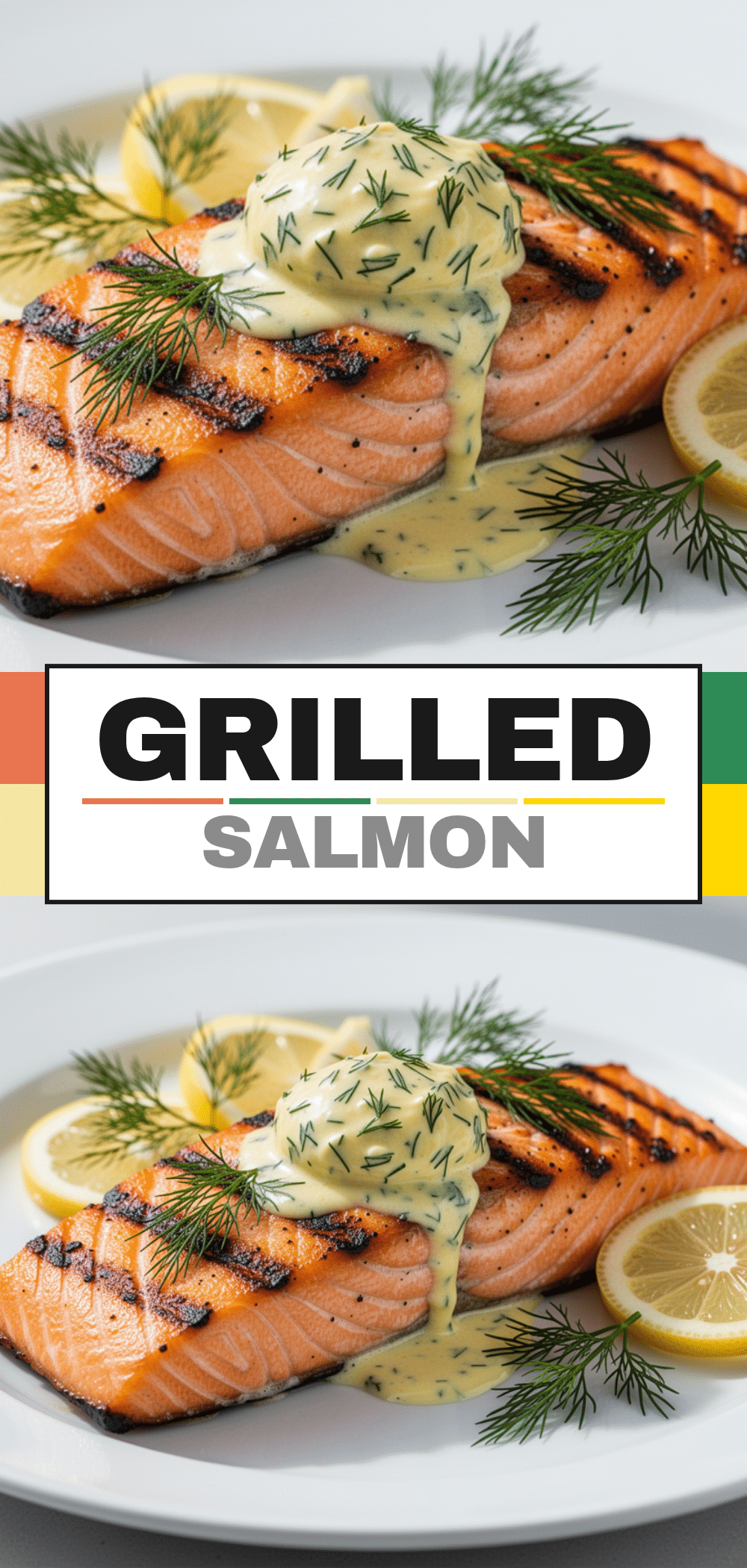
Grilled Salmon with Lemon Dill Butter
- Total Time: 20 minutes
- Yield: 4 servings 1x
Description
A quick and easy summer dinner featuring salmon fillets grilled with a bright, herbaceous lemon dill butter sauce. This recipe ensures moist, flavorful fish in under 20 minutes.
Ingredients
- 4 salmon fillets (about 6oz each / 1.5 lbs total)
- 1/2 cup (115g) unsalted butter
- 2 medium lemons (juice and zest)
- 1/4 cup (15g) fresh dill, chopped
- 3 cloves garlic, minced
- 2 tablespoons extra virgin olive oil
- Kosher salt and freshly cracked black pepper
- 1 tablespoon honey
- 1/2 teaspoon red pepper flakes
- Lemon wedges for serving
Instructions
- Pat salmon fillets dry with paper towels and season both sides generously with salt and pepper.
- In a small saucepan over low heat, melt the butter without browning. Remove from heat.
- Whisk in minced garlic, lemon zest, lemon juice, honey, red pepper flakes, and chopped fresh dill until emulsified.
- Preheat grill to medium-high heat (400-450°F). Clean grates with a brush, then oil them using a paper towel dipped in olive oil held with tongs.
- Place salmon on the grill, skin-side down. Cook for 4-5 minutes without moving until the fish releases naturally.
- Flip the salmon and immediately baste the top with half of the lemon dill butter sauce.
- Cook for another 3-4 minutes, basting again halfway through, until internal temperature reaches 135-145°F.
- Remove from grill and let rest for 2-3 minutes. Serve with remaining sauce and lemon wedges.
Notes
For best results, use fresh dill and fresh lemon juice. If the sauce separates, it will recombine on the fish. Salmon continues to cook after removal from heat, so pull it at 135°F. You can make the sauce up to two days in advance and refrigerate; it will solidify and can be gently warmed before use.
- Prep Time: 5 minutes
- Cook Time: 15 minutes
- Category: Main Course
- Cuisine: American
Nutrition
- Serving Size: 1 fillet with sauce
- Calories: 380
- Sugar: 2
- Sodium: 320
- Fat: 24
- Saturated Fat: 12
- Carbohydrates: 4
- Protein: 34
Keywords: grilled salmon, lemon dill butter, summer dinner, healthy seafood, quick meals, gluten-free, omega-3


