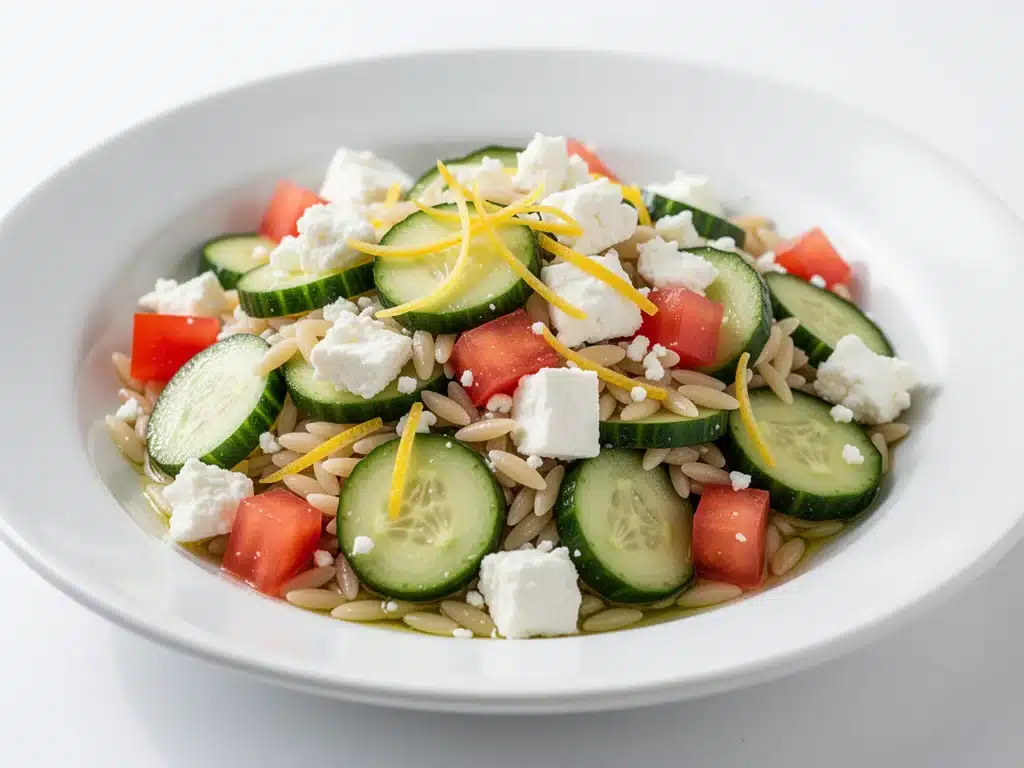
Last July, I was standing in a sweltering kitchen trying to figure out what to pack for a neighborhood picnic. It was 95 degrees, the grill was smoking, and I had absolutely zero appetite for anything hot. I stared into my pantry, hoping a miracle would appear, and found a bag of orzo, some feta cheese, and a handful of wilted herbs. I threw it together on a whim, expecting a mediocre side dish. Instead, my neighbor stopped mid-conversation to ask for the recipe. That was the moment I realized that orzo isn’t just a weird rice-shaped pasta—it’s the secret weapon for summer lunches.
Orzo pasta salad has become my go-to when I need something that’s light, refreshing, and can sit out in the sun without turning into a mushy mess. Unlike penne or rotini, which can get slippery or lose their dressing, orzo’s small, rice-like shape acts like a little sponge. It soaks up the lemony vinaigrette and holds onto the herbs without getting soggy. I’ve made this salad for potlucks, beach days, and lazy weeknight dinners when I don’t want to turn on the stove. It’s ready in about 15 minutes of active time, and honestly? It tastes better the next day.
I’ve tested this recipe dozens of times, tweaking the ratios of oil to vinegar and experimenting with different cheeses until I found the perfect balance. The result is a salad that’s tangy, herby, and satisfying without being heavy. Whether you’re feeding a crowd or just want a quick lunch for yourself, this orzo pasta salad is the answer. It’s easy, it’s delicious, and it’s the kind of dish that makes people ask, “What is in that?” (Spoiler: It’s mostly lemon, olive oil, and good intentions.)
Why You’ll Love This Orzo Pasta Salad
There are a dozen reasons I keep making this orzo pasta salad, but here are the big ones that keep it in my regular rotation.
Lightning Fast — Seriously, if you can boil water and chop an onion, you can make this. The pasta cooks in 8 minutes, and the rest is assembly. I make this on weeknights when I get home at 6pm and just want to sit down by 7pm.
Perfect for Meal Prep — Unlike green salads that wilt, orzo holds up beautifully in the fridge for up to 4 days. I make a big batch on Sunday and grab it for lunch throughout the week. It actually tastes better on day two as the flavors meld together.
Customizable — This base recipe is a blank canvas. I add cucumbers for crunch, tomatoes for juice, and olives for saltiness. You can swap in any veggies you have. It’s my way of using up whatever is about to go bad in the crisper drawer.
Travel-Friendly — This salad doesn’t need to be kept cold to be safe (though it’s better cold), and it doesn’t leak. I pack it in a Tupperware and throw it in a cooler for picnics. It’s sturdy, portable, and doesn’t get messy.
Budget-Smart — Orzo is cheap, and you can make this salad with ingredients you already have. It feeds 6-8 people for under $15. That’s less than one order of takeout sushi.
This is my go-to when I need lunch to just work. No complicated techniques, no weird ingredients, just reliable, delicious food that makes everyone happy.
Ingredients You’ll Need
Here’s the best part: you probably have most of this already. I’m particular about three ingredients here, and I’ll tell you exactly why.
Orzo Pasta (12 ounces / 340g) — This is the star. Look for small, rice-shaped pasta. It cooks faster than long pasta and has a nice bite. I use Barilla or De Cecco—they hold their shape well. Don’t use rice; it gets too sticky.
Extra Virgin Olive Oil (½ cup / 120ml) — Use good quality here. Since there’s no heavy cooking, the oil’s flavor shines through. I keep a bottle of decent extra virgin olive oil just for salads. It makes a huge difference.
Fresh Lemon Juice (¼ cup / 60ml) — About 2-3 lemons. Fresh is non-negotiable. Bottled lemon juice tastes metallic and flat. Squeeze them yourself—it takes 2 minutes.
Feta Cheese (1 cup / 150g, crumbled) — Saltiness and creaminess. I buy a block and crumble it myself. Pre-crumbled feta is dusty and dry. Look for sheep’s milk feta if you can find it—it’s tangier and better.
Red Onion (½ medium, finely diced / about 75g) — Adds a sharp bite. If you’re sensitive to raw onion, soak the diced onions in cold water for 10 minutes to mellow the flavor. Then drain well.
Cherry Tomatoes (1 pint / 300g, halved) — Sweetness and juice. Use ripe ones. If they’re mealy, the salad will be dry. I buy them when they’re cheap and throw them in.
Cucumber (1 large, peeled and diced / about 200g) — Crunch and freshness. English cucumbers are best because they have fewer seeds and thinner skin. Regular cucumbers work too, just peel them.
Kalamata Olives (½ cup / 75g, pitted and halved) — Salty, briny depth. They’re optional, but I can’t imagine the salad without them. They add that Mediterranean vibe.
Fresh Herbs (½ cup / 15g, chopped) — I use a mix of parsley and dill. Parsley is grassy and fresh; dill is bright and lemony. You can use just one, but both are better.
Garlic (2 cloves, minced / about 1 tablespoon) — Just a hint. Don’t skimp. Fresh only—no jarred garlic in this recipe.
Dried Oregano (1 teaspoon) — Adds an earthy background note. Greek oregano is best if you can find it. It’s stronger than Italian oregano.
Salt and Black Pepper — To taste. I use kosher salt. The feta and olives are salty, so go easy at first.
Equipment Needed
You don’t need fancy equipment for this. Here’s what I actually use.
Medium Saucepan — For boiling the orzo. I use a 3-quart pot. It needs to fit the pasta comfortably with room for water to move.
Large Mixing Bowl — To toss everything together. I prefer a glass or ceramic bowl because it’s easy to clean and doesn’t stain from the tomatoes.
Colander — For draining the pasta. Or just use the lid to drain—I do this when I’m lazy, but a colander is better.
Whisk — For emulsifying the dressing. A small whisk works fine. You want the oil and lemon juice to blend smoothly.
Sharp Knife and Cutting Board — For chopping veggies. Dull knives make you cry more—learned this the hard way with onions.
Measuring Cups and Spoons — Standard stuff. Dollar store versions work fine.
Optional but nice:
- Zester or Microplane — For lemon zest. Adds a burst of aroma.
- Large Tongs — For tossing the salad. Easier than a spoon.
How to Make It: Step-by-Step
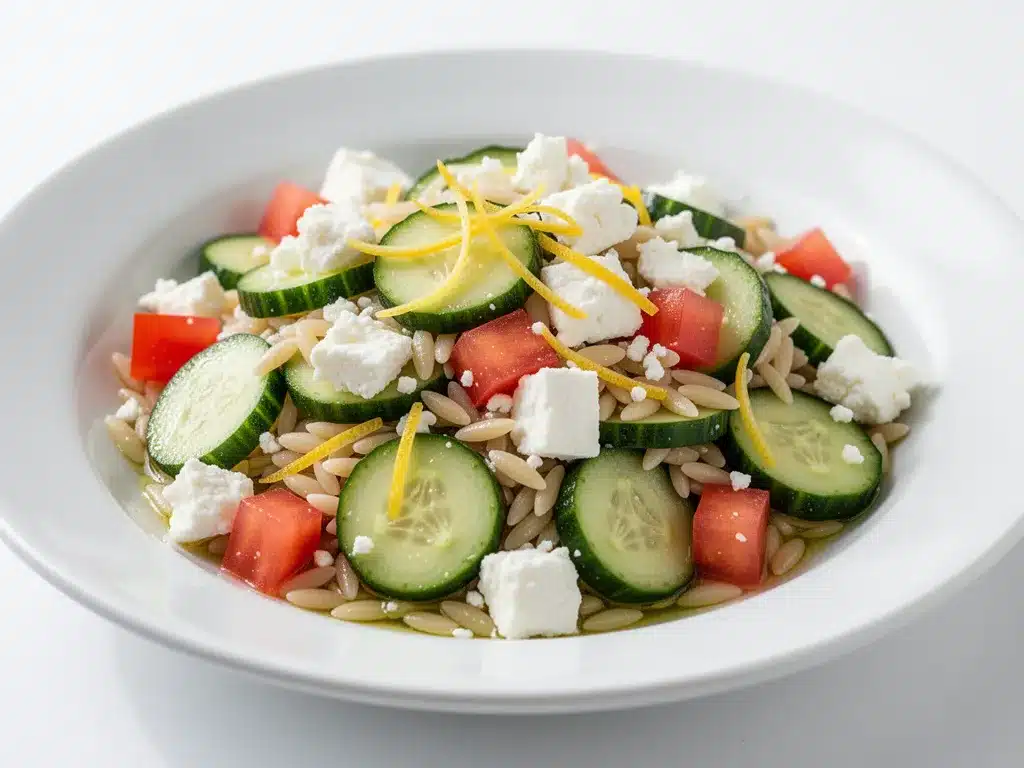
Alright, let’s make this! I’m walking you through exactly how I do it, including the little tricks I’ve picked up.
Step 1: Cook the Orzo (8-10 minutes)
Bring a large pot of salted water to a boil—it should taste like the ocean. Add the orzo and cook according to package directions until al dente (usually 8-10 minutes). IMPORTANT: Before draining, scoop out ½ cup of pasta water and set it aside. This starchy water is magic for the dressing. Drain the pasta and rinse it under cold water to stop the cooking. This is crucial for a cold salad—hot pasta will wilt the veggies.
Step 2: Make the Dressing (2 minutes)
While the pasta cooks, whisk together the olive oil, fresh lemon juice, lemon zest, minced garlic, dried oregano, salt, and pepper in a small bowl. Whisk until it’s emulsified (thickened and combined). If it’s too sharp, add a teaspoon of honey. Taste and adjust. The dressing should be bright and tangy.
Step 3: Prep the Veggies (5 minutes)
While the pasta is cooking, dice the cucumber, halve the tomatoes, dice the red onion, and pit and halve the olives. Chop the fresh herbs. Keep everything in separate piles or bowls until you’re ready to mix. This makes assembly faster.
Step 4: Combine Everything (3 minutes)
In a large mixing bowl, combine the cooled orzo, cucumber, tomatoes, red onion, olives, and herbs. Pour the dressing over the top. Toss gently but thoroughly until everything is coated. The orzo will absorb some of the dressing, so add a splash of the reserved pasta water if it looks dry.
Step 5: Add the Cheese (1 minute)
Stir in the crumbled feta cheese. Be gentle so you don’t break it up too much. The feta will add chunks of creamy saltiness throughout the salad.
Step 6: Chill and Serve
Let the salad sit in the fridge for at least 30 minutes before serving. This allows the flavors to meld. Stir again before serving and add a pinch of salt and pepper if needed. Serve cold or at room temperature.
Total Time: About 20 minutes (8 minutes active cooking, 12 minutes prep and chilling)
Expert Tips & Tricks
Here’s everything I’ve learned from making this dozens of times. These tips will save you from my mistakes.
Rinse the Pasta Cold
This is the #1 tip. Rinsing under cold water stops the cooking and removes excess starch. If you don’t rinse, the orzo will clump together and get mushy. I learned this the hard way with a sticky, unappetizing mess. Now I rinse every time.
Don’t Skip the Rest Time
Orzo pasta salad tastes better after it sits. The pasta absorbs the dressing, and the veggies release their juices into the mix. If you serve it immediately, it tastes disjointed. Let it chill for at least 30 minutes. Overnight is even better.
Use Good Feta
Cheap feta is dry and salty. Good feta is creamy and tangy. Look for blocks of sheep’s milk feta in the cheese section. Crumble it yourself. It’s worth the extra 2 minutes.
Balance the Salt
Feta, olives, and salted pasta water all add salt. Taste before adding more. I usually add salt to the pasta water, but skip extra salt in the dressing until the end. You can always add more, can’t take it away.
Room Temperature Veggies
If you’re serving at room temperature, let the salad sit out for 15 minutes before serving. Cold veggies can taste dull. Bringing them to room temp enhances the flavor.
Variations & Substitutions
Once you’ve nailed the basic version, here’s how you can mix it up. I’ve tried all of these.
Greek Style
Add Kalamata olives, red onion, feta, cucumber, tomatoes, and oregano. This is the classic version I love.
Mediterranean White Bean
Add 1 can of drained cannellini beans. Makes it more filling and protein-packed. Great for lunch.
Chicken Version
Add 2 cups diced cooked chicken (rotisserie works great). Makes it a full meal. I serve this for dinner.
Shrimp Version
Add 1lb cooked shrimp. Toss in at the end. Elegant and light. Perfect for spring.
Veggie-Loaded
Toss in 2 cups fresh spinach and 1 cup halved cherry tomatoes in the last minute. The spinach wilts slightly. This is how I get my kids to eat vegetables.
Lighter Version
Use half the olive oil and add more lemon juice. It’s tangier and lighter. I make this when I’m trying to be “healthy.”
Dairy-Free
Replace feta with vegan feta or nutritional yeast. It’s different but still tasty. My lactose-intolerant friend requests this version.
Gluten-Free
Use gluten-free orzo. Everything else is naturally gluten-free. I’ve used Barilla gluten-free and it works great.
Serving & Storage
How to Serve:
I usually serve this straight from the bowl at the dinner table—it looks rustic and stays fresh. But here are other ways I’ve enjoyed it:
- With Grilled Chicken — A perfect protein pairing.
- With Grilled Shrimp — Light and elegant.
- As a Side — Great with BBQ or grilled veggies.
- As a Main — Add beans or chicken for a full meal.
Storage Instructions:
Store in an airtight container for up to 4 days. The orzo will continue to absorb the dressing, so it may look drier. Just stir in a splash of olive oil or lemon juice before serving. It tastes even better on day two.
Reheating:
Do not reheat this salad. It’s meant to be eaten cold or at room temperature. Heating will wilt the veggies and make the orzo mushy.
Freezing:
Honestly, this doesn’t freeze well because of the veggies. The cucumbers and tomatoes will get watery and soft when thawed. Make it fresh or store in the fridge for up to 4 days.
Nutrition Information
I’m not a nutritionist, but here’s the breakdown if you’re tracking.
Per Serving (based on 6 servings):
- Calories: 280
- Protein: 8g
- Carbs: 35g
- Fiber: 3g
- Sugar: 5g
- Fat: 12g
- Saturated Fat: 4g
- Cholesterol: 15mg
- Sodium: 420mg
- Calcium: 120mg
What’s Good:
- Decent protein from feta and orzo
- Calcium from the cheese
- Can add vegetables to boost nutrition
- More filling than it looks
What to Know:
- Higher in calories from olive oil and cheese
- Contains dairy and gluten
- Moderate sodium (use low-sodium broth to reduce)
My Take:
Look, this is a pasta salad with cheese and oil. It’s not a diet recipe. But it’s way better than takeout, costs less, and I know exactly what’s in it. When I want to make it lighter, I use the half-oil version and load up on vegetables. But usually? I just eat a reasonable portion and enjoy it.
Dietary Notes:
- Contains: gluten, dairy
- Can be made: gluten-free, vegetarian
- Not suitable for: vegan (without modifications), dairy-free (without modifications)
Final Thoughts
So that’s my go-to orzo pasta salad! I’ve probably talked your ear off at this point, but when you make a recipe this often, you have a lot to say about it.
This has saved summer lunches more times than I can count. It’s my answer to “what’s for lunch” when I’m tired, don’t want to cook, and still want something that tastes really good. My kids are happy, my husband’s happy, and I’m happy because I’m not stressed about cooking.
Make it yours! Try different add-ins, swap in your favorite vegetables, adjust the lemon (though more is always better in my opinion). The best recipes are the ones you adapt to your family’s tastes.
If you make this, drop a comment and let me know what you think! I love hearing how recipes turn out in your kitchen. And if something doesn’t work, tell me that too—I’m here to help troubleshoot.
Happy cooking! And I hope your kitchen smells half as good as mine does right now.
Frequently Asked Questions
Can I use a different pasta?
You can, but orzo is best because of its size and shape. Penne or rotini will work, but they won’t hold the dressing as well. Small shells or ditalini are good alternatives. Avoid long pasta like spaghetti or linguine—it’s hard to eat in a salad.
Why did my orzo get mushy?
Usually means you overcooked it or didn’t rinse it. Cook orzo until al dente (firm to the bite), then rinse under cold water immediately. This stops the cooking and removes excess starch. If you don’t rinse, it will clump together.
Can I make this ahead?
Absolutely! This salad tastes better the next day. Make it up to 2 days ahead and store in the fridge. Stir in a splash of olive oil or lemon juice before serving if it looks dry. I make it on Sunday for the week.
Can I freeze this salad?
No, I don’t recommend it. The veggies (especially cucumbers and tomatoes) will get watery and soft when thawed. The orzo will also change texture. Make it fresh or store in the fridge for up to 4 days.
Can I use bottled lemon juice?
You can, but fresh tastes so much better in this recipe. Bottled lemon juice has a metallic taste that really shows up in the dressing. If you must use it, use half the amount because it’s stronger. But honestly, squeezing 2 lemons takes like 2 minutes. Buy pre-squeezed lemons if you want to save time.
How do I store leftovers?
Store in an airtight container in the fridge for up to 4 days. The orzo will absorb the dressing, so it may look dry. Just stir in a splash of olive oil or lemon juice before serving. It tastes even better on day two.
Can I double this recipe?
Yes! Double everything and use a large mixing bowl. The cooking times stay the same. I do this when I’m meal-prepping or feeding a crowd. Just make sure your bowl is big enough for tossing.
Pin This Recipe!
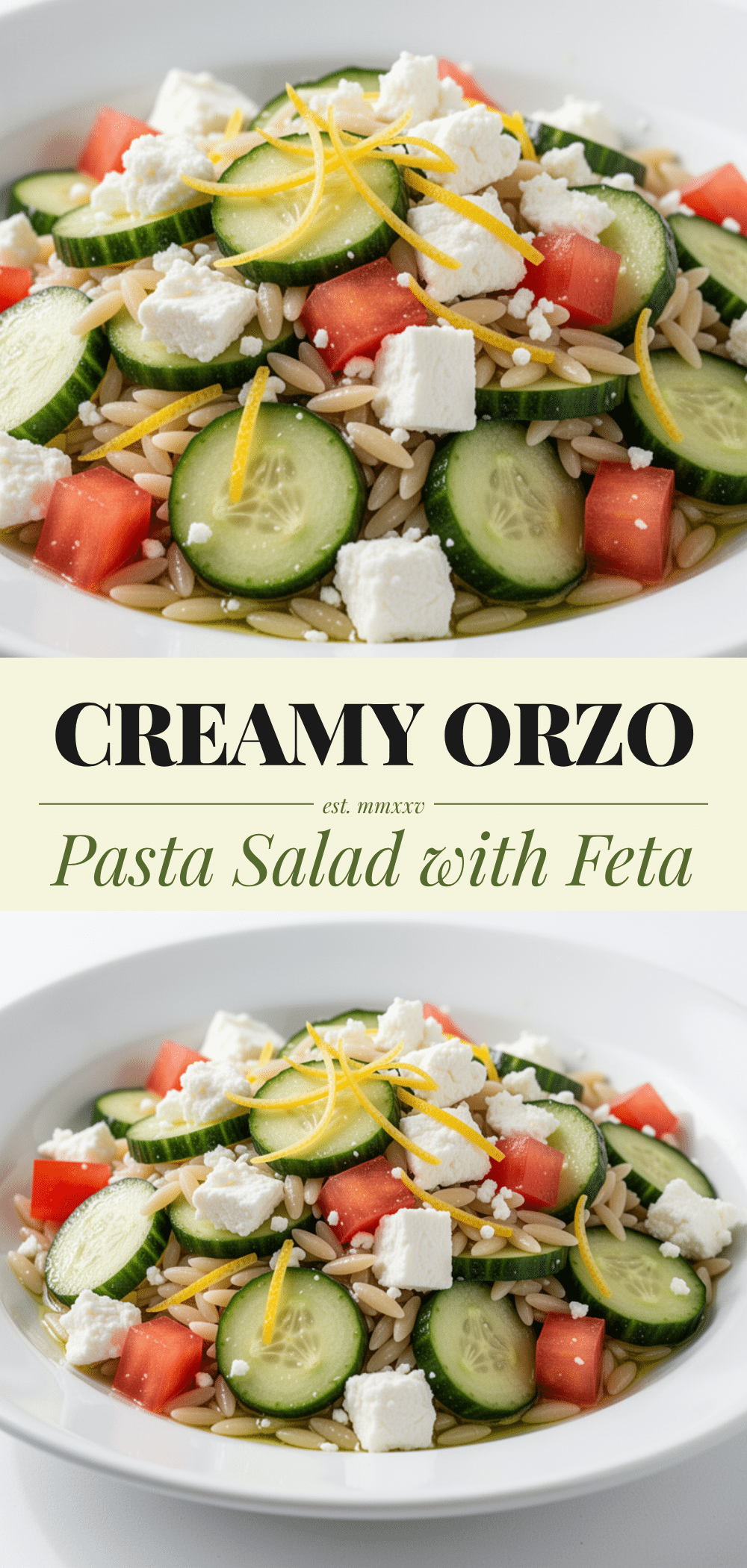
Orzo Pasta Salad: Easy 15-Minute Summer Lunch
- Total Time: 20 minutes
- Yield: 6 servings 1x
Description
A light, refreshing, and customizable orzo pasta salad that is perfect for summer lunches, picnics, and meal prep. It features a tangy lemon-olive oil dressing, feta cheese, and fresh vegetables.
Ingredients
- 12 ounces orzo pasta
- ½ cup extra virgin olive oil
- ¼ cup fresh lemon juice
- 1 cup crumbled feta cheese
- ½ medium red onion, finely diced
- 1 pint cherry tomatoes, halved
- 1 large cucumber, peeled and diced
- ½ cup Kalamata olives, pitted and halved
- ½ cup fresh herbs (parsley and dill), chopped
- 2 cloves garlic, minced
- 1 teaspoon dried oregano
- Salt and black pepper to taste
- Lemon zest (optional)
- Honey (optional, for dressing adjustment)
Instructions
- Bring a large pot of salted water to a boil. Add orzo and cook until al dente (8-10 minutes).
- Before draining, scoop out ½ cup of pasta water and set aside.
- Drain the pasta and rinse under cold water to stop cooking. Set aside to cool.
- In a small bowl, whisk together olive oil, fresh lemon juice, lemon zest (if using), minced garlic, dried oregano, salt, and pepper until emulsified.
- Dice cucumber, halve tomatoes, dice red onion, and pit/halve olives. Chop fresh herbs.
- In a large mixing bowl, combine cooled orzo, cucumber, tomatoes, red onion, olives, and herbs.
- Pour the dressing over the salad and toss gently to coat. Add a splash of reserved pasta water if the salad looks dry.
- Stir in the crumbled feta cheese gently.
- Chill in the refrigerator for at least 30 minutes to allow flavors to meld.
- Stir again before serving and adjust seasoning with salt and pepper if needed. Serve cold or at room temperature.
Notes
Rinsing the pasta under cold water is crucial to prevent it from becoming mushy. The salad tastes better after sitting in the fridge for at least 30 minutes or overnight. Do not freeze this salad as the vegetables will become watery. If using bottled lemon juice, use half the amount as it is stronger, but fresh is recommended.
- Prep Time: 12 minutes
- Cook Time: 8 minutes
- Category: Salad
- Cuisine: Mediterranean
Nutrition
- Serving Size: 1 serving
- Calories: 280
- Sugar: 5
- Sodium: 420
- Fat: 12
- Saturated Fat: 4
- Carbohydrates: 35
- Fiber: 3
- Protein: 8
Keywords: orzo pasta salad, summer lunch, meal prep, easy pasta salad, greek salad, vegetarian lunch, cold pasta salad, feta salad


