It’s 10 a.m. on a lazy Saturday. The house is quiet, the coffee is brewing, and I’m staring into the bread bin like it owes me money. There it sits: a single, sad slice of sourdough that’s been sitting out for three days. It’s dry. It’s hard. It’s the kind of bread that would break a tooth if you tried to eat it plain.
For years, I just threw that bread in the trash. I felt guilty about the waste, sure, but I also didn’t want to spend an hour making something fancy just to use up one slice. Then last month, my partner woke up craving something sweet but heavy. “Can you make French toast?” he asked. I looked at that dry bread, looked at the eggs, and thought, “Why not?”
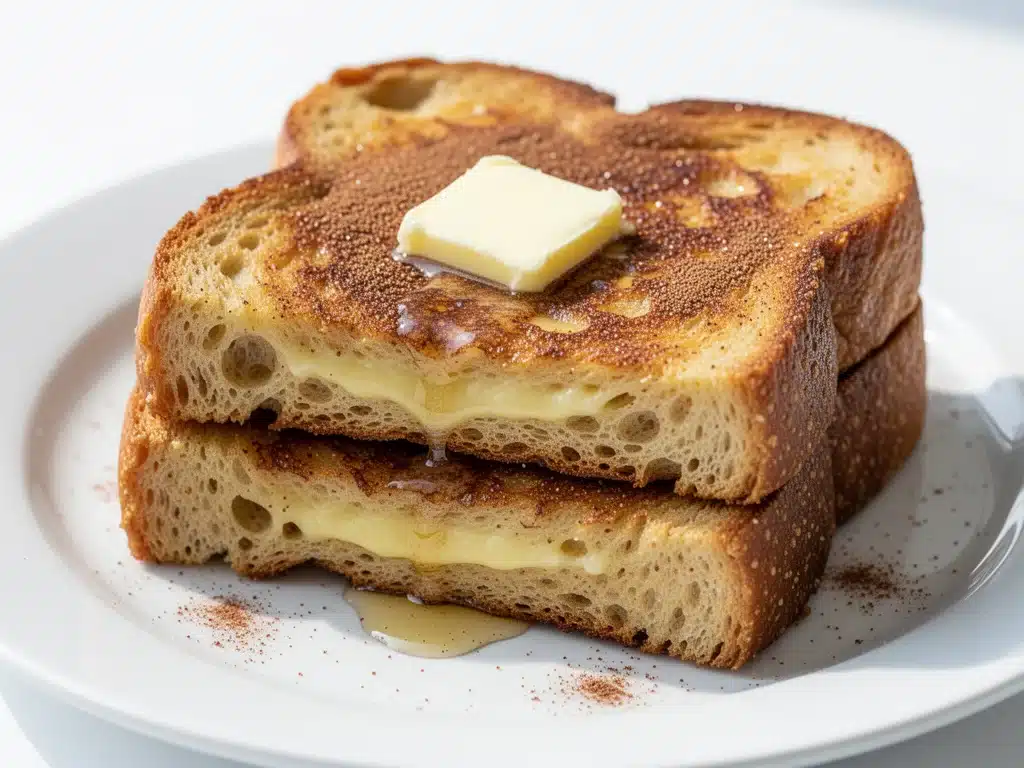
I didn’t have time for fancy brioche or challah. I had stale sourdough. And you know what? It turned out to be the best French toast I’ve ever made. The crust got impossibly crispy, the inside stayed custardy but didn’t get soggy, and that tangy sourdough flavor cut through the sweetness perfectly. I’ve made this Sourdough French Toast with Cinnamon Sugar at least a dozen times since that morning. It’s become our go-to brunch dish, especially when I have leftover bread from the weekend’s bake.
Here’s the thing about sourdough: it’s designed to last. But that same structure that keeps it fresh for days is exactly what makes it superior for French toast. The open crumb absorbs the egg mixture without falling apart, and the fermentation adds a depth of flavor that plain white bread just can’t match. If you’ve been wondering what to do with your stale starter discard or that loaf you forgot to freeze, this is your answer.
Why You’ll Love This Sourdough French Toast Recipe
There are a lot of reasons to make this, but let’s be real—you’re probably here because you have stale bread and you don’t want to waste it. But once you take that first bite, you’ll realize this is so much more than a “use-it-up” recipe. It’s a brunch game-changer.
Zero Waste Brunch — Seriously, this is the ultimate way to rescue bread that’s gone past its prime. The drier the bread, the better it actually is for soaking up the custard. I’ve used bread that was two days old, and it turned out perfect. No more throwing away good bread.
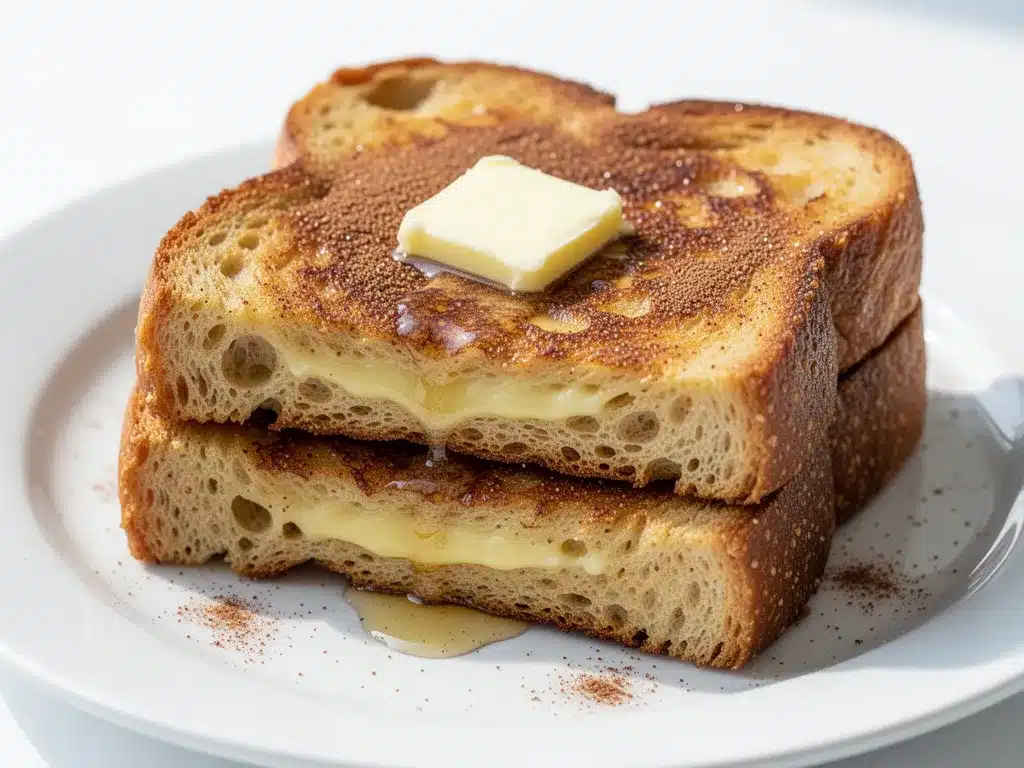
Crispy Outside, Custardy Inside — This isn’t that soggy, mushy French toast you get at diners. The high heat and the butter create a caramelized, crunchy crust, while the inside stays soft and rich. It’s the texture contrast that keeps you coming back.
Ready in 15 Minutes — I know, I know, sourdough takes a long time to make. But this recipe? It’s fast. If you have the bread ready, you can have dinner—or breakfast—on the table in under 15 minutes. It’s perfect for those mornings when you want to sleep in but still eat something decent.
Flavor That Actually Matters — Most French toast is just sweet egg bread. This has a subtle tang from the sourdough that balances the cinnamon sugar. It tastes sophisticated without requiring any fancy ingredients. You’re basically eating a dessert for breakfast, but it feels slightly more responsible.
Customizable Toppings — This base recipe is simple, but it’s a blank canvas. I’ve done maple syrup, fresh berries, whipped cream, even a dusting of powdered sugar. It’s versatile enough for a casual morning or a special occasion.
This is my answer to “what’s for brunch” when I’m feeling lazy but still want to impress. No stress, no complicated techniques, just reliable, delicious food that smells amazing while it cooks.
Ingredients You’ll Need for Sourdough French Toast
Here’s the best part: you probably have most of this already in your kitchen. This isn’t a recipe that requires a special trip to the store. It’s pantry-friendly, simple, and straightforward.
Stale Sourdough Bread (1 inch thick slices, about 6-8 slices) — This is the star. Use day-old bread. If it’s fresh, leave it out overnight to dry out. The dryness is crucial—it prevents the bread from turning into mush. I prefer a loaf with a good crumb structure, but any sourdough works.
Large Eggs (4 large) — Room temperature eggs work best, but cold ones are fine. Don’t use small eggs; the ratio matters. Four eggs for six slices is the sweet spot for richness without being too eggy.
Heavy Cream (½ cup / 120ml) — This is what makes it custardy. You can use milk if you want it lighter, but half-and-half is a good middle ground. Whole milk will work, but the toast won’t be as rich. I use heavy cream because I like it decadent.
Whole Milk (½ cup / 120ml) — I mix cream and milk to get the right balance of richness and fluidity. If you only have milk, that’s fine. If you only have cream, add a little water to thin it out.
Vanilla Extract (1 teaspoon) — Use real vanilla, not the imitation stuff. It makes a noticeable difference in flavor. If you have vanilla bean paste, even better.
Cinnamon (1 teaspoon ground) — Don’t skip this. It’s the classic French toast flavor. If you like it spicier, add a pinch of nutmeg or cardamom.
Granulated Sugar (1 tablespoon) — Just a little bit to sweeten the custard. It’s not a dessert batter, so you don’t need much.
Salt (¼ teaspoon) — Yes, salt. It balances the sweetness and enhances the flavor of the bread. Don’t omit it.
Unsalted Butter (2-3 tablespoons) — For the pan. I use butter because it browns beautifully and adds flavor. You can use oil, but you’ll miss out on that nutty, browned butter taste.
For the Cinnamon Sugar Topping:
Granulated Sugar (2 tablespoons) — Standard white sugar works fine.
Ground Cinnamon (1 teaspoon) — Mix it with the sugar for that classic sprinkling.
Optional Add-ins:
Maple Syrup — For serving. Real maple syrup is worth the extra cost.
Fresh Berries — Strawberries, blueberries, or raspberries add a nice tartness.
Whipped Cream — If you’re feeling fancy.
Pro Tip: If you don’t have stale bread, slice fresh sourdough and leave the slices on a wire rack for an hour or two. Or, pop them in the oven at 200°F for 10 minutes to dry them out.
Equipment Needed
You don’t need fancy equipment for this. Here’s what I actually use.
Large Skillet or Griddle — I use a 12-inch cast iron skillet. It holds heat well and gives that even browning. A non-stick skillet works too, but cast iron is better for crispiness. If you have a griddle, even better—you can cook more slices at once.
Shallow Dish or Bowl — Something wide enough to fit a slice of bread. A pie dish or a shallow casserole dish is perfect. You need enough surface area for the bread to soak up the custard.
Whisk — For mixing the egg mixture. A fork works in a pinch, but a whisk incorporates the ingredients better.
Tongs or Spatula — For flipping the toast. Tongs are easier for handling the heavy, soaked bread.
Small Bowl — For mixing the cinnamon sugar topping.
Wire Rack — Optional, but nice. If you’re cooking in batches, put the finished toast on a rack in a 200°F oven to keep it warm.
How to Make It: Step-by-Step
Alright, let’s make this! I’m walking you through exactly how I do it, including the little tricks I’ve picked up over the years.
Step 1: Prepare the Bread (2 minutes)
If your bread is fresh, dry it out first. Slice your sourdough into 1-inch thick slices. If it’s already stale, you can skip this. Lay the slices out on a wire rack or plate. The drier the bread, the better it will soak up the custard without falling apart.
Step 2: Make the Custard (3 minutes)
In your shallow dish, whisk together the eggs, heavy cream, milk, vanilla extract, cinnamon, sugar, and salt. Whisk until it’s completely smooth and no yellow streaks remain. You want a uniform, pale yellow mixture. Taste it—it should taste like sweet, spiced egg nog. If it’s too sweet, add a pinch more salt. If it’s too bland, add a little more sugar.
Step 3: Soak the Bread (1 minute per slice)
This is the most important step. Dip each slice of bread into the custard. Let it soak for about 30 seconds on each side. You want the bread to be saturated but not falling apart. If the bread is very dry, you can soak it a bit longer, but keep an eye on it. If it’s too soft to handle, you’ve soaked it too long. Lift it out and let the excess drip off for a few seconds.
Step 4: Heat the Pan (2 minutes)
Place your skillet over medium heat. Add 1 tablespoon of butter. Wait for it to melt and foam. When the foam subsides and the butter starts to smell nutty, it’s ready. If the butter burns, your heat is too high. If it just sits there, your heat is too low. You want a gentle, steady sizzle.
Step 5: Cook the Toast (3-4 minutes per side)
Lay the soaked bread in the pan. Don’t crowd the skillet—cook in batches if needed. Cook for 3-4 minutes on the first side, until it’s deep golden brown and crispy. Flip it carefully. Cook for another 3-4 minutes on the second side. The inside should be hot and custardy, and the outside should be crisp. If the outside is browning too fast, lower the heat.
Step 6: Add Cinnamon Sugar (1 minute)
While the toast is cooking, mix the cinnamon and sugar in a small bowl. As soon as you take the toast out of the pan, sprinkle it generously with the cinnamon sugar. The heat from the toast will help the sugar adhere. You can also do this after plating, but I like it while it’s still hot and crispy.
Step 7: Serve Immediately
Serve right away with maple syrup, fresh berries, or a dollop of whipped cream. This is best eaten hot, right off the griddle. The crust will stay crispy for a few minutes, then start to soften. So don’t wait.
Pro Tip: If you’re cooking for a crowd, keep the finished toast warm in a 200°F oven on a wire rack. This prevents the bottoms from getting soggy from steam.
Expert Tips & Tricks
Here’s everything I’ve learned from making this dozens of times. These tips will save you from my mistakes.
Use Day-Old Bread
This is non-negotiable. Fresh bread is too soft and will turn into mush. Stale bread has lost moisture, which means it can absorb more custard without disintegrating. If you forget to dry it out, toast the slices in the oven for 10 minutes at 200°F.
Don’t Skimp on the Butter
Butter adds flavor and helps with browning. Use unsalted butter so you can control the salt. If you run out, use a neutral oil, but you’ll miss out on that rich, toasted taste.
Medium Heat is Key
Too high, and the outside burns before the inside is cooked. Too low, and the toast is greasy. Aim for a steady, moderate sizzle. If you’re unsure, test it with one slice before cooking the whole batch.
Soak, Don’t Drown
You want the bread to absorb the custard, not just sit in it. Dip and flip. If the bread is very thick, you can let it soak a bit longer, but keep it manageable. If it falls apart, you’ve soaked it too long.
Make Your Own Cinnamon Sugar
Store-bought packets are fine, but mixing your own is easy and lets you control the sweetness. I like a 2:1 ratio of sugar to cinnamon. Add a pinch of nutmeg if you want extra warmth.
Common Mistakes (and how to avoid them):
Mistake: Soggy Toast
Fix: Your bread was too fresh, or you soaked it too long. Use day-old bread and dip quickly.
Mistake: Burnt Outside, Raw Inside
Fix: Your heat was too high. Lower it and cook slower. French toast needs patience.
Mistake: Greasy Toast
Fix: Too much butter in the pan, or the heat was too low. Use just enough butter to coat the pan, and keep the heat at medium.
Variations & Substitutions
Once you’ve nailed the basic version, here’s how you can mix it up. I’ve tried all of these.
Berry Burst
Add fresh or frozen berries to the pan while the toast is cooking. Or serve them on top. The tartness cuts through the sweetness perfectly.
Chocolate Chip
Sprinkle mini chocolate chips on the toast before flipping. They’ll melt and create pockets of gooey chocolate. My kids love this version.
Lemon Ricotta
Mix ½ cup ricotta cheese into the custard with the zest of one lemon. It makes the toast even richer and adds a nice tang.
Gluten-Free
Use gluten-free sourdough bread. Make sure it’s not too crumbly, or you might need to soak it for less time. Gluten-free bread can be tricky, so test one slice first.
Dairy-Free
Replace the butter with coconut oil or avocado oil. Use coconut milk instead of heavy cream and milk. It changes the flavor slightly, but it still works.
Vegan
Use flax eggs (1 tablespoon ground flaxseed mixed with 3 tablespoons water per egg) and plant-based milk. The texture won’t be exactly the same, but it’s close.
Different Breads
You can use challah, brioche, or even thick-cut white bread. But sourdough has the best flavor and texture for this recipe.
Serving & Storage
How to Serve:
I usually serve this straight from the skillet at the dinner table. It looks rustic and stays warm. But here are other ways I’ve enjoyed it:
Side Dishes:
– Bacon or sausage (because it’s brunch)
– Fresh fruit salad
– Roasted sweet potatoes
– A simple green salad (yes, really)
Toppings Bar:
When I have guests, I put out: maple syrup, fresh berries, whipped cream, powdered sugar, and chopped nuts. Everyone customizes their plate.
Wine Pairing:
Not a wine expert, but a crisp Pinot Grigio or a sparkling rosé works great with this. It cuts through the richness.
Storage Instructions:
Refrigerator:
Store leftovers in an airtight container for up to 2 days. The toast will lose its crispiness, but it’s still good.
Reheating:
Best method: Reheat in a skillet over medium heat with a little butter. This brings back the crispiness.
Microwave method: Heat for 30-60 seconds. It will be soft, but it’s quick.
Avoid: Oven reheating, which can dry it out.
Freezing:
You can freeze cooked French toast. Let it cool completely, then freeze in a single layer on a baking sheet. Once frozen, transfer to a bag. Reheat in the toaster or oven. It’s not as good as fresh, but it’s convenient.
Nutrition Information
I’m not a nutritionist, but here’s the breakdown if you’re tracking.
Per Serving (based on 2 slices):
| Nutrient | Amount |
|---|---|
| Calories | 450 |
| Protein | 12g |
| Carbs | 55g |
| Fiber | 2g |
| Sugar | 18g |
| Fat | 20g |
| Saturated Fat | 10g |
| Cholesterol | 150mg |
| Sodium | 350mg |
What’s Good:
– Decent protein from eggs and cheese
– Calcium from the dairy
– Can add fruit for vitamins
What to Know:
– Higher in calories from cream and butter
– Contains gluten and dairy
– Moderate sugar content (can reduce by lessening the cinnamon sugar)
My Take:
Look, this is brunch food. It’s meant to be indulgent. It’s not a diet recipe. But it’s way better than takeout, costs less, and I know exactly what’s in it. When I want to make it lighter, I use half-and-half instead of cream and less butter. But usually? I just eat two slices and enjoy it.
Final Thoughts
So that’s my go-to Sourdough French Toast with Cinnamon Sugar! I’ve probably talked your ear off at this point, but when you make a recipe this often, you have a lot to say about it.
This has saved brunch mornings more times than I can count. It’s my answer to “what’s for breakfast” when I’m tired, don’t want to go out, and still want something that tastes really good. My partner is happy, my kids are happy, and I’m happy because I’m not wasting bread.
Make it yours! Try different add-ins, swap in your favorite fruits, adjust the cinnamon (though more is always better in my opinion). The best recipes are the ones you adapt to your family’s tastes.
If you make this, drop a comment and let me know what you think! I love hearing how recipes turn out in your kitchen. And if something doesn’t work, tell me that too—I’m here to help troubleshoot.
Happy cooking! And I hope your kitchen smells half as good as mine does right now.
Frequently Asked Questions
Q: Can I use fresh sourdough bread?
A: You can, but the results won’t be as good. Fresh bread is too soft and will absorb too much custard, becoming mushy. If you must use fresh bread, slice it and leave it out overnight to dry out, or toast it in the oven for 10 minutes at 200°F.
Q: Why did my French toast fall apart?
A: This usually happens if the bread is too old and crumbly, or if you soaked it too long. Make sure your bread is stale but still holds its structure. Dip it quickly—30 seconds per side is enough. If it’s falling apart, use a spatula to handle it gently.
Q: Can I make this ahead for a crowd?
A: Yes! Prep the custard and bread the night before. In the morning, just soak and cook. Or, cook the toast ahead of time and reheat it in a 200°F oven on a wire rack. It won’t be as crispy as fresh, but it’s still delicious.
Q: What kind of sourdough works best?
A: Any sourdough works, but a loaf with a large, open crumb structure absorbs custard better. Thick slices (1 inch) are best. Avoid very dense, tight-crumb loaves, as they won’t soak up the mixture as well.
Q: Can I freeze the leftover toast?
A: Yes, but it’s best eaten fresh. If you need to freeze it, let it cool completely, freeze in a single layer, then transfer to a bag. Reheat in a toaster or oven to restore crispiness. The microwave will make it soft.
Q: Can I use milk instead of cream?
A: You can, but the toast won’t be as rich. Half-and-half is a good middle ground. If you use skim milk, the texture will be lighter and less custardy. I recommend at least whole milk for the best results.
Q: How do I get the perfect golden brown color?
A: Medium heat is key. If the heat is too high, the outside burns before the inside cooks. If it’s too low, the toast is greasy and pale. Test your pan with one slice first. You want a steady, moderate sizzle.
Pin This Recipe!
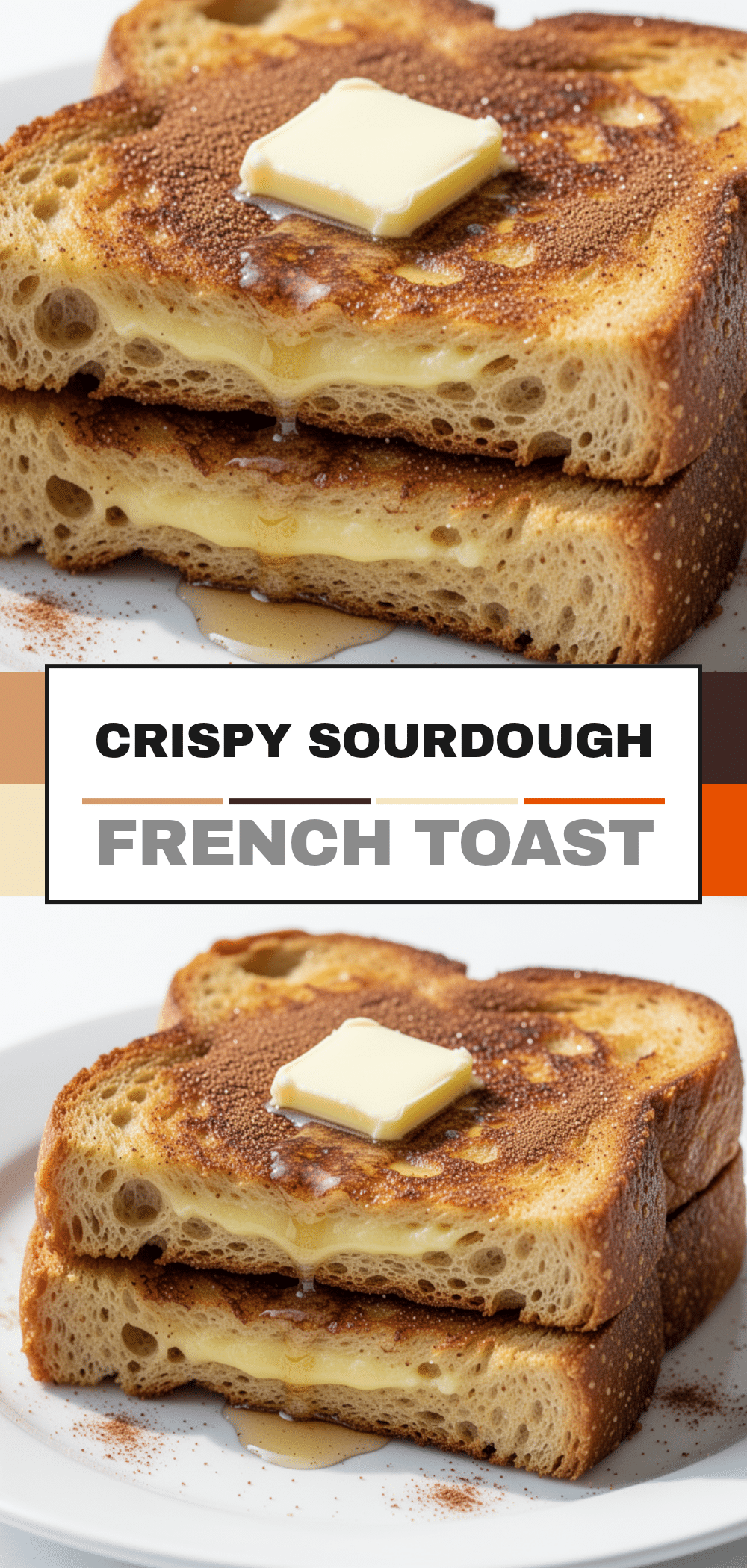

Sourdough French Toast with Cinnamon Sugar
- Total Time: 15 minutes
- Yield: 4 servings 1x
Description
A crispy, custardy brunch dish that rescues stale sourdough bread by soaking it in a rich egg and cream mixture, then pan-frying it to golden perfection and topping it with homemade cinnamon sugar.
Ingredients
- 6–8 slices stale sourdough bread (1 inch thick)
- 4 large eggs
- 1/2 cup heavy cream
- 1/2 cup whole milk
- 1 teaspoon vanilla extract
- 1 teaspoon ground cinnamon
- 1 tablespoon granulated sugar
- 1/4 teaspoon salt
- 2–3 tablespoons unsalted butter
- 2 tablespoons granulated sugar (for topping)
- 1 teaspoon ground cinnamon (for topping)
Instructions
- If using fresh bread, slice it and let it dry out on a wire rack or toast at 200°F for 10 minutes to ensure it is stale.
- In a shallow dish, whisk together eggs, heavy cream, milk, vanilla extract, 1 teaspoon cinnamon, 1 tablespoon sugar, and salt until smooth.
- Dip each slice of bread into the custard mixture, soaking for about 30 seconds per side until saturated but not falling apart. Let excess drip off.
- Heat a large skillet or griddle over medium heat and add 1 tablespoon of butter. Wait until the butter foams and smells nutty.
- Place soaked bread slices in the pan, ensuring they are not crowded. Cook for 3-4 minutes on the first side until deep golden brown and crispy.
- Flip the toast carefully and cook for another 3-4 minutes on the second side until the inside is hot and custardy.
- While cooking, mix the topping sugar and cinnamon in a small bowl.
- Remove toast from the pan and immediately sprinkle generously with the cinnamon sugar mixture.
- Serve immediately with maple syrup, fresh berries, or whipped cream.
Notes
Use day-old or stale bread for best results; fresh bread will become mushy. Do not overcrowd the pan to ensure even browning. If cooking for a crowd, keep finished toast warm in a 200°F oven on a wire rack to maintain crispiness.
- Prep Time: 5 minutes
- Cook Time: 10 minutes
- Category: Breakfast
- Cuisine: American
Nutrition
- Serving Size: 2 slices
- Calories: 450
- Sugar: 18
- Sodium: 350
- Fat: 20
- Saturated Fat: 10
- Carbohydrates: 55
- Fiber: 2
- Protein: 12
Keywords: sourdough french toast, cinnamon sugar, brunch, stale bread recipe, easy breakfast, custardy french toast, zero waste cooking


