It was 2:30 PM on a Tuesday, and I was staring at a sad, wilted bag of spinach in my fridge. I had been meal prepping lunches for work for three months, and honestly, I was bored to tears. Every day was the same thing: quinoa, roasted veggies, maybe some chicken. It was healthy, sure, but it was also kind of… boring. I wanted something with crunch. Something with flavor that woke me up. Something that didn’t taste like it had been sitting in a Tupperware container since Monday morning.
That’s when I decided to try the “chopped” method. You’ve probably seen it on Pinterest—those vibrant, colorful salads where everything is cut into tiny, uniform pieces so every single bite has a little bit of everything. I was skeptical. I thought, “How much difference can cutting veggies into smaller pieces really make?”
Turns out, a massive difference.
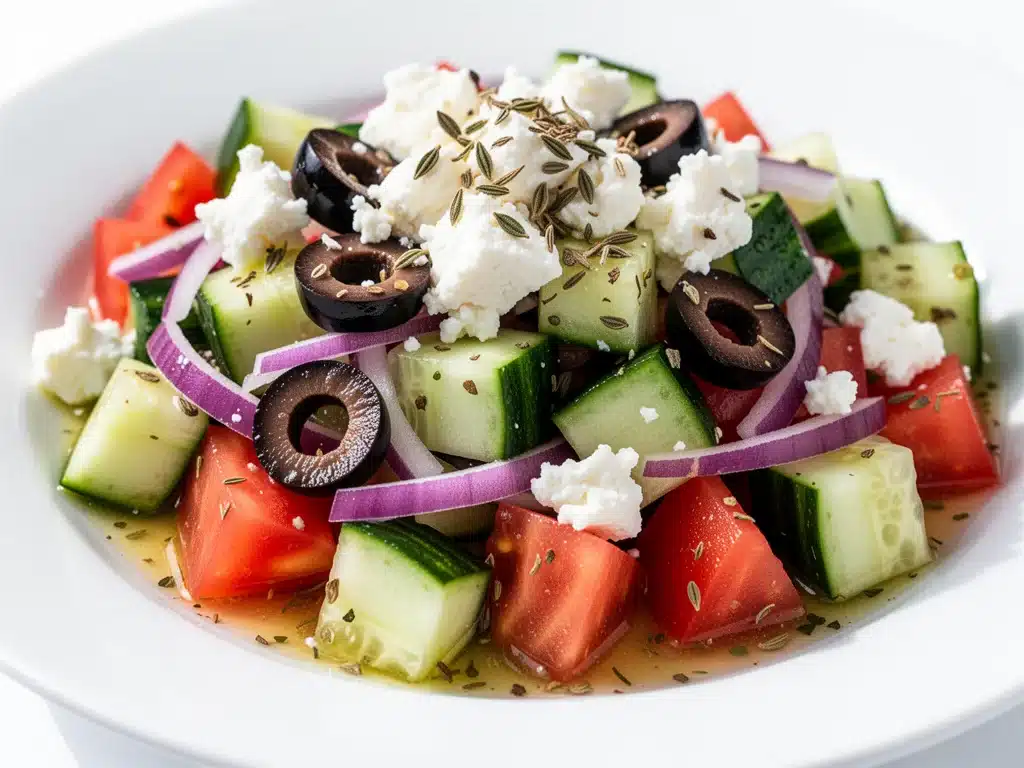
I made a Chopped Greek Salad that afternoon, and for the first time in months, I actually looked forward to lunch. The crunch of the cucumbers, the pop of the olives, the creamy tang of the feta—it was like a flavor explosion in every bite. And because everything was chopped small, the dressing coated every single piece instead of pooling at the bottom of the bowl. I ate it all. In one sitting. Without even thinking about it.
Since then, I’ve made this salad at least twice a week. It’s become my go-to healthy Mediterranean lunch, my quick side dish for summer barbecues, and my secret weapon when I need to feed a crowd without spending hours in the kitchen. It’s fresh, it’s vibrant, and it’s ridiculously easy. Plus, it holds up beautifully in the fridge, which means you can prep it on Sunday and have five days of delicious lunches ready to go.
If you’re tired of boring salads that leave you hungry an hour later, give this chopped Greek salad a try. It’s going to change the way you think about lunch forever.
Why You’ll Love This Chopped Greek Salad
There are about a dozen reasons I keep making this salad, but here are the big ones that will win you over:
- Every Bite Has Flavor — Because everything is chopped small, you get a perfect mix of cucumber, tomato, onion, olive, and feta in every forkful. No more digging to the bottom for the good stuff.
- Ready in 15 Minutes — Seriously. If you can chop veggies, you can make this. I’ve made it on busy weeknights after work, and it’s done before I’ve even taken off my shoes.
- Meal Prep Friendly — This salad actually gets better after sitting in the fridge for a day or two. The flavors meld together, and the veggies stay crisp. It’s perfect for prepping on Sunday for the whole week.
- Customizable — Hate olives? Skip them. Love extra feta? Add more. Want to add grilled chicken or shrimp? Go for it. This recipe is a blank canvas for your favorite flavors.
- Light but Satisfying — It’s low-calorie but high in protein and healthy fats, so it keeps you full for hours. I’ve never felt hungry after eating this for lunch.
- Beautiful on Pinterest — Let’s be real: this salad is gorgeous. The colors are vibrant, the presentation is Instagram-worthy, and it’s perfect for sharing on social media.
This is my answer to “what’s for lunch?” when I want something healthy, delicious, and quick. It’s fresh, it’s flavorful, and it’s easy to make ahead. I hope you love it as much as I do.
Ingredients You’ll Need
Here’s the best part: you probably have most of these ingredients already. This is a pantry-friendly recipe that uses fresh, simple ingredients. I’m particular about a few things here, and I’ll tell you exactly why.
For the Salad
Romaine lettuce (1 head, chopped / about 12 cups) — I use romaine because it’s crisp and holds up well in the fridge. Iceberg works too, but romaine has more flavor. Avoid leafy greens like spinach or arugula—they wilt too quickly.
English cucumber (2 medium, chopped / about 2 cups) — English cucumbers are seedless and less watery than regular cucumbers, so they stay crisp longer. If you can only find regular cucumbers, peel them and scoop out the seeds before chopping.
Cherry tomatoes (1 pint, halved / about 2 cups) — Cherry tomatoes are sweeter and more flavorful than large tomatoes. I love the burst of juice they add to every bite. If you don’t have cherry tomatoes, use 2 large tomatoes, diced small.
Red onion (1 small, finely diced / about ½ cup) — Red onion adds a sharp, pungent flavor that balances the richness of the feta and olives. If you’re sensitive to raw onion, soak the diced onion in cold water for 10 minutes before using to mellow the flavor.
Green olives (½ cup, sliced / about 80g) — I use Kalamata olives for their rich, briny flavor. If you prefer milder olives, use green olives or a mix of both. Pitted olives save time, but slicing them fresh is worth the extra minute.
Feta cheese (1 cup, crumbled / about 120g) — This is the star of the show. I buy a block of feta and crumble it myself—it tastes so much better than pre-crumbled. Look for feta made from sheep’s milk or a sheep/goat milk blend for the creamiest, tangiest flavor.
For the Dressing
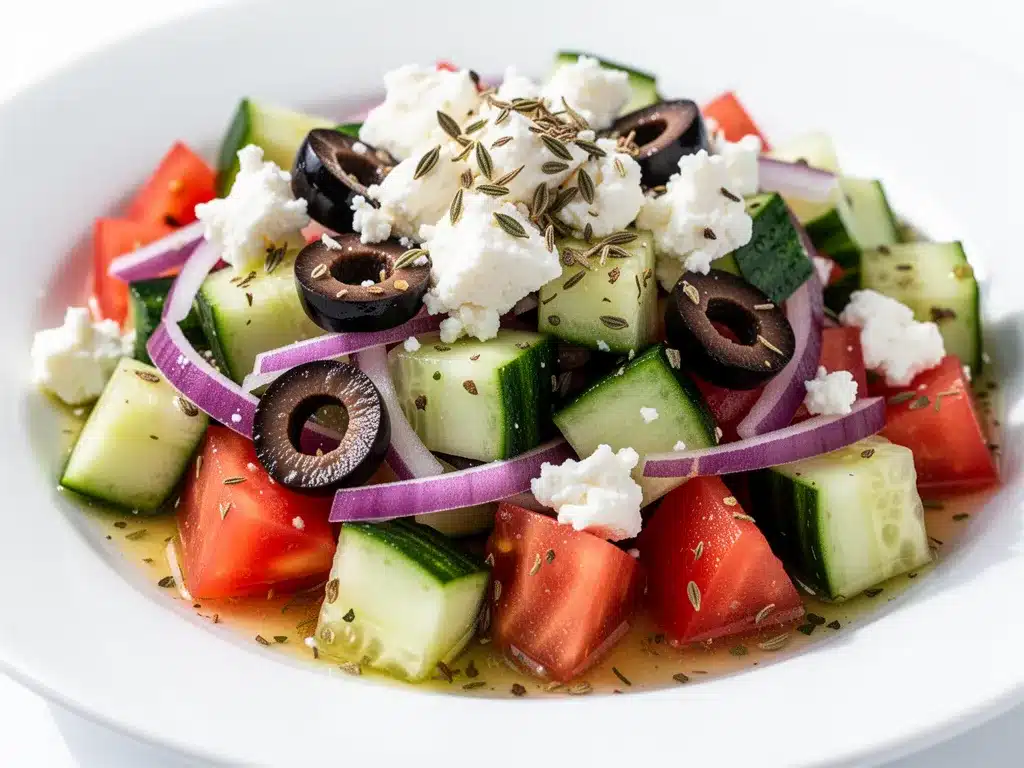
Extra virgin olive oil (¼ cup / 60ml) — Use good quality here—it makes a huge difference in flavor. I keep a bottle of extra virgin olive oil specifically for salads. Don’t skimp on this.
Red wine vinegar (2 tablespoons / 30ml) — Red wine vinegar adds a sharp, tangy flavor that cuts through the richness of the feta and olives. Apple cider vinegar works too, but red wine vinegar is more traditional.
Lemon juice (1 tablespoon / 15ml) — Freshly squeezed lemon juice brightens everything up. Bottled lemon juice doesn’t have the same fresh, vibrant flavor. Squeeze it yourself if you can.
Dried oregano (1 teaspoon) — This is what gives the salad its classic Greek flavor. Use dried oregano, not fresh—dried has a more concentrated flavor that stands up well in the dressing. If you only have fresh, use 3 times the amount.
Garlic (1 clove, minced / about 1 teaspoon) — Fresh garlic adds depth and aroma. Minced garlic from a jar works in a pinch, but fresh tastes so much better. If you’re garlic-averse, skip it or use half the amount.
Salt and black pepper (to taste) — I use kosher salt and freshly ground black pepper. Taste the dressing before adding it to the salad and adjust as needed.
Optional Add-ins
Grilled chicken (1 cup, diced) — Makes it a heartier meal. I love adding grilled chicken on top for extra protein.
Grilled shrimp (1 cup, peeled and deveined) — Another great protein option. Shrimp adds a sweet, briny flavor that pairs well with the Mediterranean flavors.
Roasted red peppers (½ cup, chopped) — Adds sweetness and smokiness. I buy jarred roasted red peppers for convenience, but roasting them yourself is even better.
Chickpeas (1 can, drained and rinsed) — Adds fiber and protein. Chickpeas are a great vegetarian protein option that holds up well in the fridge.
Equipment Needed
You don’t need fancy equipment for this. Here’s what I actually use:
Sharp chef’s knife — For chopping all the veggies. A sharp knife makes chopping easier and safer. I use a 8-inch chef’s knife for everything.
Cutting board — Any size works. I use a large plastic cutting board for easier cleanup.
Large mixing bowl — Something big enough to hold all the veggies and dressing. I use a 6-quart bowl.
Salad spinner — Optional but helpful. If you wash your veggies, a salad spinner removes excess water so the dressing clings better. I don’t always use it, but it’s nice to have.
Measuring cups and spoons — For the dressing. Dollar store versions work fine.
Whisk — For emulsifying the dressing. A small whisk works best. Fork works too.
How to Make It: Step-by-Step
Alright, let’s make this! I’m walking you through exactly how I do it, including the little tricks I’ve picked up.
Step 1: Prep Your Veggies (5-8 minutes)
Before you start chopping, wash and dry all your veggies. I chop everything into small, uniform pieces—about ½-inch chunks. This is what makes the “chopped” salad special. Start with the romaine lettuce, tearing or chopping it into bite-sized pieces. Then chop the cucumber, halve the cherry tomatoes, and finely dice the red onion. The key is to keep everything roughly the same size so every bite is balanced.
Step 2: Make the Dressing (2 minutes)
While you’re chopping, make the dressing. In a small bowl or jar, whisk together the olive oil, red wine vinegar, lemon juice, dried oregano, minced garlic, salt, and black pepper. Whisk until the dressing is emulsified and slightly thickened. Taste and adjust seasoning as needed. If it’s too tangy, add a little more olive oil. If it’s too rich, add a splash more vinegar or lemon juice.
Step 3: Combine the Salad (5 minutes)
In a large mixing bowl, combine the chopped romaine, cucumber, tomatoes, red onion, and olives. Drizzle the dressing over the top and toss gently to coat everything evenly. Be careful not to over-mix—you don’t want to bruise the lettuce. Add the crumbled feta cheese and toss one more time to distribute it throughout the salad.
Step 4: Serve and Enjoy
Serve immediately for the best texture. The salad is best fresh, but it also holds up well in the fridge for up to 3 days. If making ahead, store the dressing separately and toss the salad just before serving. Top with extra feta, olives, or fresh herbs if desired.
Total Time: About 15 minutes (10 minutes active, 5 minutes prep)
Troubleshooting Tips
- Soggy salad? Make sure you dry your veggies thoroughly after washing. Excess water dilutes the dressing and makes the salad soggy.
- Dressing too tangy? Add a little more olive oil or a pinch of sugar to balance the acidity.
- Feta too salty? Taste the feta before adding it. Some brands are saltier than others. If it’s too salty, rinse it under cold water and pat dry before crumbling.
Expert Tips & Tricks
Here’s everything I’ve learned from making this salad dozens of times. These tips will save you from my mistakes.
Chop Everything Small — This is the #1 tip. The “chopped” style means every bite has a little bit of everything. If your pieces are too big, you’ll get uneven distribution of flavors. Aim for ½-inch chunks for everything.
Use Good Feta — The quality of your feta makes a huge difference. I prefer feta made from sheep’s milk or a sheep/goat milk blend. It’s creamier and tangier than cow’s milk feta. Don’t buy pre-crumbled feta—it’s dry and lacks flavor. Crumble a block yourself.
Don’t Skip the Lemon Juice — The lemon juice brightens everything up and balances the richness of the olive oil and feta. Freshly squeezed is non-negotiable. Bottled lemon juice tastes flat and metallic.
Let It Sit — If you’re meal prepping, let the salad sit in the fridge for an hour or two before serving. The flavors meld together, and the veggies absorb some of the dressing. It tastes even better the next day.
Add Protein — This salad is great as a side dish, but it’s even better with added protein. Grilled chicken, shrimp, or chickpeas turn it into a complete meal. I love adding grilled chicken on top for a hearty lunch.
Store Dressing Separately — If you’re making this ahead, store the dressing in a separate container and toss the salad just before serving. This keeps the lettuce crisp and prevents the salad from getting soggy.
Variations & Substitutions
Once you’ve nailed the basic version, here’s how you can mix it up. I’ve tried all of these.
Protein-Packed Version — Add 1 cup diced grilled chicken, shrimp, or chickpeas. This turns the salad into a complete meal. I add grilled chicken on weekdays and shrimp on weekends.
Vegetarian Version — Skip the meat and add roasted red peppers or chickpeas for extra flavor and protein. This is my go-to vegetarian option.
Low-Carb Version — Skip the tomatoes and add more cucumber and olives. You can also use cauliflower rice instead of romaine for a super low-carb option. I won’t lie—it’s not the same, but it works if you’re watching carbs.
Vegan Version — Replace feta with vegan feta or crumbled tofu marinated in lemon juice and oregano. Use olive oil and skip any animal-based add-ins. My vegan friend loves this version.
Mediterranean Twist — Add Kalamata olives, roasted red peppers, and artichoke hearts for a richer, more complex flavor. This is my favorite variation for summer parties.
Spicy Version — Add red pepper flakes to the dressing or top with sliced jalapeños for a kick. I like this version when I want something with a little heat.
Serving & Storage
How to Serve: I usually serve this straight from the bowl at the dinner table—it looks rustic and colorful. But here are other ways I’ve enjoyed it:
- As a main dish — Add grilled chicken, shrimp, or chickpeas for a complete meal.
- As a side dish — Pairs perfectly with grilled fish, lamb, or chicken.
- As a wrap filling — Use it as a filling for pita bread or lavash wraps.
- As a topping — Serve it over grilled steak or fish for a fresh, crunchy contrast.
Serving Suggestions:
- Warm pita bread or lavash
- Grilled lemon halves
- Fresh herbs like parsley or mint
- Extra feta cheese on top
Storage Instructions:
Refrigerator: Store in an airtight container for up to 3 days. Keep the dressing separate if possible. The salad will stay crisp and fresh.
Reheating: This salad is best served cold or at room temperature. Do not reheat—it will wilt the lettuce and make the veggies soggy.
Freezing: Do not freeze this salad. The lettuce and veggies will become mushy and unappetizing after thawing. Make it fresh or store in the fridge for up to 3 days.
Pro tip: If leftovers are drying out, drizzle a little extra olive oil and lemon juice before serving. Brings back that fresh, vibrant flavor.
Nutrition Information
I’m not a nutritionist, but here’s the breakdown if you’re tracking.
Per Serving (based on 6 servings, without added protein):
| Calories | 180 |
| Protein | 6g |
| Carbs | 12g |
| Fiber | 3g |
| Sugar | 6g |
| Fat | 14g |
| Saturated Fat | 4g |
| Cholesterol | 15mg |
| Sodium | 420mg |
| Calcium | 120mg |
What’s Good:
- Low in calories but high in flavor
- Good source of healthy fats from olive oil and feta
- Rich in vitamins and minerals from fresh veggies
- High in fiber from veggies and olives
What to Know:
- Higher in sodium from feta and olives
- Contains dairy (feta cheese)
- Can be made vegan or gluten-free with modifications
My Take: Look, this is a fresh, light salad. It’s not a diet recipe, but it’s way better than takeout, costs less, and I know exactly what’s in it. When I want to make it heartier, I add grilled chicken or shrimp. But usually? I just enjoy it as is. It’s healthy, delicious, and satisfying.
Final Thoughts
So that’s my Chopped Greek Salad! I’ve probably talked your ear off at this point, but when you make a recipe this often, you have a lot to say about it.
This has saved my lunch routine more times than I can count. It’s my answer to “what’s for lunch?” when I want something healthy, delicious, and quick. My kids are happy, my husband’s happy, and I’m happy because I’m not stressed about cooking.
Make it yours! Try different add-ins, swap in your favorite veggies, adjust the dressing to your taste. The best recipes are the ones you adapt to your family’s tastes.
If you make this, drop a comment and let me know what you think! I love hearing how recipes turn out in your kitchen. And if something doesn’t work, tell me that too—I’m here to help troubleshoot.
Happy cooking! And I hope your kitchen smells half as good as mine does right now.
Frequently Asked Questions
Can I use regular lettuce instead of romaine?
You can, but romaine is the best choice for a chopped salad. It’s crisp, sturdy, and holds up well in the fridge. Iceberg lettuce works too, but it’s milder in flavor. Avoid leafy greens like spinach or arugula—they wilt too quickly and don’t have the same crunch.
Why did my salad get soggy?
Usually means you didn’t dry your veggies thoroughly after washing, or you added the dressing too far in advance. Make sure to spin or pat your veggies dry. If meal prepping, store the dressing separately and toss the salad just before serving.
Can I make this ahead for a dinner party?
Yes! This salad actually gets better after sitting in the fridge for a day or two. Prep the veggies and store them in an airtight container. Make the dressing separately and toss the salad just before serving. It’s perfect for meal prepping or preparing ahead for a party.
Can I use pre-crumbled feta?
You can, but I don’t recommend it. Pre-crumbled feta is dry, lacks flavor, and often has anti-caking agents that affect the texture. Buy a block of feta and crumble it yourself—it takes 2 minutes and makes a huge difference in taste.
How do I store leftovers?
Store in an airtight container in the fridge for up to 3 days. Keep the dressing separate if possible. The salad will stay crisp and fresh. If it starts to look wilted, drizzle a little extra olive oil and lemon juice before serving.
Can I freeze this salad?
No, do not freeze this salad. The lettuce and veggies will become mushy and unappetizing after thawing. Make it fresh or store in the fridge for up to 3 days. It’s best enjoyed fresh and crisp.
Can I double this recipe?
Absolutely! Double everything and use a larger mixing bowl. The cooking times stay the same. I do this when I’m meal-prepping or feeding a crowd. Just make sure your bowl is big enough to toss everything evenly.
Pin This Recipe!
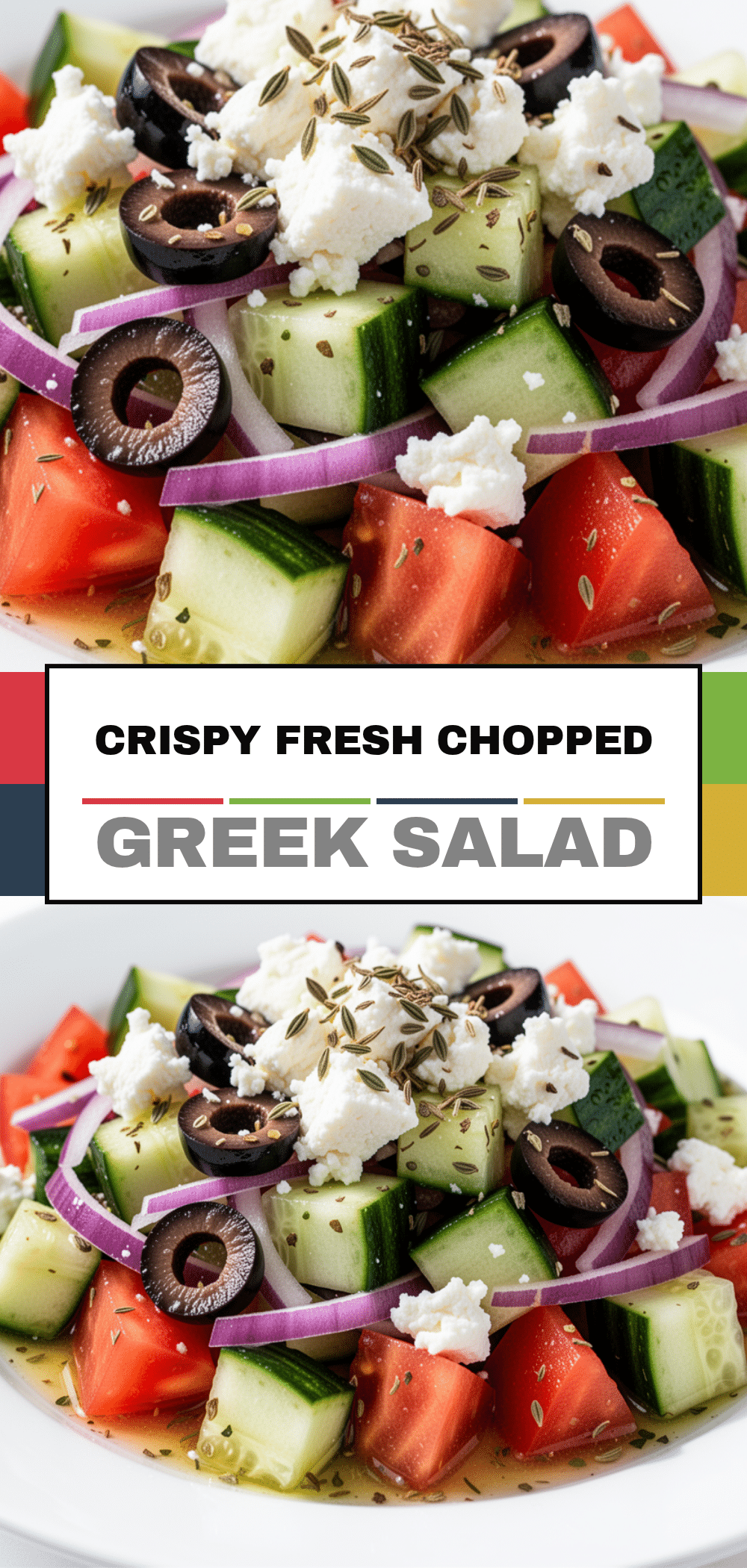
Chopped Greek Salad: 5-Step Healthy Mediterranean Lunch
- Total Time: 15 minutes
- Yield: 6 servings 1x
Description
A vibrant, crunchy chopped Greek salad where every ingredient is cut into small, uniform pieces to ensure every bite is flavorful. This quick, meal-prep friendly salad is perfect for a healthy Mediterranean lunch or side dish.
Ingredients
- 1 head romaine lettuce, chopped (about 12 cups)
- 2 medium English cucumbers, chopped (about 2 cups)
- 1 pint cherry tomatoes, halved (about 2 cups)
- 1 small red onion, finely diced (about ½ cup)
- ½ cup green olives or Kalamata olives, sliced (about 80g)
- 1 cup feta cheese, crumbled (about 120g)
- ¼ cup extra virgin olive oil
- 2 tablespoons red wine vinegar
- 1 tablespoon lemon juice
- 1 teaspoon dried oregano
- 1 clove garlic, minced
- Salt and black pepper, to taste
Instructions
- Wash and dry all vegetables thoroughly. Chop the romaine lettuce, cucumber, and red onion into small, uniform ½-inch chunks. Halve the cherry tomatoes.
- In a small bowl or jar, whisk together the extra virgin olive oil, red wine vinegar, lemon juice, dried oregano, minced garlic, salt, and black pepper until emulsified. Taste and adjust seasoning if needed.
- In a large mixing bowl, combine the chopped romaine, cucumber, tomatoes, red onion, and olives.
- Drizzle the dressing over the salad and toss gently to coat everything evenly without bruising the lettuce.
- Add the crumbled feta cheese and toss one more time to distribute it throughout the salad.
- Serve immediately for the best texture, or store in the refrigerator for up to 3 days (store dressing separately if meal prepping).
Notes
For best results, chop all vegetables into uniform ½-inch pieces so every bite has a mix of flavors. Use high-quality feta made from sheep’s milk for the best flavor. If meal prepping, store the dressing separately and toss the salad just before serving to keep the lettuce crisp. Do not freeze this salad as the lettuce will become mushy.
- Prep Time: 10 minutes
- Cook Time: 0 minutes
- Category: Salad
- Cuisine: Mediterranean
Nutrition
- Serving Size: 1 serving (approx. 1
- Calories: 180
- Sugar: 6
- Sodium: 420
- Fat: 14
- Saturated Fat: 4
- Carbohydrates: 12
- Fiber: 3
- Protein: 6
Keywords: Greek salad, chopped salad, healthy lunch, meal prep, Mediterranean diet, quick salad, vegetarian, gluten-free option


