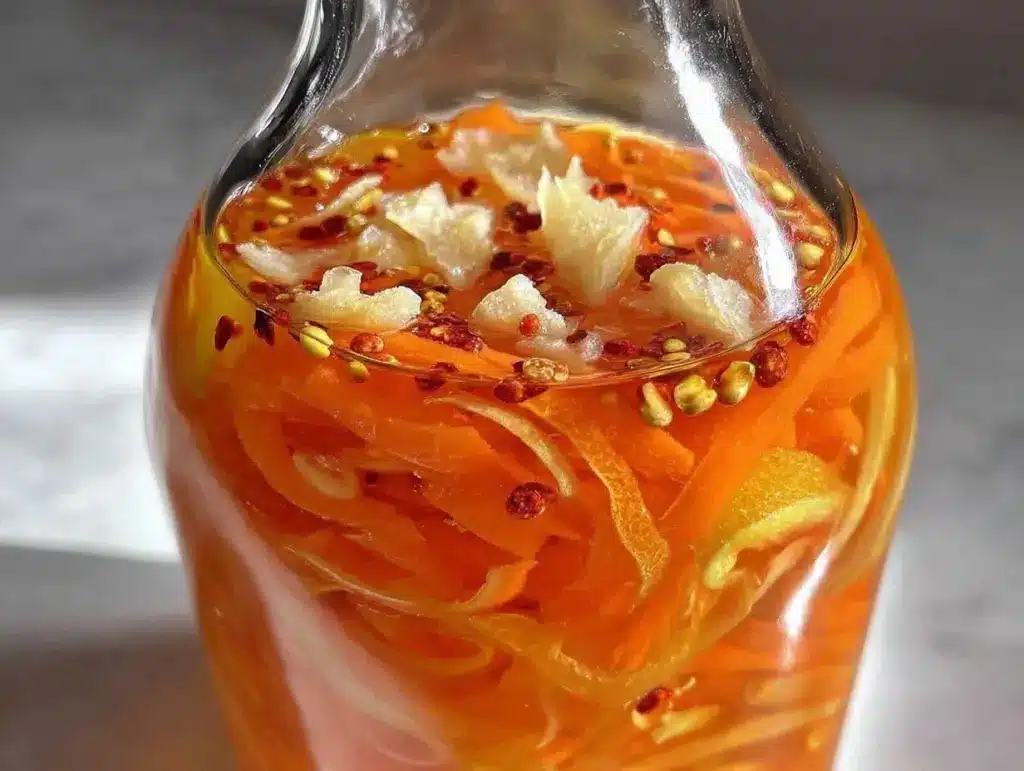
Last November, I woke up with that familiar, heavy-headed feeling. You know the one. It’s that moment when your throat tickles, your sinuses feel like they’re packed with cotton, and you’re already mentally drafting the email to your boss about calling in sick. I reached for the usual suspects—vitamin C gummies, a hot tea—but nothing seemed to cut through the fog. That’s when I remembered my grandmother’s fire cider. She used to make it in gallon-sized mason jars, the kind that take up half your fridge and last until next year. I tried making it that way once. It was a disaster. I ended up with a jar of spicy vinegar that tasted like regret, and half the ingredients went bad before I could even use them.
I’ve been making this immune boosting fire cider tonic recipe for three winters now, and I’ve finally nailed down a version that’s actually manageable. Real talk: who wants to commit to a gallon of pungent, spicy vinegar when you just need a daily shot to keep the sniffles at bay? This small batch version is perfect. It’s potent, it’s practical, and it fits neatly into a standard 8-ounce mason jar. No waste. No overwhelming fumes. Just the good stuff.
What started as a way to avoid buying overpriced supplements has turned into my favorite ritual. There’s something satisfying about chopping fresh ginger and slicing fiery horseradish, then watching it steep in apple cider vinegar. It’s active, it’s aromatic, and it feels like I’m doing something tangible for my health. If you’re tired of big batches that sit in the back of your pantry gathering dust, or if you’re like me and prefer cooking for one or two people without a week of leftovers, this immune boosting fire cider tonic recipe is for you. It’s spicy, it’s sharp, and it’s exactly what you need when the weather turns cold.
Why You’ll Love This Small Batch Tonic
I know what you’re thinking. Fire cider sounds intense. And it is. But that intensity is exactly why it works. Here’s why this small-batch approach has won me over completely:
- Zero Waste, Maximum Flavor — This recipe makes exactly 8 ounces. That’s one standard mason jar. I can drink it all up over a month or so, ensuring every drop is fresh and potent. No half-empty jars languishing in the fridge for six months.
- Ready in Days, Not Weeks — Because the ratio of ingredients to vinegar is higher in this small batch, the flavors infuse much faster. I can have a ready-to-use tonic in just 3-4 days, compared to the traditional 4-week wait. When I feel a cold coming on, I don’t have time to wait a month.
- Cost-Effective Simplicity — You’re using affordable, whole ingredients. No expensive extracts or proprietary blends. Just vinegar, roots, and spices. It costs pennies per serving compared to store-bought immunity shots.
- Customizable Heat — With this small volume, I can tweak the spice level to my exact tolerance. Too much horseradish? Add a bit more honey. Not spicy enough? Throw in another chili flake. It’s my kitchen, my rules.
- Long Shelf Life, Small Footprint — The high acidity of the apple cider vinegar acts as a natural preservative. This tonic keeps for months in the fridge, but because the batch is small, it stays vibrant. I’ve tested this over multiple winters, and the flavor doesn’t degrade.
This is my go-to when winter hits and I need a simple, effective way to support my immune system without complicating my routine.
Key Ingredients for Your Immune Boosting Fire Cider Tonic Recipe
Let’s talk about what goes into this jar. I’ve tested this immune boosting fire cider tonic recipe with various ingredients, and these are the non-negotiables. Each one plays a specific role in the flavor profile and the health benefits.
- Apple Cider Vinegar (1 cup / 240 ml) — This is the base. I always use raw, unfiltered apple cider vinegar with “the mother.” It’s cloudy and slightly sweet, which balances the sharpness of the other ingredients. Brands like Bragg are reliable, but any local raw ACV works. The acetic acid is what preserves the tonic and provides the antimicrobial properties.
- Fresh Ginger Root (2 inches / approx. 50 grams) — Ginger is the warming star here. It aids digestion and helps soothe nausea. Peel it and slice it thinly. Fresh ginger is crucial—powdered ginger doesn’t infuse properly into vinegar and can leave a dusty texture.
- Fresh Turmeric Root (2 inches / approx. 50 grams) — Turmeric adds an earthy, slightly bitter note and is famous for its anti-inflammatory properties. Like ginger, it must be fresh. If you can’t find fresh turmeric, you can substitute 1 teaspoon of high-quality turmeric powder, but add it at the end to avoid sediment.
- Fresh Horseradish Root (1 ounce / 30 grams) — This is the “fire” in fire cider. Horseradish clears sinuses instantly. It’s pungent and sharp. If you’re sensitive to spice, reduce this to 0.5 ounces. Always use fresh root; bottled horseradish often contains preservatives that can interfere with the fermentation process.
- Organic Garlic (3 cloves / approx. 15 grams) — Garlic is a powerhouse for immune support. Peel the cloves and leave them whole or crush them slightly to release the allicin. Don’t skip this; it’s essential for the medicinal profile.
- Dried Oregano (1 tablespoon / 3 grams) — Oregano adds a herbal, slightly peppery depth. It also has antimicrobial qualities. I prefer dried oregano because it releases its oils slowly into the vinegar. Fresh oregano can sometimes introduce too much water content, which might affect shelf life.
- Cayenne Pepper (1 teaspoon / 2 grams) — Cayenne adds heat and boosts circulation. It’s optional if you’re sensitive to spice, but I highly recommend it for that warming sensation. Adjust to taste.
- Raw Honey (2 tablespoons / 42 grams) — Honey sweetens the tonic and soothes the throat. It also adds antibacterial benefits. Add this after the straining process, while the vinegar is still warm from infusing, to preserve its enzymes.
Tools Needed
You don’t need fancy equipment. Here’s what I use to keep this process simple and mess-free.
- 8-ounce Mason Jar — I use a standard wide-mouth mason jar. It’s the perfect size for this batch. Make sure it’s clean and dry to prevent any bacterial growth.
- Sharp Knife — You’ll be chopping roots and garlic. A sharp chef’s knife makes quick work of the ginger and turmeric. A dull knife will crush the roots and make them harder to chop.
- Peeler — For peeling the ginger and turmeric. A simple Y-peeler works best.
- Cheesecloth or Fine-Mesh Sieve — For straining the solid ingredients out of the vinegar. I use a double layer of cheesecloth for a clearer final product.
- Funnel — To transfer the strained vinegar into the serving bottle without spilling. It sounds minor, but it saves sticky countertops.
How to Make Your Immune Boosting Fire Cider Tonic Recipe
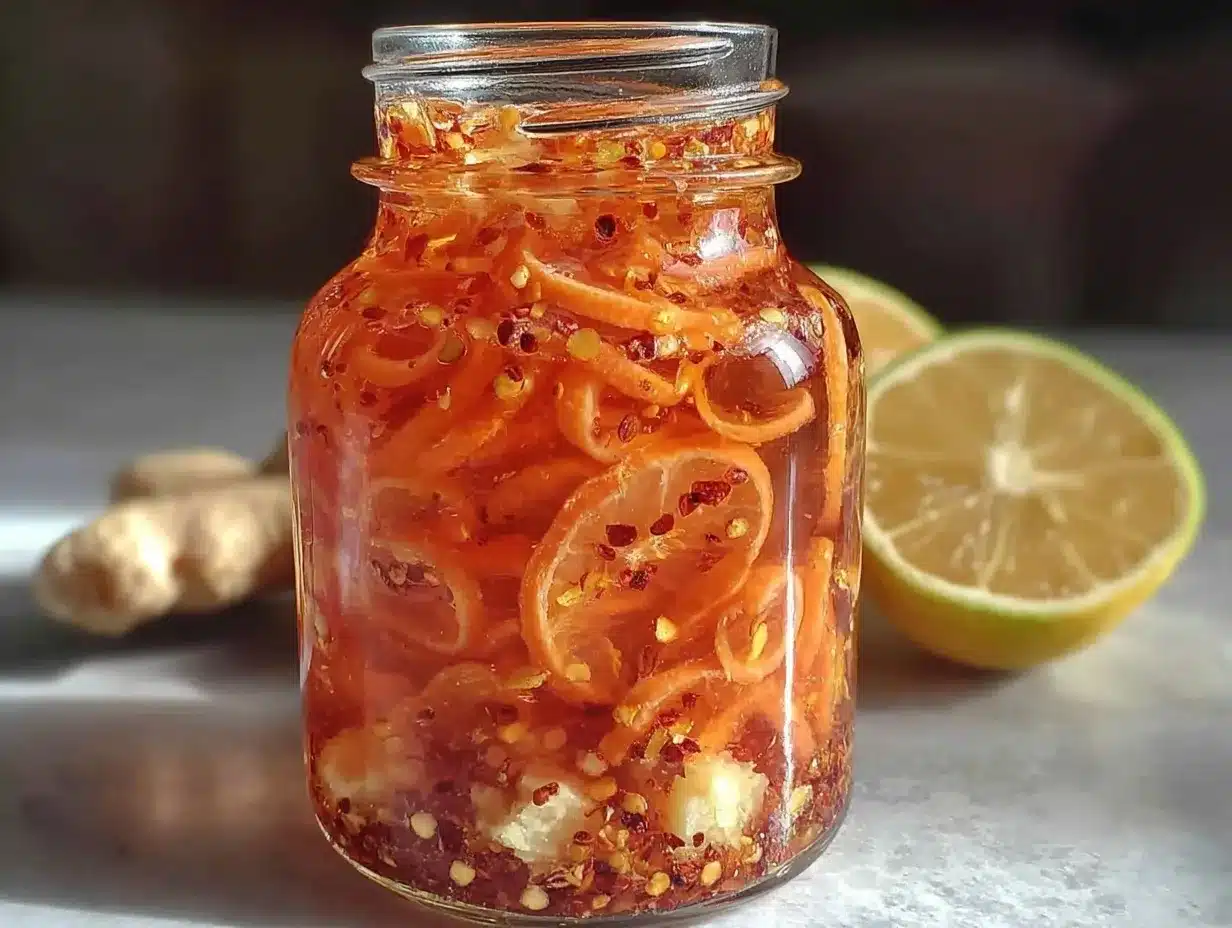
Let’s get into the nitty-gritty. This process is straightforward, but timing and technique matter.
Step 1: Prep the Ingredients (10 minutes)
Start by washing all your fresh ingredients thoroughly. Peel the ginger and turmeric roots. Slice them into thin coins or small chunks. The smaller the pieces, the more surface area is exposed to the vinegar, leading to a stronger infusion. Peel the garlic cloves and leave them whole or lightly crush them with the flat side of your knife. If you’re using fresh horseradish, peel it and grate it finely. Be careful—horseradish fumes can make your eyes water, so work quickly or do this outside.
Step 2: Combine in the Jar (5 minutes)
Place all the chopped ginger, turmeric, horseradish, garlic, oregano, and cayenne pepper into your clean 8-ounce mason jar. Pack them in tightly but don’t crush them. You want them to float freely in the vinegar. Pour the raw apple cider vinegar over the ingredients until they are completely submerged. Leave about half an inch of headspace at the top. If any ingredient floats above the vinegar, it can mold. Use a clean chopstick to push down any floating bits.
Step 3: The Infusion Period (3-4 days)
Seal the jar tightly with a lid. Place it in a cool, dark place like a pantry or cupboard. Shake the jar gently every day for 3-4 days. This helps distribute the flavors and ensures even extraction. You’ll notice the vinegar changing color, turning a deeper amber or even slightly greenish if the sulfur in the garlic reacts with the vinegar—that’s normal and safe. After 3-4 days, taste a small spoonful. If it’s strong enough for you, it’s ready. If you prefer a more intense flavor, let it steep for up to a week.
Step 4: Strain and Sweeten (10 minutes)
Once the infusion is complete, set up your straining station. Place a fine-mesh sieve lined with cheesecloth over a clean bowl or measuring cup. Pour the contents of the jar into the sieve. Let it drip slowly. Don’t squeeze the solids too hard, or the vinegar will become cloudy and bitter. Once all the liquid has drained, discard the solids. Now, while the vinegar is still slightly warm (from being at room temperature), stir in the raw honey until it’s fully dissolved. Taste again. If it’s too sharp, add a bit more honey. If it’s too sweet, add a splash more vinegar.
Step 5: Bottle and Store
Use a funnel to pour the finished tonic into a clean glass bottle or jar. Seal it tightly and store it in the refrigerator. This immune boosting fire cider tonic recipe will keep for up to 6 months in the fridge, but I usually finish this small batch within 2-3 months.
Total Time Breakdown: Prep: 15 minutes. Infusion: 3-4 days. Straining: 10 minutes. Total active time: 25 minutes.
Expert Tips from a Small-Batch Cook
Here’s everything I learned from making this too many times.
The Game-Changers:
- Don’t Rush the Infusion — I tried to speed this up once by heating the vinegar on the stove. It worked faster, but the heat killed some of the beneficial enzymes in the honey and vinegar. Let it steep at room temperature. Patience pays off.
- Fresh Roots Only — I once used dried turmeric and ginger powder to save time. The result was muddy and lacked the vibrant kick of fresh roots. Always use fresh when possible. It makes a world of difference.
- Watch the Head Space — If ingredients float, they can spoil. Make sure the vinegar covers everything completely. If you’re adding extra spices, you might need a bit more vinegar.
Common Problems & Solutions:
- Mold on Top — If you see mold, discard the entire batch. It usually happens if ingredients weren’t fully submerged or if the jar wasn’t clean.
- Too Spicy — If the horseradish or cayenne is too much for you, dilute it with more vinegar and honey. It’s easier to adjust than to start over.
- Cloudy Vinegar — This is normal, especially with fresh turmeric and garlic. If you want a clear tonic, strain it twice through cheesecloth.
Pro Tricks:
- Add Citrus Zest — For a brighter flavor, add a strip of organic orange or lemon zest to the jar. It adds a lovely aroma without adding moisture.
- Label and Date — Write the date you made it on the jar. It helps you track freshness, especially when you’re making batches seasonally.
Recipe Variations
Once you’ve nailed the basic version, here’s how to mix it up.
Citrus Fire Cider
Add the zest of one organic orange and one lemon to the jar. It adds a citrusy brightness that pairs well with the spice. Great for when you want something less earthy.
Herbal Fire Cider
Swap the oregano for thyme and rosemary. This creates a more savory, piney flavor profile. I love this version when I’m cooking up a hearty meal like ditalini pasta soup and want something to complement the herbs.
Mild Ginger Version
Reduce the horseradish to zero and increase the ginger. This is gentler on the stomach and still provides immune support. Perfect for kids or those sensitive to spice.
Dairy-Free & Vegan
This recipe is naturally dairy-free and vegan. Just ensure your honey is replaced with maple syrup if you’re avoiding animal products.
Serving & Storage
Serving:
I take 1-2 tablespoons of this tonic daily, usually mixed into a small glass of water or sparkling water. It’s also great drizzled over salads or roasted vegetables. I love it with a simple arugula salad or on top of korean ground beef bowls for an extra kick.
Storage:
Store in the refrigerator in a sealed glass container. It will keep for up to 6 months. Do not freeze it, as the texture of the honey can change and the flavor may dull. Shake well before each use.
Nutrition Information
I’m not a nutritionist, but here’s the breakdown per tablespoon (approx. 15 ml):
| Nutrient | Amount |
|---|---|
| Calories | 15 |
| Total Fat | 0g |
| Carbohydrates | 3g |
| Fiber | 0g |
| Sugar | 2g |
| Protein | 0g |
| Sodium | 5mg |
My Take: This is a functional food, not a calorie bomb. It’s low in calories and sugar, but high in beneficial compounds from the vinegar and spices. It’s a healthy addition to your routine, not a treat to overindulge in.
Final Thoughts
Making this immune boosting fire cider tonic recipe has changed how I approach cold season. It’s proactive, it’s natural, and it’s small enough to not feel like a chore. I hope you give it a try. It’s a simple way to take control of your health with ingredients you already have. If you make this, drop a comment! I love hearing how it turns out in your kitchen. Happy cooking!
FAQs
Can I use white vinegar instead of apple cider vinegar?
I don’t recommend it. Apple cider vinegar has a smoother, slightly sweet flavor that balances the spices. White vinegar is too harsh and metallic. The “mother” in raw ACV also adds beneficial bacteria.
How long does this fire cider last?
Stored in the refrigerator, this small batch will last for up to 6 months. However, because it’s a small batch, I usually finish it within 2-3 months to ensure peak freshness.
Can I make this without honey?
Yes, you can skip the honey, but it will be very sharp. If you’re avoiding sugar, you can use maple syrup or agave nectar. Just note that these sweeteners may not preserve as well as honey.
Is it safe to drink raw garlic in fire cider?
Yes, it’s safe. The vinegar preserves the garlic and reduces the risk of bacterial growth. However, if you have a sensitive stomach, start with a smaller dose.
Can I use dried herbs instead of fresh roots?
You can use dried oregano, but for ginger, turmeric, and horseradish, fresh is much better. Dried roots don’t infuse the same way and can result in a weaker tonic.
Why did my fire cider turn green?
This is a common reaction between the sulfur in garlic and the vinegar. It’s completely safe and doesn’t affect the flavor or potency. Don’t worry about it!
Can I scale this up to make a larger batch?
Yes, you can scale up, but I recommend sticking to small batches for freshness. If you make a large batch, ensure all ingredients are fully submerged and store it in a cool, dark place.
Pin This Recipe!
Immune Boosting Fire Cider: Small Batch Tonic
- Total Time: 3-4 days (infusion time)
- Yield: 8 ounces (approx. 16 servings) 1x
Description
A manageable, small-batch immune boosting fire cider tonic made in an 8-ounce mason jar. This potent, spicy vinegar infusion uses fresh roots and spices to support immunity without the waste of large batches.
Ingredients
- 1 cup (240 ml) raw, unfiltered apple cider vinegar
- 2 inches (approx. 50 grams) fresh ginger root, peeled and sliced
- 2 inches (approx. 50 grams) fresh turmeric root, peeled and sliced
- 1 ounce (30 grams) fresh horseradish root, peeled and grated
- 3 cloves (approx. 15 grams) organic garlic, peeled
- 1 tablespoon (3 grams) dried oregano
- 1 teaspoon (2 grams) cayenne pepper
- 2 tablespoons (42 grams) raw honey
Instructions
- Wash all fresh ingredients thoroughly. Peel and slice the ginger and turmeric into thin coins or small chunks. Peel the garlic cloves and leave them whole or lightly crush them. Peel and finely grate the fresh horseradish.
- Pack the chopped ginger, turmeric, horseradish, garlic, oregano, and cayenne pepper into a clean 8-ounce mason jar.
- Pour the raw apple cider vinegar over the ingredients until they are completely submerged, leaving about half an inch of headspace. Push down any floating bits with a chopstick.
- Seal the jar tightly and place it in a cool, dark place. Shake gently every day for 3-4 days to distribute flavors.
- Set up a fine-mesh sieve lined with cheesecloth over a bowl. Pour the contents of the jar into the sieve and let it drip slowly without squeezing the solids.
- Discard the solids. While the vinegar is still slightly warm, stir in the raw honey until fully dissolved.
- Pour the finished tonic into a clean glass bottle or jar using a funnel. Seal tightly and store in the refrigerator.
Notes
[“Use raw, unfiltered apple cider vinegar with ‘the mother’ for best results.”, ‘Always use fresh roots; powdered versions do not infuse properly.’, ‘If ingredients float, they can mold; ensure they are fully submerged.’, ‘The vinegar may turn greenish due to sulfur in garlic reacting with vinegar; this is safe.’, ‘Do not heat the vinegar on the stove as it kills beneficial enzymes.’, ‘Store in the refrigerator for up to 6 months.’]
- Prep Time: 15 minutes
- Cook Time: 0 minutes
- Category: Condiments
- Cuisine: American
Nutrition
- Serving Size: 1-2 tablespoons dail
- Calories: 15
- Sugar: 2
- Sodium: 5
- Carbohydrates: 3
Keywords: fire cider, immune boosting, small batch tonic, apple cider vinegar, ginger, turmeric, horseradish, natural remedies, cold season, wellness


