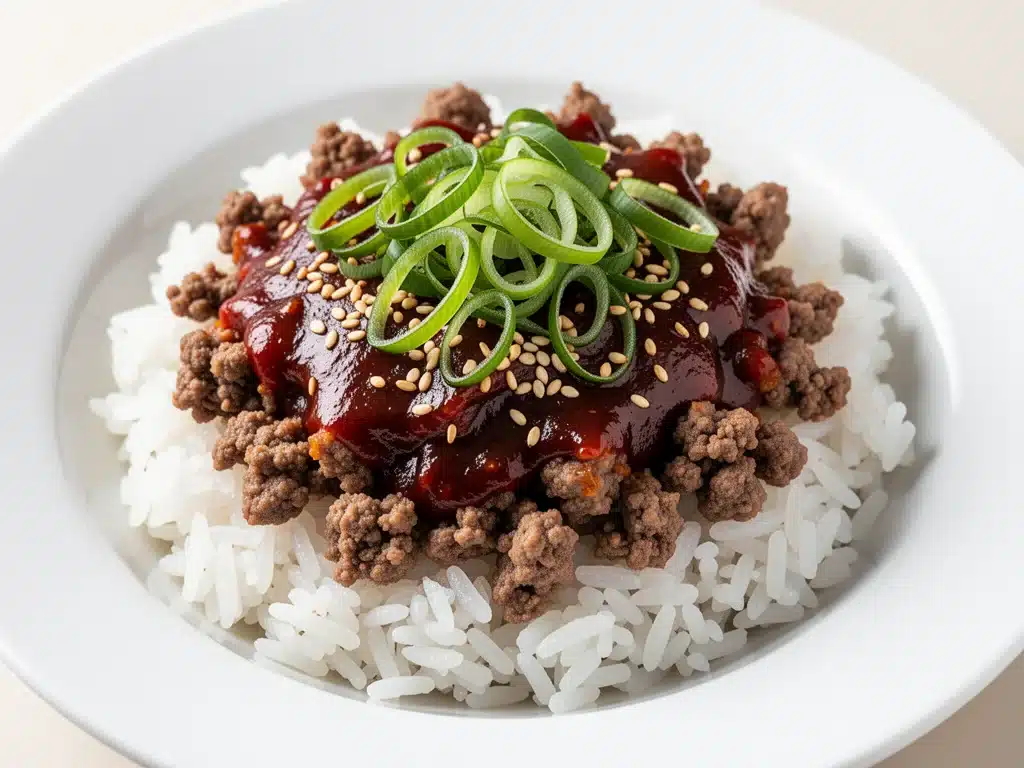
It was 6:45 PM on a Tuesday, and I was staring into the abyss of my refrigerator. You know that look. The one where you’re hoping a miracle will occur—a forgotten container of leftovers, a fresh bell pepper, anything that doesn’t require a trip to the store or more than twenty minutes of effort. My husband was already at the table, scrolling through delivery apps, and our two kids were in a state of “hangry” escalation that I could feel getting worse by the second. I had zero motivation to cook, but I also had zero appetite for another slice of cold pizza.
That was the exact moment I rediscovered Korean Ground Beef. I’d seen the viral recipe on TikTok a few months prior, dismissed it as another fleeting food trend, and honestly, I was skeptical. How could ground beef and a few pantry staples possibly compete with takeout? But desperation is a great motivator. I dug through my cabinets, found some soy sauce, brown sugar, and garlic, and threw together a batch in about fifteen minutes. The smell that filled our kitchen—sweet, savory, garlicky, and unmistakably appetizing—silenced the kids before the food even hit the plates.
That Tuesday dinner wasn’t just a meal; it was a rescue mission. We ate it straight out of the pan because we were too hungry to wait for bowls, and my husband actually put his phone down. Since then, this easy 15-minute dinner has become the backbone of our weekly rotation. I’ve made it at least thirty times in the last year, tweaking the spice levels for my teenagers and swapping the rice for cauliflower rice when I’m feeling “healthy.” But let’s be real: the classic version with fluffy white rice is the one that gets the “again” requests.
What I love most about this dish isn’t just the speed—it’s the balance. It hits every note: salty, sweet, spicy, and garlicky. It feels like a treat, but it’s actually cheap and fast. If you’re stuck in a weeknight rut or just need a reliable meal that doesn’t require a grocery run, you need to try this Korean Ground Beef Rice Bowl recipe. It’s simple, it’s forgiving, and it tastes like you spent hours simmering it (even though you didn’t).
Why This Recipe Is a Weeknight Hero
I’m not going to stand here and pretend that cooking is always magical. Some nights, it’s just survival. This Korean Ground Beef recipe is the ultimate survival tool for busy families. It’s not complicated, it doesn’t require specialized skills, and it doesn’t leave you with a sink full of dishes to tackle before bed. Here’s why this specific version has earned a permanent spot in my kitchen:
- Stupidly Fast — Seriously. From the moment you turn on the stove to the moment you’re eating, it’s 15 minutes. I’ve timed it. The beef browns in 5, the sauce simmers in 3, and you’re done. It’s perfect for those nights when you walk in the door at 6:30 PM and need to eat by 7:00.
- Pantry-Driven — You probably already have 90% of these ingredients. Soy sauce, brown sugar, garlic, ginger, sesame oil, and red pepper flakes (or just crushed red pepper). You don’t need to go to the store. This is the kind of meal that saves you when you’re out of fresh produce or too tired to shop.
- Customizable Heat — My husband loves it spicy, my kids want it mild. This recipe lets you control the heat level easily. I keep a bottle of gochujang (Korean chili paste) on hand for the adults, but the base recipe is mild enough for everyone. It’s a great way to please picky eaters without making two separate dinners.
- Budget-Friendly — Ground beef is one of the cheapest proteins you can buy. For about $8-10, you can feed a family of four. That’s less than the cost of one order of takeout Korean BBQ, and it’s way healthier. Plus, the leftovers make incredible lunch for the next day.
- One-Pan Wonder — Okay, technically you need a pot for the rice, but the beef cooks in a single skillet. Cleanup is minimal. I love that I can just wipe down the pan and call it a day. It reduces the mental load of cooking, which is half the battle.
This isn’t just food; it’s peace of mind. It’s the recipe I reach for when I’m tired, stressed, or just don’t feel like thinking. It works every time, and it always makes my family happy. If you’re looking for a reliable 15-minute weeknight dinner that doesn’t taste like cardboard, this is it.
Ingredients You’ll Need
One of the best things about this Korean Ground Beef Rice Bowl is that the ingredient list is short and sweet. You don’t need a specialty Asian market for most of this. Here’s what I keep stocked, and why each one matters:
For the Beef
Ground Beef (1 pound / 450g) — I use 80/20 fat ratio. The fat adds flavor and keeps the beef juicy. If you’re watching your calories, 90/10 works, but it will be leaner and less rich. Don’t use extra-lean beef unless you want dry, crumbly meat.
Garlic (4-5 cloves, minced / about 1 tablespoon) — Fresh garlic is non-negotiable here. Jarred garlic has a metallic aftertaste that really clashes with the sweet sauce. Mince it fine so it distributes evenly. If you’re lazy, use a garlic press, but get the good stuff.
Fresh Ginger (1 tablespoon, grated / about 10g) — This adds that bright, zesty kick that defines Korean flavor. I buy a fresh knob of ginger and peel it with a spoon. If you’re short on time, 1 teaspoon of ground ginger works, but fresh is better.
Green Onions (2-3 stalks, sliced) — Both the white and green parts go in during cooking, but I reserve a good amount of the bright green tops for garnish. They add a fresh, oniony crunch that cuts through the richness.
For the Sauce
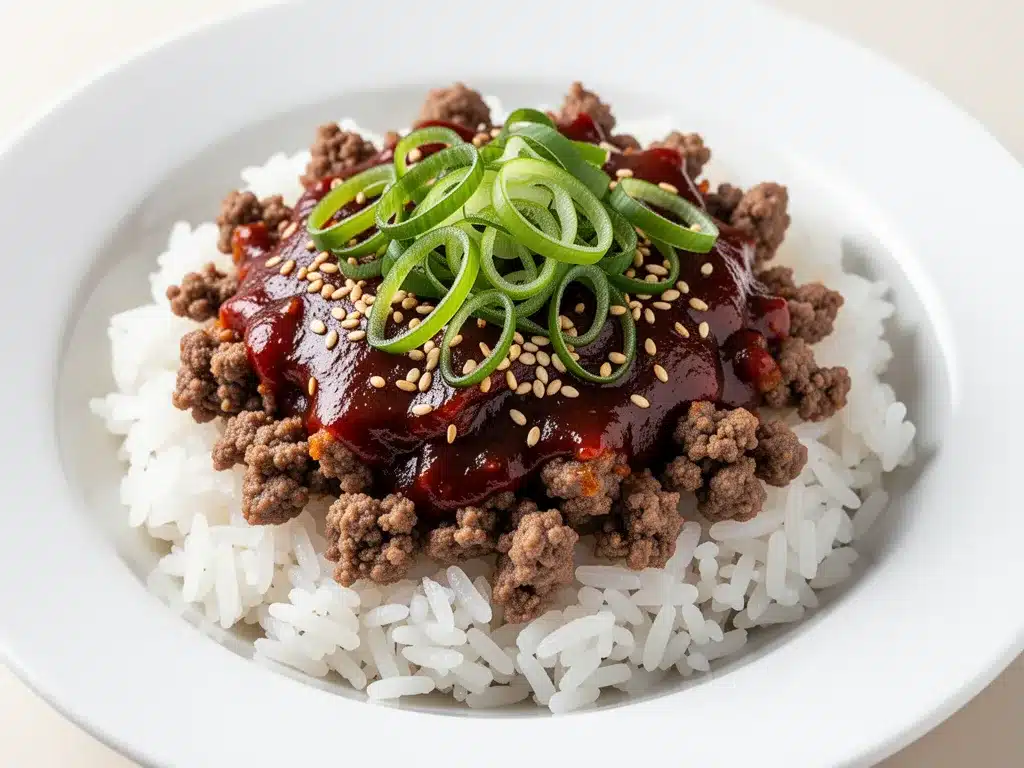
Soy Sauce (½ cup / 120ml) — I use regular soy sauce, not low-sodium. The flavor profile changes too much with low-sodium versions, and it tends to taste flat. If you need gluten-free, use tamari, but be aware it’s saltier.
Brown Sugar (2 tablespoons / 25g) — This balances the saltiness of the soy sauce. You can use white sugar, but brown sugar adds a deeper, molasses-like flavor that mimics traditional Korean sauces. Don’t skip it; the sweet-salty balance is key.
Sesame Oil (1 tablespoon / 15ml) — Toasted sesame oil is potent. A little goes a long way. Make sure it’s toasted, not raw. It adds that nutty aroma that makes the dish smell like a restaurant. I keep my bottle in the fridge to keep it fresh.
Water (¼ cup / 60ml) — This thins out the sauce so it coats the beef evenly without being too salty or thick. It helps create that glossy glaze.
Red Pepper Flakes (½ teaspoon / optional) — For a little heat. I add this in, but my kids get theirs with just a pinch. If you like it spicy, add a teaspoon of gochujang paste instead for authentic Korean heat.
Sesame Seeds (1 tablespoon / for garnish) — Toasted sesame seeds add a nice crunch and visual appeal. They make the dish look finished and professional, even if you threw it together in 15 minutes.
For Serving
White Rice (2 cups cooked) — Short-grain or medium-grain rice is best because it’s sticky and holds the sauce well. Jasmine rice works too, but it’s fluffier. I usually cook a batch in the morning or use leftover rice.
Vegetables — I like to add steamed broccoli, sautéed spinach, or pickled carrots. They add color and nutrition. I keep a bag of frozen broccoli in the freezer for quick steaming.
Equipment Needed
You don’t need fancy gadgets for this. Here’s what I actually use in my kitchen:
Large Skillet or Wok — A 12-inch skillet is ideal. I use a cast-iron skillet because it holds heat well and gives the beef a nice sear. A non-stick wok works too if you’re used to that. Just make sure it’s big enough to hold the beef and sauce without splattering everywhere.
Rice Cooker or Medium Pot — For the rice, I use a rice cooker because I can set it and forget it. If you don’t have one, a medium saucepan with a tight-fitting lid works fine. Just remember the 2:1 water-to-rice ratio.
Wooden Spoon or Spatula — For breaking up the beef and stirring the sauce. I prefer a wooden spoon because it doesn’t scratch my pans.
Small Bowl — For mixing the sauce ingredients. It’s easier to mix them in a bowl before adding to the pan than to guess and add them one by one.
Sharp Knife and Cutting Board — For mincing garlic, grating ginger, and slicing green onions. A dull knife makes mincing garlic a nightmare.
How to Make It: Step-by-Step
Alright, let’s get cooking. This process is straightforward, but there are a few tricks to get the texture and flavor just right. I’m walking you through exactly how I do it.
Step 1: Cook the Rice
Start your rice first because it takes the longest. Rinse 1 cup of short-grain rice under cold water until the water runs clear. This removes excess starch and prevents gummy rice. Add it to your rice cooker or pot with 2 cups of water. Cook according to your appliance’s instructions. If you’re using a pot, bring to a boil, reduce to low, cover, and simmer for 18 minutes. Let it sit off heat for 5 minutes before fluffing with a fork.
Step 2: Prep the Sauce
While the rice cooks, whisk together the soy sauce, brown sugar, sesame oil, water, and red pepper flakes in a small bowl. Stir until the sugar is dissolved. This ensures the sauce is evenly distributed and you don’t get pockets of overly salty soy sauce. Set it aside.
Step 3: Brown the Beef
Heat a large skillet over medium-high heat. Add the ground beef, breaking it up with your wooden spoon as it cooks. Don’t let it sit in one spot; keep moving it around so it browns evenly. Cook for about 5-6 minutes until no pink remains. If there’s a lot of excess grease, drain it off, but leave a little bit for flavor. This step is crucial for texture—you want crumbly, browned beef, not a mushy patty.
Step 4: Add Aromatics
Once the beef is browned, push it to the side of the pan or just mix in the minced garlic and grated ginger. Cook for 1 minute, stirring constantly. You want to smell the garlic and ginger become fragrant. If you cook them too long, they’ll burn and taste bitter. One minute is perfect.
Step 5: Simmer the Sauce
Pour the sauce mixture over the beef and green onions. Stir everything together well. Let it simmer for 2-3 minutes. The sauce will bubble and thicken slightly, coating the beef in a glossy glaze. You’ll know it’s ready when the sauce looks shiny and clings to the meat, not watery.
Step 6: Serve
Remove from heat. Taste and adjust if needed—a splash more soy sauce if it’s too sweet, or a pinch of sugar if it’s too salty. Serve immediately over hot rice. Top with sliced green onions and toasted sesame seeds. Add your favorite vegetables on the side.
Total Time: 15 minutes (5 minutes active prep, 10 minutes cooking)
Expert Tips & Tricks
Here’s everything I’ve learned from making this dozens of times. These tips will save you from my mistakes.
Don’t Skip the Rinse
Rinsing the rice is non-negotiable if you want fluffy, separate grains. If you skip it, your rice will be sticky and gummy, which doesn’t pair well with the saucy beef. I rinse mine in a fine-mesh strainer until the water is clear.
Brown the Beef Properly
The key to good texture is browning. If you crowd the pan or turn the heat down too low, the beef will steam instead of brown. Keep the heat at medium-high and break up the meat well. You want those browned bits—they’re full of flavor.
Fresh Ginger is Worth It
I know grating ginger is annoying, but the difference in flavor is huge. Ground ginger is dusty and lacks that sharp, fresh punch. If you really hate prepping ginger, buy fresh ginger root and grate it in bulk when you’re already chopping vegetables. Freeze the rest in small portions.
Control the Salt
Soy sauce brands vary wildly in saltiness. Kikkoman is standard, but some are saltier. Taste your sauce after it simmers. If it’s too salty, add a splash of water or a pinch more sugar. It’s easier to fix than if you add it all at once.
Toast Your Sesame Seeds
Raw sesame seeds are bland. Toast them in a dry pan for 1-2 minutes until they’re golden and fragrant. It takes two minutes but elevates the dish from “homemade” to “restaurant-quality.”
Common Mistakes (and how to avoid them):
- Mistake: Sauce is too thin — Fix: Let it simmer longer. The starch in the beef and the sugar in the sauce will thicken it. If it’s still too thin, add a teaspoon of cornstarch mixed with water.
- Mistake: Beef is dry — Fix: You cooked it too long or used too-lean beef. Next time, use 80/20 and don’t overcook. The sauce adds moisture back, but starting with juicy beef helps.
- Mistake: Rice is mushy — Fix: You used too much water or didn’t rinse it. Stick to the 2:1 ratio and rinse well.
Variations & Substitutions
Once you’ve nailed the basic version, here’s how you can mix it up. I’ve tried all of these.
Chicken Version
Swap ground beef for ground chicken or turkey. It’s leaner and milder. You might need a little extra soy sauce and sugar to balance the flavor. My kids prefer chicken because it’s less heavy.
Pork Version
Ground pork is juicy and flavorful. It pairs beautifully with the sweet-salty sauce. Use 80/20 pork for the best texture.
Spicy Gochujang
Add 1-2 tablespoons of gochujang (Korean chili paste) to the sauce for authentic Korean heat. It adds a deep, fermented complexity that red pepper flakes can’t match. I love this version for date night.
Veggie-Loaded
Toss in sliced mushrooms, bell peppers, or zucchini when you add the sauce. They’ll cook in the sauce and absorb all the flavor. I add a bag of frozen mixed vegetables for a quick nutrient boost.
Low-Carb
Serve over cauliflower rice or zucchini noodles. It’s not the same texture, but it works if you’re watching carbs. I use pre-riced cauliflower from the store to save time.
Gluten-Free
Use tamari instead of soy sauce. Everything else is naturally gluten-free. Check your sesame oil to ensure it’s pure, as some brands add wheat.
Serving & Storage
How to Serve
I usually serve this straight from the skillet at the dinner table—it looks rustic and stays warm. But here are other ways I’ve enjoyed it:
- Steamed Broccoli — The classic pairing. Simple and healthy.
- Pickled Carrots — Adds a crunchy, tangy contrast to the soft beef and rice.
- Fried Egg — A runny fried egg on top is pure comfort. The yolk mixes with the sauce for extra richness.
- Kimchi — A side of kimchi adds probiotics and a spicy kick. It’s a traditional Korean accompaniment.
Storage Instructions
Refrigerator: Store in an airtight container for up to 4 days. The beef and sauce keep well, but the rice might dry out slightly. I recommend storing the beef and rice separately if possible.
Reheating: Best method: Add a splash of water or broth to the beef mixture in a skillet over low heat. Stir until heated through. For the rice, microwave it with a damp paper towel on top to keep it moist. Don’t reheat in the microwave without water—it gets hard and crunchy.
Freezing: You can freeze the beef mixture for up to 3 months. Thaw in the fridge overnight and reheat. The rice doesn’t freeze well; it becomes grainy and mushy. Freeze the beef only.
Pro Tip: If leftovers are drying out, stir in a teaspoon of butter or sesame oil when reheating. It brings back that glossy, rich texture.
Nutrition Information
I’m not a nutritionist, but here’s the breakdown if you’re tracking. This is per serving (based on 4 servings):
| Nutrient | Amount |
|---|---|
| Calories | 450 |
| Protein | 25g |
| Carbs | 50g |
| Fiber | 2g |
| Sugar | 8g |
| Fat | 15g |
| Saturated Fat | 5g |
| Sodium | 900mg |
What’s Good: High protein from the beef, decent carbs for energy. You can boost fiber by adding vegetables.
What to Know: Higher in sodium due to soy sauce. Use low-sodium soy sauce or tamari to reduce. It’s not a diet food, but it’s balanced enough for a regular meal.
Final Thoughts
So that’s my go-to Korean Ground Beef Rice Bowl! I’ve probably talked your ear off at this point, but when you make a recipe this often, you have a lot to say about it. This has saved weeknight dinners more times than I can count. It’s my answer to “what’s for dinner” when I’m tired, don’t want takeout, and still want something that tastes really good. My kids are happy, my husband’s happy, and I’m happy because I’m not stressed about cooking.
Make it yours! Try different add-ins, swap in your favorite vegetables, adjust the garlic (though more is always better in my opinion). The best recipes are the ones you adapt to your family’s tastes. If you make this, drop a comment and let me know what you think! I love hearing how recipes turn out in your kitchen. And if something doesn’t work, tell me that too—I’m here to help troubleshoot.
Happy cooking! And I hope your kitchen smells half as good as mine does right now.
Frequently Asked Questions
Can I use lean ground beef?
You can, but the dish will be less rich and slightly drier. I recommend using 80/20 for the best flavor and texture. If you use 90/10, add a little extra sesame oil to the sauce to compensate for the lost fat.
Why is my sauce too salty?
Soy sauces vary in salt content. If it’s too salty, add a splash of water or a pinch more brown sugar to balance it. Next time, use less soy sauce or switch to low-sodium tamari.
Can I make this ahead of time?
Yes! The beef mixture can be made up to 3 days ahead and stored in the fridge. Reheat it gently with a splash of water. Cook the rice fresh for best texture.
What’s the best rice to use?
Short-grain or medium-grain rice is best because it’s sticky and holds the sauce well. Jasmine rice works too, but it’s fluffier and might not cling to the beef as nicely.
Can I freeze this?
The beef mixture freezes well for up to 3 months. The rice does not freeze well. Thaw the beef in the fridge and reheat, then serve over fresh rice.
Is this recipe spicy?
The base recipe is mild. I add red pepper flakes for a little heat, but you can omit them or add less for kids. For authentic Korean heat, add gochujang paste.
Can I use ground turkey or chicken?
Yes! Ground turkey or chicken works great. They’re leaner, so you might need a little extra soy sauce and sugar to balance the flavor. It’s a lighter option that still tastes delicious.
Pin This Recipe!
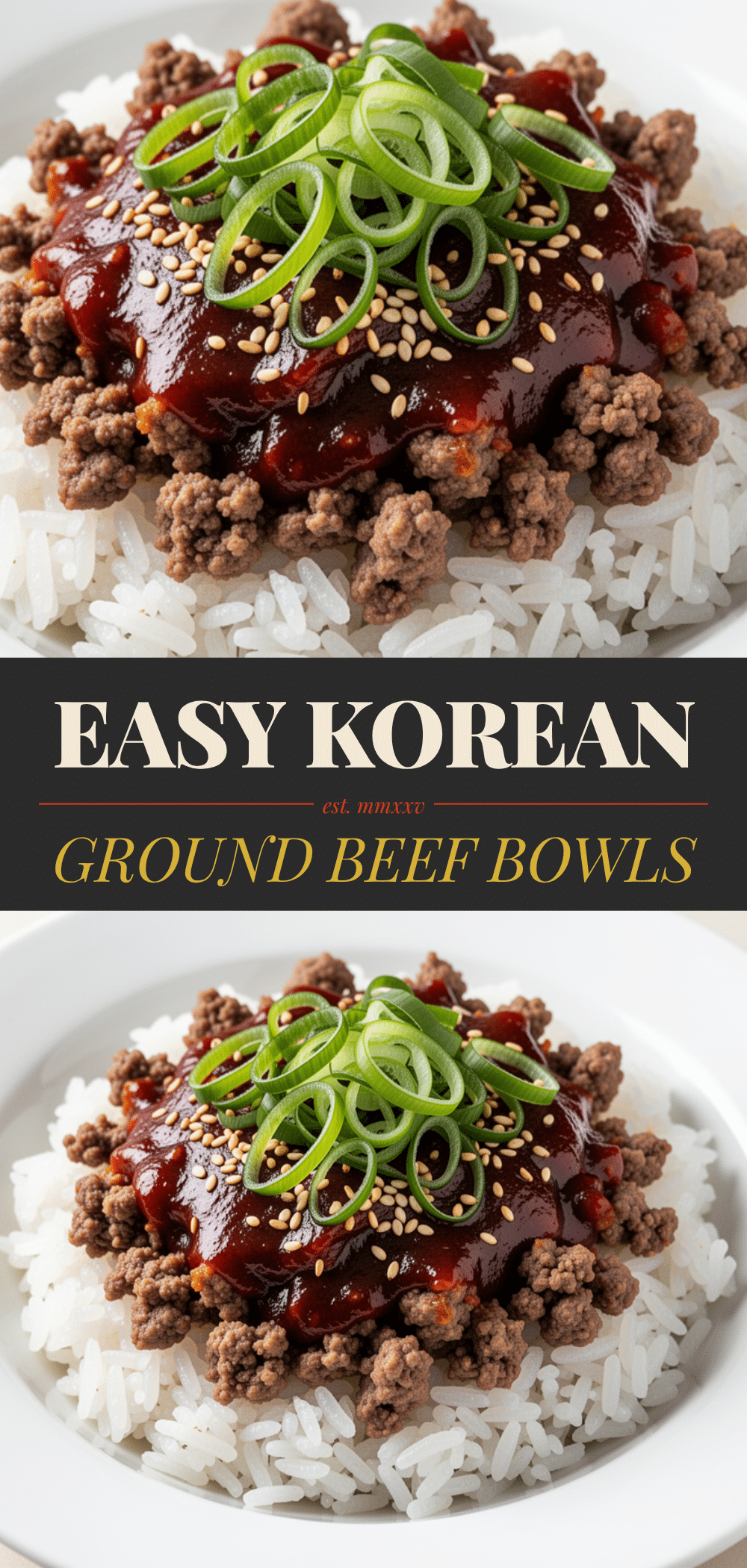
Korean Ground Beef: Best Easy 15-Min Bowls
- Total Time: 15 minutes
- Yield: 4 servings 1x
Description
A quick and flavorful weeknight dinner featuring ground beef simmered in a sweet, savory, and garlicky Korean-inspired sauce, served over rice.
Ingredients
- 1 pound ground beef (80/20 fat ratio recommended)
- 4–5 cloves garlic, minced
- 1 tablespoon fresh ginger, grated
- 2–3 stalks green onions, sliced
- ½ cup soy sauce
- 2 tablespoons brown sugar
- 1 tablespoon toasted sesame oil
- ¼ cup water
- ½ teaspoon red pepper flakes (optional)
- 1 tablespoon toasted sesame seeds (for garnish)
- 2 cups cooked white rice
- Vegetables for serving (e.g., steamed broccoli, pickled carrots)
Instructions
- Cook the rice: Rinse 1 cup of short-grain rice under cold water until clear. Add to a rice cooker or pot with 2 cups of water and cook according to instructions. If using a pot, bring to a boil, reduce to low, cover, and simmer for 18 minutes. Let sit off heat for 5 minutes before fluffing.
- Prep the sauce: In a small bowl, whisk together soy sauce, brown sugar, sesame oil, water, and red pepper flakes until the sugar is dissolved. Set aside.
- Brown the beef: Heat a large skillet over medium-high heat. Add ground beef, breaking it up with a wooden spoon. Cook for 5-6 minutes until no pink remains. Drain excess grease if desired, but leave some for flavor.
- Add aromatics: Push beef to the side or mix in minced garlic and grated ginger. Cook for 1 minute, stirring constantly, until fragrant.
- Simmer the sauce: Pour the sauce mixture over the beef and green onions. Stir to combine and simmer for 2-3 minutes until the sauce thickens slightly and coats the beef in a glossy glaze.
- Serve: Remove from heat. Taste and adjust seasoning if needed. Serve immediately over hot rice, topped with sliced green onions and toasted sesame seeds.
Notes
Rinsing the rice is essential for fluffy grains. Use fresh ginger for the best flavor. Toast sesame seeds in a dry pan for 1-2 minutes before garnishing. If the sauce is too salty, add a splash of water or more sugar. For a spicy version, add gochujang paste.
- Prep Time: 5 minutes
- Cook Time: 10 minutes
- Category: Main Course
- Cuisine: Korean
Nutrition
- Serving Size: 1 cup rice with beef
- Calories: 450
- Sugar: 8
- Sodium: 900
- Fat: 15
- Saturated Fat: 5
- Carbohydrates: 50
- Fiber: 2
- Protein: 25
Keywords: Korean ground beef, 15 minute dinner, easy weeknight meals, ground beef recipes, Korean rice bowl, quick dinner, family friendly meals


