It was 6:45 PM on a Tuesday, and I was staring into the abyss of my refrigerator. The light flickered slightly, much like my will to live. Inside, there was a lonely bag of spinach that had seen better days, a jar of pickles I didn’t want, and two raw chicken breasts that were starting to look at me with judgment. I was exhausted. My brain was mush. The idea of chopping vegetables, managing multiple pans, and cleaning a kitchen full of pots felt like climbing Mount Everest in flip-flops.
Then I remembered the honey mustard chicken sitting in the freezer from a previous “I’m going to meal prep everything!” phase that had gone spectacularly wrong. Or maybe it was just the craving. Whatever it was, I pulled out those chicken breasts and some potatoes, threw them on a sheet pan, and drizzled them with honey and mustard. I hit bake and walked away.
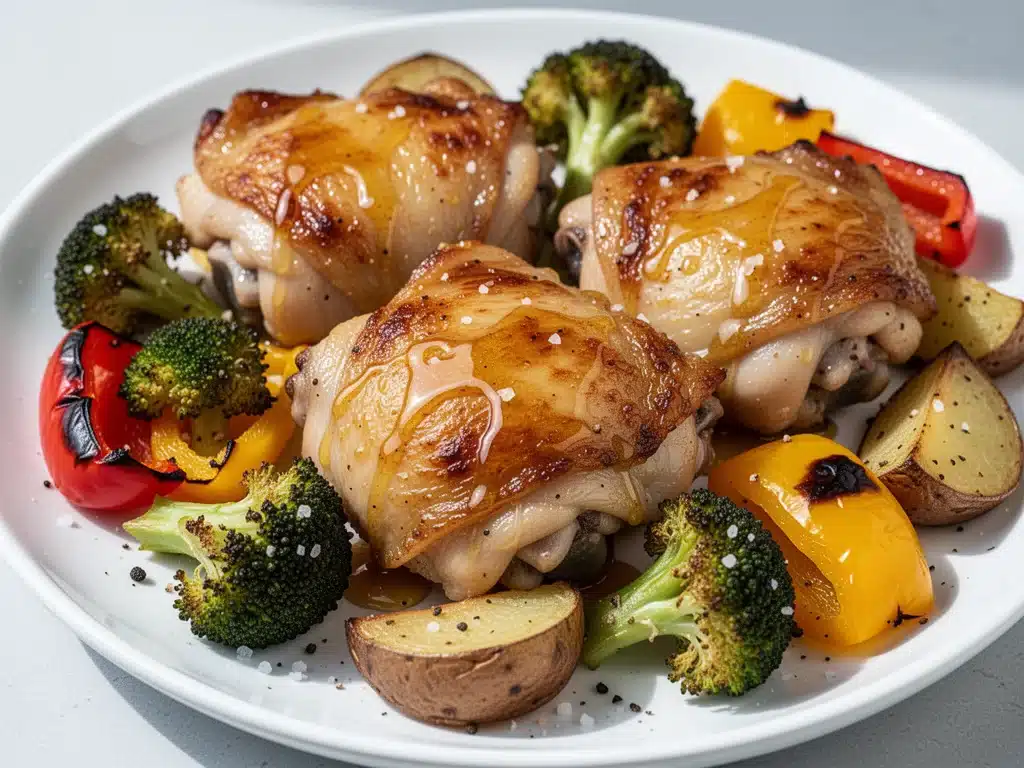
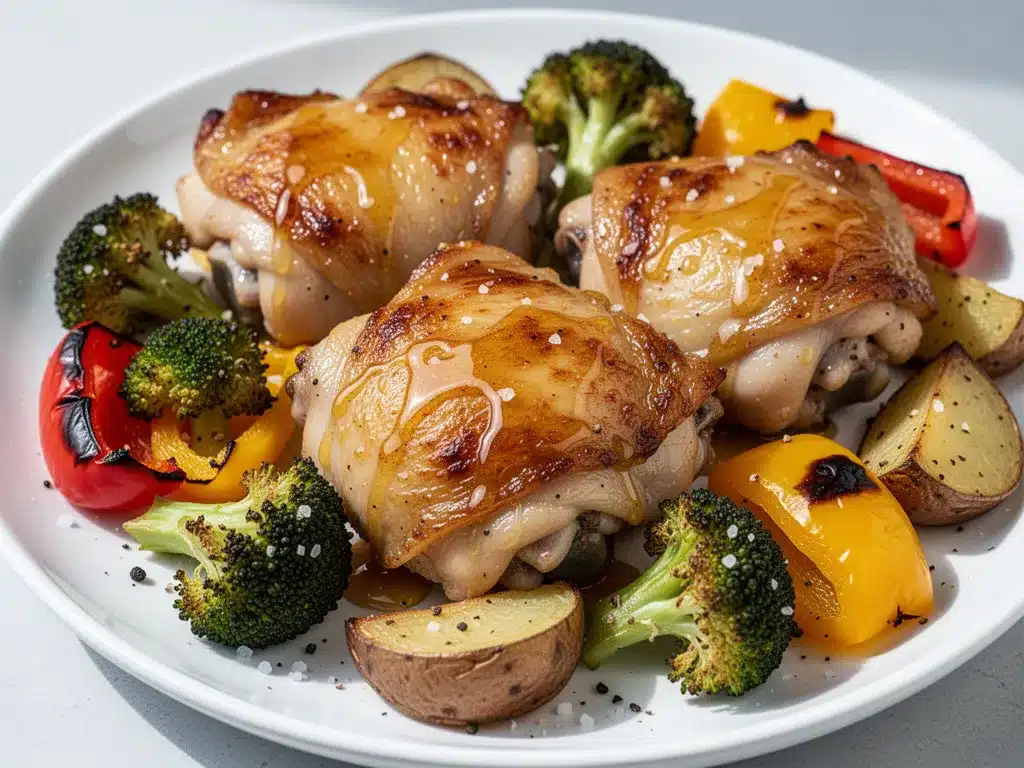
Twenty-five minutes later, the smell of caramelized honey and tangy mustard filled the house. It was the kind of aroma that makes your stomach growl loudly enough to be heard three rooms away. When I pulled that pan out of the oven, the chicken was golden, the potatoes were crispy-edged and tender inside, and I hadn’t touched a single dirty spoon until it was time to eat.
This honey mustard sheet pan chicken is now my absolute savior. It’s not just a recipe; it’s a lifeline on chaotic evenings. I’ve made this probably fifty times in the last year alone, and honestly? It’s the only thing that keeps me sane during the work week. It’s sweet, it’s savory, it’s crispy, and it requires exactly one pan to clean. If you’re tired of the same old grilled chicken routine or feeling guilty about ordering takeout again, you need to try this. It’s easy, it’s delicious, and it’s about to become your new best friend.
Why You’ll Love This Honey Mustard Sheet Pan Chicken
There are about ten reasons I keep coming back to this recipe, but let’s be real—you’re busy. You don’t have time for complicated techniques or ingredients you can’t pronounce. Here’s why this honey mustard sheet pan chicken has completely taken over my weeknight rotation.
Zero Cleanup Stress — Seriously. One sheet pan. One mixing bowl. That’s it. I don’t care if you’re a neat freak like me or a “laundry on the floor is fine” person like my husband, you will appreciate the lack of dishes. I’ve served this to friends who usually complain about the mess, and they were shocked by how little cleanup was involved.
Flavor That Actually Happens — Baked food often tastes bland compared to sautéed or fried versions. Not this. The high heat of the oven caramelizes the honey and mustard, creating a sticky, crispy coating on the chicken that tastes like it came from a restaurant. The potatoes soak up all that savory-sweet juices, making them arguably better than the chicken itself.
Set It and Forget It (Mostly) — You have about 10 minutes of active work. Chopping, mixing, drizzling. Then you just wait. While the oven does the heavy lifting, you can shower, help with homework, or just sit down. This is crucial for those nights when you have zero energy left.
Perfectly Balanced Tastes — Sweet from the honey, tangy from the mustard, salty from the soy sauce (yes, add soy sauce), and peppery from the black pepper. It hits every note on the palate. My kids, who usually pick off the crusts of everything, ask for “the sticky chicken” regularly. Yes, the sticky chicken.
Great for Leftovers — This tastes amazing cold or reheated. I pack it for lunch at work two days in a row. The flavors actually meld and get better overnight. It’s not one of those meals that’s best fresh and sad the next day.
This is my go-to when I need dinner to just work. No fancy skills required, no weird ingredients, just reliable, delicious food that makes everyone happy and leaves you with five extra minutes of free time.
Ingredients You’ll Need for the Perfect Sticky Chicken
Here’s the best part: you probably have most of this already. This isn’t a recipe that requires a special trip to the grocery store for obscure items. It’s pantry-friendly, fresh, and simple. I’m particular about a few things here, and I’ll tell you exactly why they matter.
For the Chicken and Veggies
Chicken Breasts (1.5 lbs / 680g) — I use boneless, skinless chicken breasts. They cook fast and absorb the sauce beautifully. Pro tip: If they’re super thick, pound them down slightly so they cook evenly. Uneven chicken is the enemy of a good sheet pan dinner.
Red Potatoes (1 lb / 450g) — Cut into bite-sized chunks. I love red potatoes because they hold their shape well and get nice and crispy. Yukon Golds work too, but they can get a bit mushy if you’re not careful. Russets? Skip them. They fall apart and become potato soup on your pan.
Broccoli Florets (2 cups) — Adds color, texture, and nutrition. The florets get slightly charred and crispy, which is delicious. You can swap this for asparagus or green beans if you’re not a broccoli fan, but I think it’s the perfect pairing.
For the Honey Mustard Glaze
Dijon Mustard (3 tablespoons) — This is non-negotiable. I don’t use yellow mustard for this. Dijon has that nice, sharp tang that balances the sweetness. If you want it milder, you can use half Dijon and half whole-grain mustard, but Dijon gives that classic “honey mustard” flavor we all know and love.
Honey (3 tablespoons) — Use good quality honey if you can. It’s the star of the show. It provides the sweetness and helps create that sticky, caramelized coating. If you’re out of honey, maple syrup works in a pinch, but the flavor profile shifts slightly.
Soy Sauce (2 tablespoons) — This is the secret weapon. It adds umami and saltiness that you don’t get from just honey and mustard. It deepens the flavor so it’s not just “sweet.” Low-sodium is best so you can control the salt level.
Apple Cider Vinegar (1 tablespoon) — A splash of acid cuts through the richness and sweetness. It brightens up the whole dish. If you don’t have apple cider vinegar, white wine vinegar works too.
Garlic (3 cloves, minced) — Fresh garlic is a must. Jarred garlic just doesn’t have the punch needed for this glaze. Minced fine so it distributes evenly.
Olive Oil (2 tablespoons) — Helps the chicken and potatoes brown and prevents sticking. Extra virgin is fine, but regular olive oil works too since we’re baking.
Garlic Powder & Onion Powder (1 teaspoon each) — These add depth that fresh garlic alone can’t achieve. They’re pantry staples for a reason.
Dried Oregano (1 teaspoon) — Adds a subtle herbal note. It’s not Italian-seasoning strong, just a hint of background flavor.
Salt and Black Pepper — To taste. Always taste your glaze before pouring it over the chicken. Adjust seasoning as needed.
Equipment You’ll Actually Use
You don’t need fancy equipment for this. Here’s what I actually use, and what you can substitute if you’re short on space.
Large Sheet Pan — I use a standard 18×13 inch rimmed baking sheet. It needs to be big enough to hold the chicken and veggies in a single layer. Crowding the pan steams the food instead of roasting it, so don’t skimp on size. If you have two small pans, use both. Two pans is better than one crowded pan.
Mixing Bowl — A medium-sized bowl for whisking the glaze. Any bowl works.
Whisk — To emulsify the honey and mustard. A fork works in a pinch, but a whisk makes it easier.
Sharp Knife & Cutting Board — For chopping the potatoes and broccoli. Sharp knives are safer than dull ones, trust me.
Pastry Brush (Optional) — For brushing extra glaze on the chicken halfway through. I usually just drizzle it all on at once, but if you want extra sticky bits, a brush helps.
Aluminum Foil or Parchment Paper — For easy cleanup. I use parchment paper because I hate scrubbing baked-on honey. It’s worth the extra penny.
How to Make It: Step-by-Step
Alright, let’s make this! I’m walking you through exactly how I do it, including the little tricks I’ve picked up over dozens of batches.
Step 1: Prep Your Oven and Pan (5 minutes)
Preheat your oven to 400°F (200°C). This high heat is key for getting that crispy texture. Line your large sheet pan with parchment paper or aluminum foil. I prefer parchment because cleanup is literally zero—just toss it away. Set the pan aside.
Step 2: Chop the Veggies
Wash and chop the red potatoes into bite-sized chunks. Try to keep them roughly the same size so they cook evenly. If you have one huge potato and one tiny one, cut the big one into smaller pieces. Toss the broccoli into florets. If the stems are thick, peel them and chop them up too—no waste!
Step 3: Make the Glaze
In a medium mixing bowl, combine the Dijon mustard, honey, soy sauce, apple cider vinegar, minced garlic, olive oil, garlic powder, onion powder, oregano, salt, and pepper. Whisk vigorously until the honey and mustard are fully incorporated and the mixture looks smooth and glossy. It should smell amazing. If it’s too thick, add a teaspoon of water. If it’s too thin, add a teaspoon more mustard.
Step 4: Combine Everything
Place the chopped potatoes and broccoli on the prepared sheet pan. Drizzle about half of the honey mustard glaze over the vegetables and toss them with your hands or a spatula until they’re evenly coated. Spread them out in a single layer.
Place the chicken breasts on top of the vegetables. If they’re large, you can cut them in half horizontally to make thinner cutlets. Drizzle the remaining glaze over the chicken. Make sure every piece of chicken is coated. Use your hands to rub the glaze in if needed.
Step 5: Bake
Put the pan in the preheated oven and bake for 20-25 minutes. At the 15-minute mark, check on the chicken. If you want extra crispy edges, you can brush on a little more glaze or flip the chicken pieces. The chicken is done when it reaches an internal temperature of 165°F (74°C) and the edges are golden brown.
Step 6: Rest and Serve
Remove the pan from the oven and let it rest for 5 minutes. This allows the juices to redistribute and the glaze to set slightly. Garnish with fresh parsley or chopped green onions if you have them. Serve immediately while hot and sticky.
Expert Tips & Tricks
Here’s everything I’ve learned from making this dozens of times. These tips will save you from my mistakes.
Don’t Crowd the Pan — This is the #1 mistake people make. If the chicken and veggies are piled on top of each other, they’ll steam instead of roast. You’ll get soggy, sad food. Use two pans if you have to. Space is your friend.
Pound the Chicken — Chicken breasts are rarely uniform in thickness. The thin end cooks faster than the thick middle, leading to dry edges and raw centers. Pound them to an even ½-inch thickness. It takes two minutes and makes a huge difference in texture.
Use Parchment Paper — Honey burns. If you bake this on a bare metal pan, you will have a sticky mess to scrub. Parchment paper saves your sanity. It’s cheap insurance.
Check the Temperature — Don’t guess. Use a meat thermometer. Overcooked chicken is dry chicken. Pull it at 165°F. It’s safe and juicy.
Make-Ahead Glaze — You can mix the glaze up to 3 days in advance and store it in the fridge. It actually gets better as the flavors meld. This is great for busy mornings.
Variations & Substitutions
Once you’ve nailed the basic version, here’s how you can mix it up. I’ve tried all of these.
Spicy Honey Mustard — Add ½ teaspoon of red pepper flakes or a dash of sriracha to the glaze. It adds a nice kick that balances the sweet.
BBQ Style — Swap the Dijon for BBQ sauce. Use half honey mustard, half BBQ. It’s a totally different vibe but just as delicious.
Asian-Inspired — Swap the apple cider vinegar for rice vinegar. Add 1 teaspoon of sesame oil to the glaze. Serve with steamed rice instead of potatoes.
Gluten-Free — Use tamari instead of soy sauce. Everything else is naturally gluten-free.
Dairy-Free — This recipe is already dairy-free! Just make sure your honey is vegan-friendly if you’re strict.
Veggie-Only — Skip the chicken and double the potatoes and broccoli. Add chickpeas for protein. It’s still amazing.
Serving & Storage
How to Serve — I usually serve this straight from the pan at the dinner table—it looks rustic and stays warm. But here are other ways I’ve enjoyed it:
Side Dishes — A simple green salad with vinaigrette. Garlic bread (obviously). Steamed rice or quinoa if you want to soak up extra sauce.
Toppings Bar — When I have guests, I put out: chopped green onions, sesame seeds, red pepper flakes, and lime wedges. Everyone customizes their bowl.
Refrigerator — Store in an airtight container for up to 4 days. The sauce will thicken in the fridge—totally normal.
Reheating — Best method: Add to a skillet with a splash of water or chicken broth over low heat. Stir until heated through and creamy again. Microwave method: Heat in 30-second intervals, stirring between. Add a splash of water if it’s too thick. Never works: Trying to reheat in the air fryer without spraying oil first—it dries out.
Freezing — Honestly, this doesn’t freeze well because of the vegetables. The potatoes get mushy when thawed. Make it fresh or store in the fridge for up to 4 days.
Nutrition Information
I’m not a nutritionist, but here’s the breakdown if you’re tracking.
Per Serving (based on 4 servings):
- Calories: 450
- Protein: 35g
- Carbs: 40g
- Fiber: 4g
- Sugar: 18g
- Fat: 12g
- Saturated Fat: 2g
- Cholesterol: 90mg
- Sodium: 600mg
What’s Good: High protein, good fiber from potatoes and broccoli. Low in saturated fat.
What to Know: Higher in sugar from the honey. Moderate sodium from soy sauce. Use low-sodium soy sauce to reduce salt.
My Take: Look, this is comfort food with honey and mustard. It’s not a diet recipe. But it’s way better than takeout, costs less, and I know exactly what’s in it. When I want to make it lighter, I use half the honey and double the veggies. But usually? I just eat a reasonable portion and enjoy it.
Final Thoughts
So that’s my go-to honey mustard sheet pan chicken! I’ve probably talked your ear off at this point, but when you make a recipe this often, you have a lot to say about it.
This has saved weeknight dinners more times than I can count. It’s my answer to “what’s for dinner” when I’m tired, don’t want takeout, and still want something that tastes really good. My kids are happy, my husband’s happy, and I’m happy because I’m not stressed about cooking.
Make it yours! Try different add-ins, swap in your favorite vegetables, adjust the honey (though more is always better in my opinion). The best recipes are the ones you adapt to your family’s tastes.
If you make this, drop a comment and let me know what you think! I love hearing how recipes turn out in your kitchen. And if something doesn’t work, tell me that too—I’m here to help troubleshoot.
Happy cooking! And I hope your kitchen smells half as good as mine does right now.
Frequently Asked Questions
Can I use chicken thighs instead of breasts?
Absolutely! Boneless, skinless chicken thighs work great and stay juicier. They cook in about the same time, but keep an eye on them since they can brown faster. Just make sure they reach 165°F.
Why did my chicken dry out?
Overcooking is the usual culprit. Chicken breasts cook very quickly. If yours are thick, they might need a few extra minutes, but if they’re thin, they’ll be done in 15. Use a thermometer! Also, pounding them to an even thickness helps prevent dry edges.
Can I make this ahead of time?
You can prep the veggies and mix the glaze up to 24 hours in advance. Store them separately in the fridge. When you’re ready to cook, just toss everything together and bake. It saves even more time on busy nights.
Why did my honey burn?
Honey burns easily at high temperatures. If you’re baking at 425°F or higher, check your chicken at 15 minutes. If the glaze is getting too dark, cover the pan loosely with foil. 400°F is the sweet spot for caramelizing without burning.
Can I use yellow mustard?
You can, but the flavor will be sharper and less complex. Dijon is smoother and tangier. If you only have yellow, mix it with a little honey to mellow it out, but I really recommend Dijon for the best result.
How do I reheat leftovers without it getting dry?
Add a splash of water or chicken broth to a skillet and heat gently over low heat. The moisture brings back the sauciness. Microwave works too, but add a splash of water and cover with a damp paper towel to steam it slightly.
Can I freeze this?
I don’t recommend freezing the cooked dish. The potatoes and broccoli will become mushy when thawed. The chicken might be okay, but the texture of the veggies will suffer. It’s best enjoyed fresh or stored in the fridge for up to 4 days.
Pin This Recipe!
Honey Mustard Sheet Pan Chicken
- Total Time: 35 minutes
- Yield: 4 servings 1x
Description
A quick and easy weeknight dinner featuring golden chicken breasts and crispy potatoes coated in a sweet, tangy, and savory honey mustard glaze, all cooked on a single sheet pan for minimal cleanup.
Ingredients
- 1.5 lbs boneless, skinless chicken breasts
- 1 lb red potatoes, cut into bite-sized chunks
- 2 cups broccoli florets
- 3 tablespoons Dijon mustard
- 3 tablespoons honey
- 2 tablespoons soy sauce (low-sodium recommended)
- 1 tablespoon apple cider vinegar
- 3 cloves garlic, minced
- 2 tablespoons olive oil
- 1 teaspoon garlic powder
- 1 teaspoon onion powder
- 1 teaspoon dried oregano
- Salt and black pepper to taste
Instructions
- Preheat oven to 400°F (200°C). Line a large 18×13 inch rimmed baking sheet with parchment paper or aluminum foil.
- Chop red potatoes into bite-sized chunks and broccoli into florets. Ensure pieces are roughly uniform in size for even cooking.
- In a medium mixing bowl, whisk together Dijon mustard, honey, soy sauce, apple cider vinegar, minced garlic, olive oil, garlic powder, onion powder, oregano, salt, and pepper until smooth and glossy.
- Place chopped potatoes and broccoli on the prepared sheet pan. Drizzle about half of the glaze over the vegetables and toss to coat evenly. Spread in a single layer.
- Place chicken breasts on top of the vegetables. If breasts are thick, pound them to an even ½-inch thickness or cut horizontally. Drizzle remaining glaze over the chicken and rub to coat.
- Bake for 20-25 minutes. At the 15-minute mark, check chicken; optionally brush with extra glaze or flip for crispiness. Chicken is done when internal temperature reaches 165°F (74°C) and edges are golden.
- Remove from oven and let rest for 5 minutes to allow juices to redistribute and glaze to set.
- Garnish with fresh parsley or green onions if desired and serve immediately.
Notes
[‘Do not crowd the pan; use two pans if necessary to ensure roasting rather than steaming.’, ‘Pound chicken breasts to even thickness for uniform cooking.’, ‘Parchment paper is recommended to prevent sticky honey from burning onto the pan.’, ‘Glaze can be made up to 3 days in advance.’, ‘For spicy version, add red pepper flakes or sriracha.’, ‘Use tamari instead of soy sauce for a gluten-free version.’]
- Prep Time: 10 minutes
- Cook Time: 25 minutes
- Category: Main Course
- Cuisine: American
Nutrition
- Serving Size: 1 chicken breast wit
- Calories: 450
- Sugar: 18
- Sodium: 600
- Fat: 12
- Saturated Fat: 2
- Carbohydrates: 40
- Fiber: 4
- Protein: 35
Keywords: honey mustard chicken, sheet pan dinner, easy weeknight dinner, one pan meal, healthy chicken recipe, gluten-free option, dairy-free


