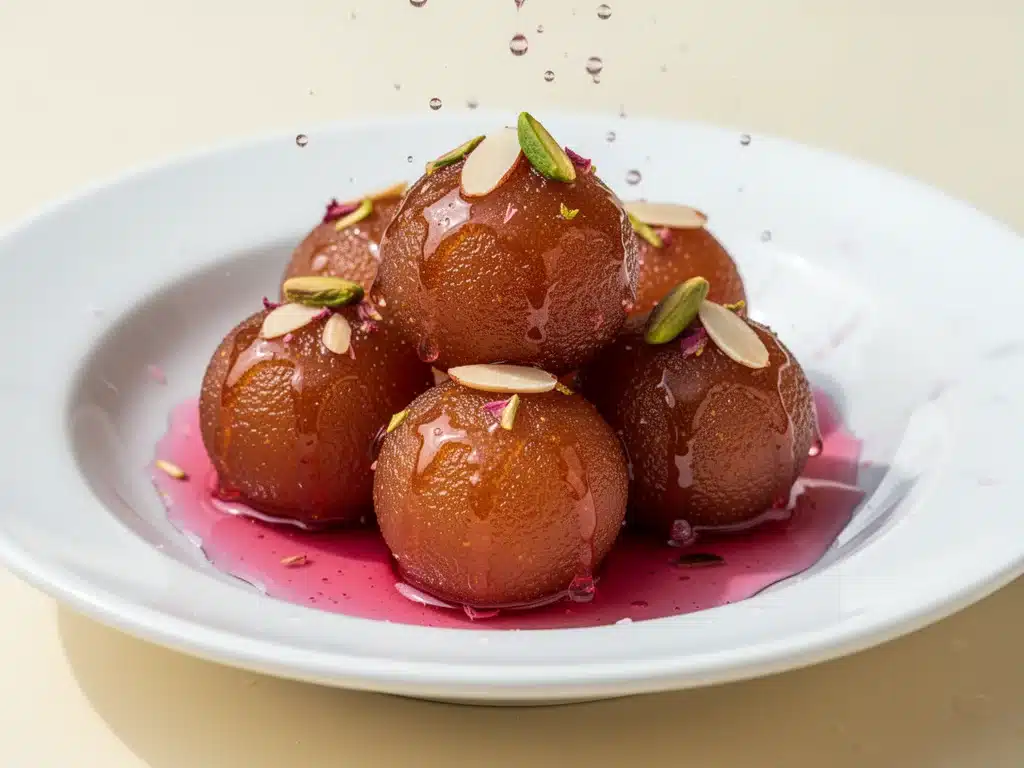
There is a specific kind of panic that sets in when you realize you’re serving a dessert that has been a staple of my family’s celebrations for thirty years, and you have no idea if you can actually make it from scratch.
That was me last Diwali. My auntie, the undisputed queen of Indian sweets, was in town. She’s the woman who can look at a lump of dough and know exactly how much water it needs by feel alone. I, on the other hand, have always relied on store-bought gulab jamun mix. You know the kind—the packet you buy at the international aisle, fry the balls, drop them in syrup, and pray they don’t explode. It’s convenient, sure. But it lacks that soul-crushing, homemade texture. The ones from a packet are often too dense, too dry, or worse, they crack open in the oil like a bomb and turn into soggy bread.
So, standing in my kitchen with my auntie watching my every move (which is intimidating, by the way), I decided to make the dough from scratch. I’ve made this Indian Style Gulab Jamun recipe at least a dozen times since then. Some batches were disasters. One time I used milk powder instead of khoya and ended up with rubbery marbles. Another time, I didn’t let the dough rest, and the balls shattered in the syrup. But now? I’ve got it down. I’ve got a method that is forgiving, reliable, and produces those pillowy-soft, syrup-soaked clouds of joy that make everyone at the table close their eyes and sigh.
This isn’t just a dessert; it’s an experience. It’s warm, it’s sweet, it’s fragrant with rose and cardamom, and it’s the perfect way to end a meal. If you’ve been intimidated by the thought of making Indian sweets at home, let me tell you: you don’t need a degree in chemistry. You just need the right ratio of ingredients and a little bit of patience. This rose syrup dessert is easier than you think, and once you taste it, you’ll never go back to the packet mix again.
Why You’ll Love This Recipe
I know what you’re thinking. “But it’s deep frying!” Yes, it is. But it’s also the best thing you’ll eat all week. Here’s why this Indian Style Gulab Jamun deserves a spot in your recipe rotation:
- That Impossible Texture — The goal is a crisp exterior that gives way to a melt-in-your-mouth interior. I’ve tested dozens of variations, and this method guarantees that soft, cake-like center every single time. It absorbs the syrup without falling apart.
- Simple Ingredients — You probably have most of these in your pantry. All-purpose flour, baking powder, cornstarch, milk powder (or dry milk), and ghee. No fancy, hard-to-find items unless you want to be traditional, which I’ll explain how to do later.
- Make-Ahead Magic — Here’s the best part: Indian Style Gulab Jamun tastes even better the next day. The flavors meld, the syrup penetrates deeper, and the texture softens further. I often make these two days in advance for parties because it takes the stress off the night of the event.
- Customizable Sweetness — Store-bought syrup is often cloyingly sweet. Making your own rose syrup dessert base lets you control the sugar level and the floral notes. You can add more rose water, more cardamom, or less sugar. It’s your dessert.
- Crowd-Pleasing Aroma — The smell of frying dough and simmering rose syrup will fill your entire house. It’s nostalgic, comforting, and instantly makes guests feel welcome. My non-Indian friends ask for the recipe just because they loved the scent.
This is my go-to when I want to impress without spending six hours in the kitchen. It’s reliable, it’s delicious, and it brings people together. Plus, the leftovers (if there are any) are fantastic for breakfast if you’re into sweet, syrupy toast alternatives.
Ingredients You’ll Need
Before we get to the frying, let’s talk about what goes into these little balls of heaven. I’m particular about a few things here, especially the dough consistency.
For the Gulab Jamun Dough
Khoya (Mawa) or Milk Powder (1 cup / 100g) — If you’re traditional, you use khoya, which is dried evaporated milk solids. It’s rich and creamy. But I’m going to be honest: khoya is hard to find and often dries out in the package. For my Indian Style Gulab Jamun recipe, I use fine milk powder. It’s cheaper, easier to store, and gives a lighter, airier texture that many people actually prefer. If you use khoya, crumble it finely.
All-Purpose Flour (2 tablespoons / 15g) — This provides structure. Don’t skip it, but don’t add too much, or your jamuns will be dense and bread-like. A little goes a long way.
Cornstarch (2 tablespoons / 15g) — This is the secret weapon. Cornstarch tenderizes the dough, ensuring that soft, melt-in-your-mouth texture. It prevents the gluten from forming too much, keeping the jamun tender.
Baking Powder (½ teaspoon) — This gives them a little lift. Not a huge rise like a cupcake, but enough to keep them airy. Make sure it’s fresh; old baking powder means flat, dense balls.
Cardamom Powder (½ teaspoon) — Freshly ground is best. If you only have whole pods, grind them finely. Cardamom is the signature flavor of Indian sweets.
Unsalted Butter or Ghee (1 tablespoon) — This adds richness and helps bind the dough. Ghee is traditional and adds a nutty aroma, but butter works fine too. Rub it into the dry ingredients with your fingertips.
Milk (2-3 tablespoons) — You’ll add this gradually to form the dough. Use full-fat milk for the best texture. You might not need all of it, so add slowly.
For the Rose Syrup
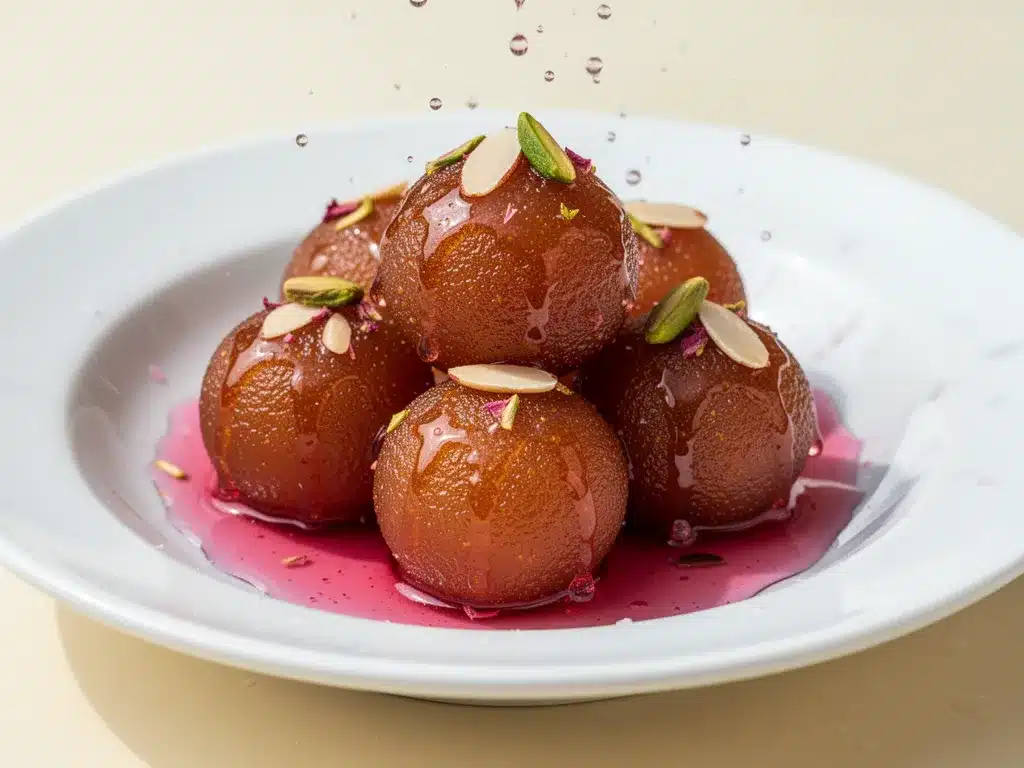
Granulated Sugar (1 cup / 200g) — Standard white sugar works best. Brown sugar will change the color and flavor too much.
Water (1 cup / 240ml) — Equal parts sugar and water is the standard syrup ratio.
Rose Water (1-2 teaspoons) — This is the heart of the rose syrup dessert. Use good quality rose water, not rose extract (which is synthetic and tastes like perfume). If you can find edible rose petals, a few added to the syrup are beautiful.
Cardamom Pods (2-3, crushed) — Adds a subtle spice note to the syrup. You can remove them before serving, or leave them in for decoration.
Saffron Strands (A pinch, optional) — Soak these in a tablespoon of warm milk for 10 minutes, then add to the syrup. It turns the syrup a gorgeous golden color and adds a luxurious flavor. Totally optional, but fancy.
Chopped Pistachios or Almonds (For garnish) — Adds a nice crunch and visual appeal.
Equipment Needed
You don’t need a fancy kitchen for this. Here’s what I actually use:
Mixing Bowl — A medium-sized bowl for combining the dry ingredients and kneading the dough.
Small Saucepan — For making the syrup. A heavy-bottomed pan prevents burning.
Deep Fry Pan or Kadhai — Something with high sides. You need enough oil to submerge the balls. A deep skillet or a small wok works perfectly.
Candy Thermometer (Optional but Helpful) — If you want to get the syrup to the right consistency (one-string consistency), a thermometer helps. But I usually go by the finger test.
Slotted Spoon — For removing the fried jamuns from the oil and dipping them in syrup.
Plate — For resting the fried jamuns before dipping.
How to Make It: Step-by-Step
Alright, let’s make this! I’m walking you through exactly how I do it, including the little tricks I’ve picked up over the years.
Step 1: Make the Syrup First
In a saucepan, combine sugar and water. Bring to a boil over medium heat, stirring until the sugar dissolves. Once it boils, reduce heat to low and let it simmer for 5-7 minutes. Add the crushed cardamom pods and saffron milk (if using). Simmer for another 2 minutes. Remove from heat and stir in the rose water. Important: Let the syrup cool completely before you fry the jamuns. If the syrup is hot when you dip the jamuns, they’ll absorb too much liquid too fast and might break. Cover and set aside.
Step 2: Prepare the Dough
In a mixing bowl, combine the milk powder (or crumbled khoya), all-purpose flour, cornstarch, baking powder, and cardamom powder. Mix well. Add the butter or ghee and rub it into the dry ingredients with your fingertips until it resembles breadcrumbs. This step is crucial for a tender texture.
Now, add milk gradually, one tablespoon at a time. Knead gently into a soft, smooth dough. Do not over-knead. Over-kneading develops gluten, which makes the jamuns hard. The dough should be soft and pliable, like playdough. If it’s too dry, add a few more drops of milk. If it’s too sticky, add a tiny bit more flour. It should not stick to your hands.
Step 3: Rest the Dough
Cover the dough with a damp cloth and let it rest for 15-20 minutes. This allows the flour and milk powder to hydrate fully, making the dough easier to shape and ensuring a softer final product.
Step 4: Shape the Balls
Grease your hands lightly with oil or ghee to prevent sticking. Take a small portion of dough (about the size of a walnut) and roll it between your palms to form a smooth, crack-free ball. This is the most important step. Any cracks in the raw dough will expand in the oil and cause the jamun to burst. If you see cracks, gently press them closed. Place the shaped balls on a plate.
Step 5: Heat the Oil
Fill your deep pan with enough oil to submerge the jamuns. Heat over medium-low heat. The oil should be warm, not smoking. Test by dropping a tiny piece of dough into the oil. If it sinks to the bottom and takes 30 seconds to rise, the oil is ready. If it rises immediately, it’s too hot. If it doesn’t rise at all, it’s too cold. Medium-low is key; high heat burns the outside before the inside cooks.
Step 6: Fry the Gulab Jamun
Slide the balls into the oil in batches. Do not overcrowd the pan. Fry gently, stirring occasionally, for 5-7 minutes. Turn them frequently so they cook evenly and turn a beautiful golden brown. They should be soft to the touch when done. Remove with a slotted spoon and drain on paper towels.
Step 7: Soak in Syrup
Once the jamuns are fried and drained, gently drop them into the cooled rose syrup. Let them soak for at least 30 minutes, preferably a few hours or overnight. They will swell up and become syrupy soft. Serve at room temperature or slightly warm.
Expert Tips & Tricks
Here’s everything I’ve learned from making this dozens of times. These tips will save you from my mistakes.
The Dough Consistency is Key
If the dough is too dry, the jamuns will be hard. If it’s too wet, they’ll fall apart in the oil. Aim for a soft, smooth dough that holds its shape but doesn’t stick. If you’re using khoya, make sure it’s not too hard. If it is, microwave it for 10 seconds to soften it before mixing.
No Cracks Allowed
I cannot stress this enough. Any crack in the raw ball will become a gaping hole in the fried ball. Roll the balls smoothly and gently. If you see a crack, pinch it shut. If you’re worried, you can roll them in a little cornstarch to seal any micro-cracks.
Low and Slow Frying
High heat is the enemy. You want the inside to cook through before the outside burns. Fry on medium-low heat. If the oil is too hot, the outside will brown quickly, but the inside will remain raw and doughy. Patience pays off.
Cool Syrup for Soaking
Never drop hot jamuns into hot syrup. The temperature shock can cause them to break. Let the syrup cool to room temperature. The jamuns will absorb the syrup slowly and evenly, becoming plump and juicy.
One-String Syrup Test
If you want to ensure your syrup isn’t too thin, do the one-string test. Take a drop of syrup between your thumb and forefinger. If it forms a single thread that breaks easily, it’s ready. If it doesn’t form a string, simmer a bit longer. If the syrup is too thin, the jamuns will become mushy. If it’s too thick, they’ll be sticky and hard to chew.
Variations & Substitutions
Once you’ve nailed the basic version, here’s how you can mix it up. I’ve tried all of these.
Traditional Khoya Version
Replace the milk powder with 1 cup of crumbled khoya (mawa). The texture will be denser and richer. You may need slightly less milk when kneading. This is the classic street-food style.
Chocolate Gulab Jamun
Add 2 tablespoons of cocoa powder to the dry ingredients. The jamuns will be darker and have a subtle chocolate flavor. Pairs beautifully with the rose syrup.
Kesar Pista Variation
Add chopped pistachios and almonds to the dough. It adds a lovely crunch and visual appeal. Also, increase the saffron in the syrup for a more pronounced kesar flavor.
Gluten-Free Option
Replace the all-purpose flour with a gluten-free flour blend. Use 1 tablespoon instead of 2. The texture might be slightly more crumbly, but it still works. Ensure your baking powder is gluten-free.
Cardamom Rose Twist
Increase the cardamom in the dough and syrup. If you’re not a fan of rose, you can skip the rose water and add orange blossom water instead. Both work beautifully.
Serving & Storage
How to Serve:
I usually serve these at room temperature, garnished with chopped pistachios and a few edible rose petals. They are fantastic with a cup of masala chai or coffee. The contrast of the sweet, syrupy dessert and the spiced tea is perfection.
Storage:
Store the soaked gulab jamuns in an airtight container in the refrigerator for up to 5 days. They will continue to absorb syrup, so they might get softer. If they get too soft, you can briefly fry them again to crisp up the exterior, though this is rare.
Reheating:
You can serve them warm. Microwave them for 15-20 seconds or reheat them in a steamer. Avoid frying them again unless they’ve dried out, as they are already soaked in syrup.
Freezing:
I don’t recommend freezing the soaked jamuns as the texture can become soggy. However, you can freeze the uncooked, shaped dough balls. Place them on a tray in the freezer, then transfer to a bag. Fry them straight from frozen, adding a minute or two to the frying time.
Nutrition Information
I’m not a nutritionist, but here’s the breakdown if you’re tracking. Keep in mind, this is a sweet treat, so enjoy in moderation.
Per Serving (based on 6 servings, 2 jamuns each):
- Calories: 280
- Protein: 4g
- Carbs: 45g
- Fiber: 1g
- Sugar: 30g
- Fat: 10g
- Saturated Fat: 5g
- Cholesterol: 15mg
- Sodium: 60mg
What’s Good:
It provides some energy from carbs and a little protein from the milk powder. The cardamom has antioxidant properties.
What to Know:
It’s high in sugar and calories due to the syrup and frying. If you’re watching your sugar, you can reduce the sugar in the syrup by half, though it will affect the texture and preservation.
Final Thoughts
So that’s my go-to Indian Style Gulab Jamun! I’ve probably talked your ear off at this point, but when you make a recipe this often, you have a lot to say about it. This has saved my dessert game more times than I can count. It’s my answer to “what can I bring to the party?” when I want to show off but also keep things simple.
My friends and family love it. The kids love the sweetness. The adults love the nostalgia. And I love the fact that I can make it from scratch without buying a weird packet from the store. It’s comforting, it’s delicious, and it’s worth the effort.
Make it yours! Try different garnishes, adjust the spice levels, or experiment with different flours. The best recipes are the ones you adapt to your family’s tastes. If you make this, drop a comment and let me know what you think! I love hearing how recipes turn out in your kitchen. And if something doesn’t work, tell me that too—I’m here to help troubleshoot.
Happy cooking! And I hope your kitchen smells half as good as mine does right now.
Frequently Asked Questions
Why did my gulab jamun crack in the oil?
This usually happens if the dough was too dry, over-kneaded, or if the balls had cracks before frying. Make sure your dough is soft and smooth. Roll the balls gently and press any cracks closed. Also, ensure the oil isn’t too hot, as rapid expansion can cause bursting.
Why are my gulab jamun hard instead of soft?
Hard jamuns are often caused by over-kneading the dough, using too much flour, or frying on high heat. The inside doesn’t cook through, or the gluten develops too much. Remember: gentle kneading, low heat, and the right dough consistency are key.
Can I use all-purpose flour instead of khoya?
Yes! In fact, my recipe uses milk powder and all-purpose flour as a substitute for khoya. It makes the jamuns lighter and airier. If you use only all-purpose flour without milk powder, they will be too dense. The milk powder adds the necessary richness and moisture.
How do I know when the syrup is ready?
Do the one-string test. Dip your thumb and forefinger in the syrup, pull them apart, and see if a single thread forms. If it does, the syrup is ready. If it doesn’t, simmer a bit longer. If the syrup is too thin, the jamuns will be mushy. If it’s too thick, they’ll be sticky.
Can I make the syrup ahead of time?
Absolutely. Make the syrup a day or two in advance. Store it in the fridge. Bring it to room temperature before using. In fact, making it ahead allows the flavors to meld, resulting in a better-tasting rose syrup dessert.
Can I freeze the gulab jamun?
I recommend freezing the uncooked dough balls, not the soaked ones. Place the shaped balls on a tray in the freezer, then transfer to a bag. Fry them straight from frozen. Soaked jamuns can become soggy when frozen and thawed.
What can I serve with gulab jamun?
They are traditionally served with rabri (thickened sweet milk), but they are also delicious with a scoop of vanilla ice cream or a cup of masala chai. The contrast of hot tea and sweet, cold jamuns is a classic combination.
Pin This Recipe!
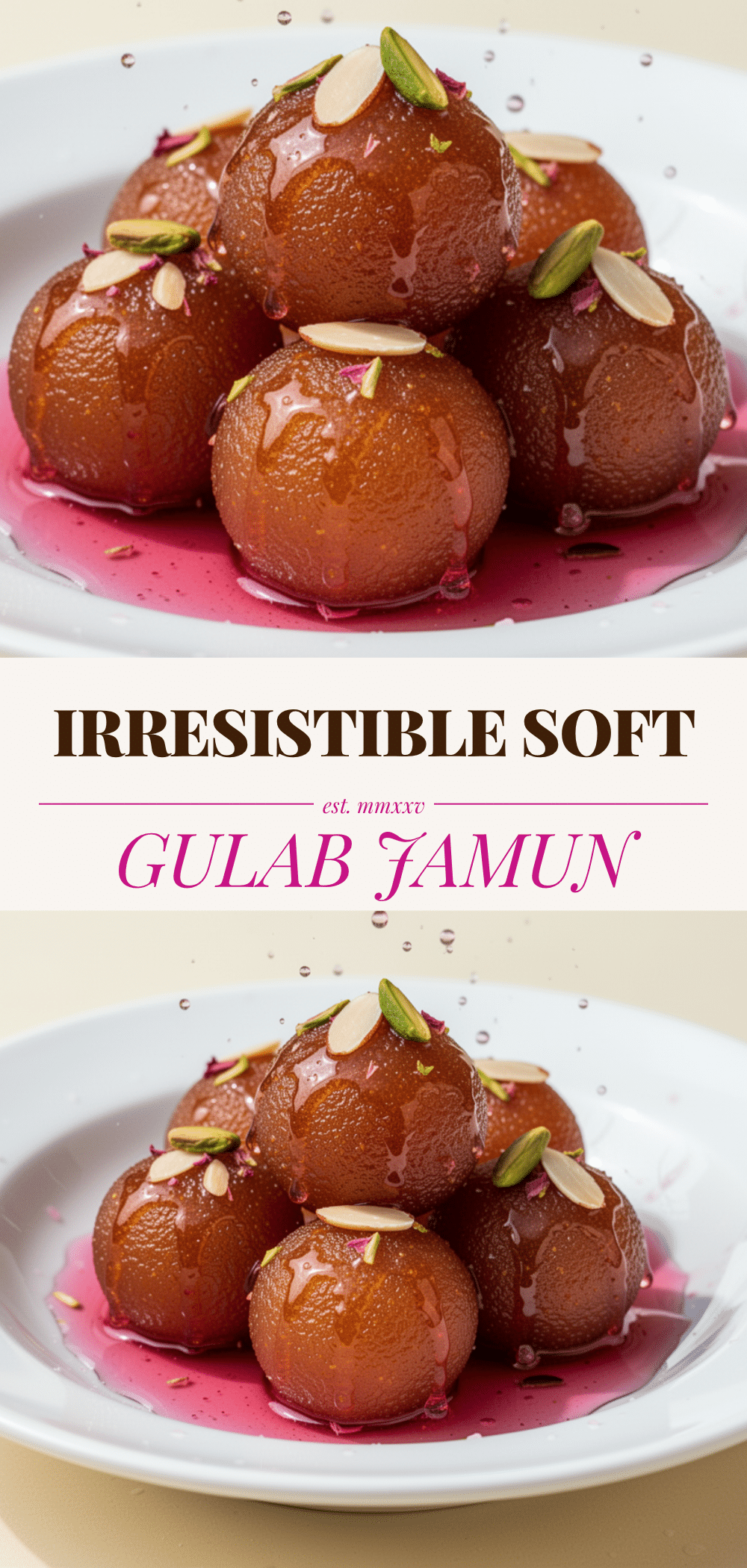

Indian Style Gulab Jamun: Best Easy Rose Syrup Dessert
- Total Time: 1 hour
- Yield: 6 servings 1x
Description
A reliable, from-scratch recipe for pillowy-soft Gulab Jamun made with milk powder and all-purpose flour, soaked in a fragrant homemade rose and cardamom syrup.
Ingredients
- 1 cup (100g) fine milk powder (or 1 cup crumbled khoya/mawa)
- 2 tablespoons (15g) all-purpose flour
- 2 tablespoons (15g) cornstarch
- 1/2 teaspoon baking powder
- 1/2 teaspoon cardamom powder
- 1 tablespoon unsalted butter or ghee
- 2–3 tablespoons full-fat milk
- 1 cup (200g) granulated sugar
- 1 cup (240ml) water
- 1–2 teaspoons rose water
- 2–3 crushed cardamom pods
- A pinch of saffron strands (soaked in 1 tbsp warm milk)
- Oil for deep frying
- Chopped pistachios or almonds for garnish
Instructions
- Make the syrup: Combine sugar and water in a saucepan. Bring to a boil, then reduce heat and simmer for 5-7 minutes. Add crushed cardamom pods and saffron milk, simmer for 2 more minutes. Remove from heat, stir in rose water, and let cool completely.
- Prepare the dough: In a mixing bowl, combine milk powder, flour, cornstarch, baking powder, and cardamom powder. Rub in butter or ghee until the mixture resembles breadcrumbs.
- Add milk gradually, one tablespoon at a time, kneading gently into a soft, smooth dough. Do not over-knead. The dough should be pliable and not stick to hands.
- Rest the dough: Cover with a damp cloth and let rest for 15-20 minutes.
- Shape the balls: Grease hands with oil or ghee. Roll small portions of dough (walnut-sized) into smooth, crack-free balls. Press any cracks closed gently.
- Heat oil: Fill a deep pan with oil and heat over medium-low heat. Test by dropping a small piece of dough; it should sink and take 30 seconds to rise.
- Fry the jamuns: Slide balls into the oil in batches. Fry gently for 5-7 minutes, turning frequently, until golden brown and soft. Remove with a slotted spoon and drain on paper towels.
- Soak in syrup: Once fried and drained, gently drop jamuns into the cooled rose syrup. Let soak for at least 30 minutes, preferably longer.
- Serve at room temperature or slightly warm, garnished with chopped nuts.
Notes
Ensure the syrup is completely cool before soaking the fried jamuns to prevent them from breaking. Fry on medium-low heat to ensure the inside cooks through without burning the outside. The dough must be smooth and crack-free to prevent bursting in the oil.
- Prep Time: 30 minutes
- Cook Time: 30 minutes
- Category: Dessert
- Cuisine: Indian
Nutrition
- Serving Size: 2 jamuns per serving
- Calories: 280
- Sugar: 30
- Sodium: 60
- Fat: 10
- Saturated Fat: 5
- Carbohydrates: 45
- Fiber: 1
- Protein: 4
Keywords: Gulab Jamun, Indian dessert, rose syrup, homemade sweets, fried dough, cardamom, khoya substitute, milk powder dessert


