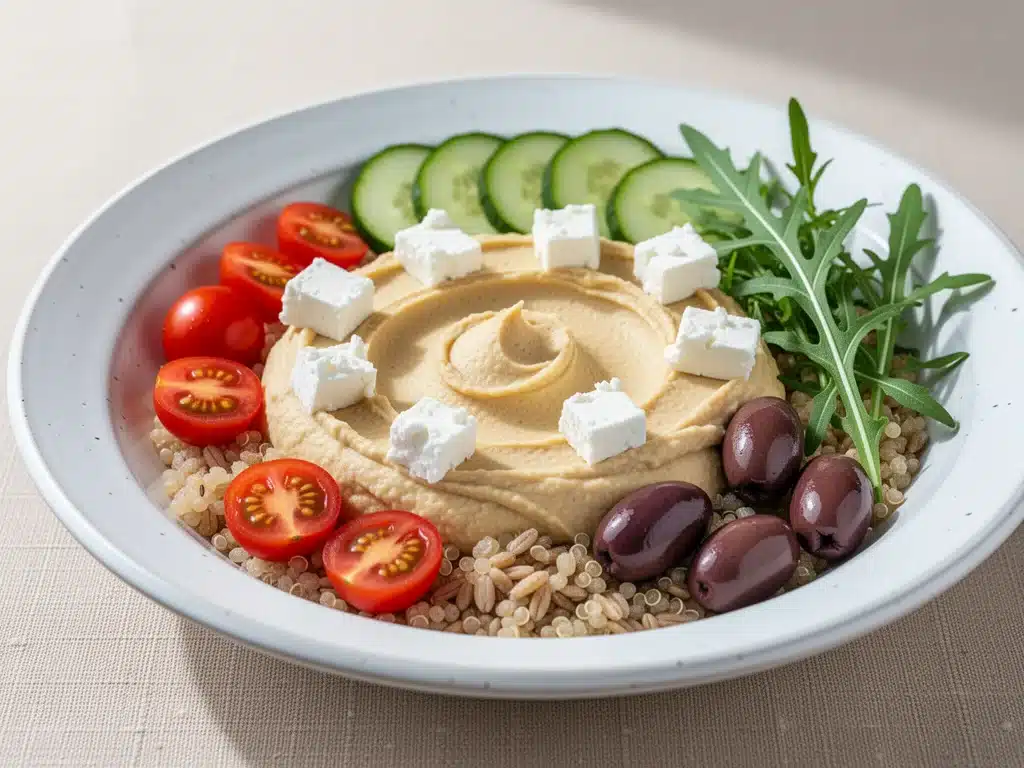
Three years ago, I stood in my kitchen at 6:30 PM on a Tuesday, staring into an open fridge that was mostly empty except for a wilting bunch of spinach and a single lemon. I was exhausted. My kids had been arguing since breakfast, my husband was running late from work, and I knew that if I didn’t feed them something fast, chaos would ensue. I wanted to eat healthy—I really did—but the idea of chopping, roasting, and assembling five different ingredients for dinner felt like a second job I hadn’t applied for.
So, I ordered takeout. Again. And I felt that familiar pang of guilt mixed with defeat. I knew I wanted to eat more like my grandparents did—fresh vegetables, good olive oil, simple grains, no heavy creams or processed sugars—but the “Mediterranean Diet” always sounded so… complicated. Like I needed to find specific herbs I’d never heard of and spend hours marinating things I wouldn’t have time to cook.
Then, I had a realization. The Mediterranean diet isn’t about complicated recipes; it’s about a vibe. It’s about assembly, not alchemy. It’s about having a pantry stocked with things that don’t die in three days. That Tuesday night, I stopped trying to “cook” and started trying to “assemble.” I grabbed a jar of quinoa I’d cooked on Sunday, some canned chickpeas, a handful of feta, and whatever veggies were hanging on in there. I threw it all in a bowl, drizzled it with lemon and olive oil, and for the first time in months, I ate a meal that felt good in my body and didn’t cost $30.
That bowl became my obsession. I’ve tested this Mediterranean Diet Grain Bowl formula dozens of times—sometimes with farro, sometimes with couscous, sometimes with just plain rice. I’ve tweaked the dressings, swapped the proteins, and figured out exactly how to keep these fresh all week without getting soggy. And here’s the secret: It’s not about perfection. It’s about having a system that works when you’re tired.
These Mediterranean Diet grain bowls are my answer to “what’s for dinner?” when I have zero energy but still want to eat like a human being who cares about nutrition. They’re colorful, they’re filling, they’re ridiculously easy to make ahead, and they taste better on day three than they did on day one (don’t ask me why, it’s just a law of nature). If you’ve been intimidated by meal prep or think healthy eating is too much work, this is the recipe that will change your relationship with your kitchen. Trust me, I’m the last person who has time for fancy cooking, and I’ve got a foolproof method for you.
Why You’ll Love This Meal Prep Strategy
There are about ten reasons I keep coming back to these grain bowls, but let’s be real—we all have different motivations. Maybe you’re trying to save money. Maybe you’re trying to lose weight. Maybe you just want to stop spending your evenings wondering what to eat. Whatever your reason, these Mediterranean Diet grain bowls hit every single note.
- Zero Cooking Stress on Weeknights — Seriously. On Sunday, you spend maybe 45 minutes active time. That’s it. For the rest of the week, dinner is just scooping stuff into a container. I’ve made these during busy exam weeks, during moving days, and even while I was recovering from the flu. They are the ultimate low-effort, high-reward meal.
- Actually Stays Fresh for 5 Days — I’ve heard stories about meal prep salads turning into mush by Wednesday. Not here. Because we keep the dressing separate and use sturdy grains like quinoa or farro, these bowls stay crisp and flavorful all week long. I’ve eaten these on day five, and they were still good. That’s rare for healthy food.
- Pantry-Friendly Ingredients — You don’t need to go to a specialty store. Canned chickpeas? Check. Jarred artichokes? Check. Good olive oil? Check. Most of these ingredients have a long shelf life, so you can buy them on sale and keep them in the back of your cupboard for months. It’s budget-friendly and waste-free.
- Customizable for Any Diet — Vegetarian? Yes. Vegan? Easy swap. Gluten-free? Just swap the grain. My gluten-free sister and my omnivore husband both love these bowls. You can customize the protein and the base without changing the core recipe. It’s a template, not a rigid set of rules.
- Better Than Takeout (And Cheaper) — A grain bowl from a salad place will run you $15-$18. Making five of these at home costs about $25 total. That’s less than $5 per meal. And you know exactly what’s in it. No hidden oils, no weird preservatives, just real food.
This isn’t just a recipe; it’s a lifesaver for busy weeks. It’s my go-to when I need dinner to just work, without me having to think about it. No complicated techniques, no weird ingredients, just reliable, delicious food that makes everyone happy.
Ingredients You’ll Need for the Perfect Bowl
Here’s the best part: you probably have most of this already. Mediterranean cooking is all about simple, high-quality ingredients. You don’t need fancy gadgets or obscure spices. Here’s what I recommend for the ultimate grain bowl experience.
The Base
Quinoa (1 cup dry / 180g) — I love quinoa because it’s gluten-free, packed with protein, and fluffy. If you prefer something chewier, try farro or barley. For a lighter option, brown rice works too. Just make sure it’s a grain that holds up well to reheating or eating cold.
Water or Vegetable Broth (2 cups / 480ml) — I usually cook my quinoa in water, but if you want extra flavor, use low-sodium vegetable broth. It adds a subtle depth without overpowering the fresh veggies.
The Protein
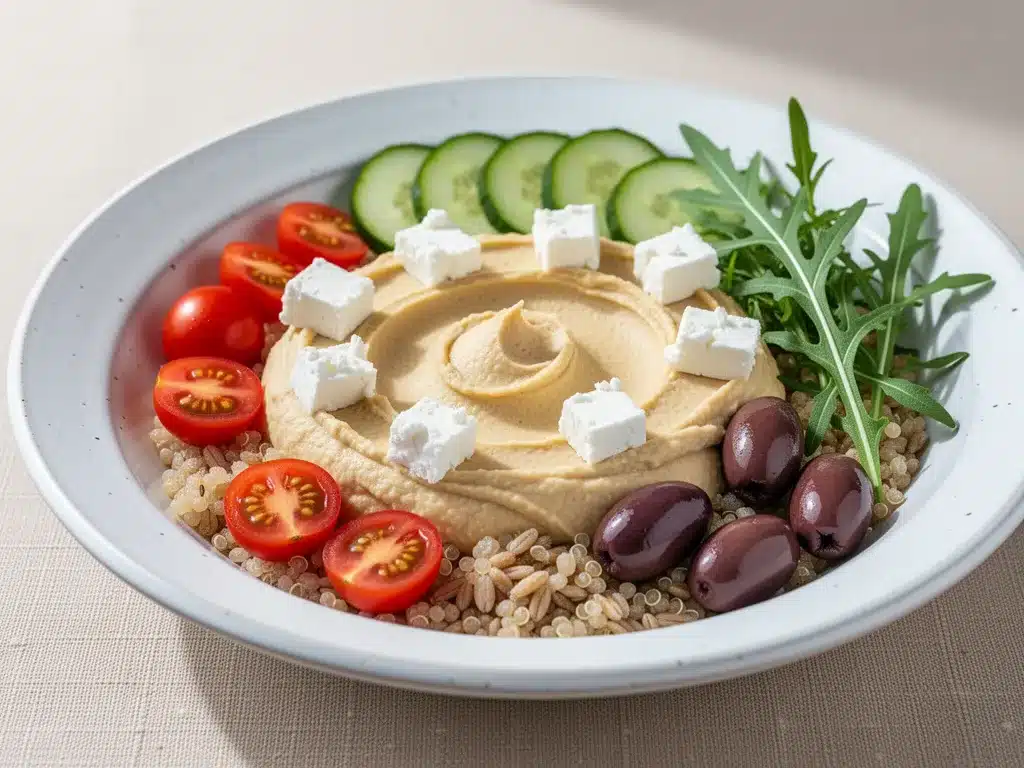
Chickpeas (2 cans / 400g each) — The classic Mediterranean protein. Rinse them well to remove the tinny taste. If you’re not a fan of chickpeas, white beans or black beans work just as well. For meat-eaters, grilled chicken breast or shrimp are great additions.
Lentils (1 cup dry / 200g) — Optional, but I love mixing chickpeas with lentils for a double-protein punch. Red lentils cook faster, but green or brown hold their shape better in bowls.
The Veggies
Cucumber (1 large, diced / about 200g) — Adds crunch and freshness. English cucumbers are best because they have fewer seeds and less watery skin. If you’re using regular cucumbers, I’d suggest peeling them first.
Cherry Tomatoes (1 pint / 250g) — Halved or quartered. They burst with flavor and add a nice sweetness. Use whatever tomatoes are in season—sun-ripened vine tomatoes are amazing, but canned diced tomatoes work in a pinch.
Red Onion (1 medium, thinly sliced / about 100g) — Sharp and pungent, it cuts through the richness of the olive oil. If raw onion is too strong for you, soak the slices in cold water for 10 minutes to mellow them out.
Kalamata Olives (½ cup / 75g) — Pitted and halved. These add a salty, briny punch that defines the Mediterranean flavor profile. Don’t skip them—they’re essential.
Artichoke Hearts (1 jar / 14oz) — Quartered. This is my secret weapon. Jarred artichokes are so convenient and add a tender, earthy flavor. Fresh artichokes are great but take forever to prep.
The Cheese
Feta Cheese (1 cup / 125g, crumbled) — Salty, tangy, and creamy. Look for block feta and crumble it yourself. Pre-crumbled feta often has anti-caking agents that make it dry and dusty. Block feta tastes infinitely better.
The Dressing
Extra Virgin Olive Oil (¼ cup / 60ml) — Use good quality here. This is the main flavor in the dressing, so don’t use the cheap stuff. I keep a bottle of Italian or Greek EVOO specifically for salads.
Lemon Juice (¼ cup / 60ml) — Freshly squeezed. Bottled lemon juice has a metallic taste that really shows up in simple recipes. Squeeze two or three lemons yourself.
Garlic (2 cloves, minced / about 1 tablespoon) — Fresh garlic only. No jarred stuff in the dressing. It’s too harsh and loses its flavor quickly.
Dried Oregano (1 teaspoon) — The signature Mediterranean herb. Rub it between your palms before adding it to the dressing to release the oils.
Honey or Maple Syrup (1 teaspoon) — Just a touch to balance the acidity of the lemon. Skip if you’re avoiding sugar.
Salt and Black Pepper — To taste. Always season to taste at the end.
Optional Add-ins
Fresh Herbs — Parsley or mint, chopped. Adds brightness and color. I usually have parsley in my fridge, so it’s my default.
Roasted Red Peppers — From a jar, drained and sliced. Adds sweetness and smokiness.
Couscous — If you want a quicker grain option, Israeli couscous or pearl couscous holds up well and has a nice chew.
Equipment Needed
You don’t need fancy equipment for this. Here’s what I actually use.
Medium Saucepan with Lid — For cooking the quinoa. A 2-quart pot works perfectly. I use a stainless steel one because it heats evenly and doesn’t stick.
Large Mixing Bowl — For tossing the veggies and mixing the dressing. Any big bowl works. I use a glass one because I can see everything clearly.
Whisk — For emulsifying the dressing. A small whisk is perfect. Fork works too, but a whisk makes it smoother.
Sharp Knife — For chopping veggies. A dull knife makes you cry more—learned this the hard way with onions.
Measuring Cups and Spoons — Standard stuff. Dollar store versions work fine.
Meal Prep Containers — Glass containers are best because they don’t stain and can go in the fridge or microwave. I use 32oz containers, which is about the right size for a full meal. Plastic works too, but glass feels nicer and lasts longer.
Colander — For rinsing chickpeas and draining grains. Or just use a sieve if you’re being lazy.
Cheese Grater or Hand for Crumbling — For the feta. I just use my hands—it’s faster and gives me better control over the crumble size.
How to Make It: Step-by-Step
Alright, let’s make this! I’m walking you through exactly how I do it, including the little tricks I’ve picked up over the years.
Step 1: Cook the Grain (20-30 minutes)
Rinse your quinoa (or chosen grain) in a fine-mesh strainer under cold water. This removes the bitter saponin coating. In your saucepan, combine 1 cup quinoa with 2 cups water or broth. Bring to a boil, then reduce heat to low, cover, and simmer for 15 minutes. Remove from heat and let it sit, covered, for 10 minutes. Fluff with a fork. This resting step is crucial—it makes the grains tender and fluffy. Set aside to cool.
Step 2: Prep the Veggies (10 minutes)
While the grain cooks, prep your veggies. Dice the cucumber, halve the cherry tomatoes, slice the red onion, and halve the olives. Quarter the artichoke hearts if they’re large. I like to keep the veggies in separate piles on my cutting board so I can assemble quickly later. If you’re sensitive to raw onion, soak the slices in ice water for 10 minutes, then drain.
Step 3: Make the Dressing (5 minutes)
In a small bowl or jar, whisk together the olive oil, lemon juice, minced garlic, dried oregano, honey, salt, and pepper. Whisk until emulsified (it should look creamy and mixed). Taste and adjust. Need more salt? Add a pinch. Too sour? Add a drop more honey. This dressing keeps well in the fridge for a week, so I often make extra.
Step 4: Prep the Protein
Rinse and drain the chickpeas. Pat them dry with a paper towel. If you want them warmer and more flavorful, you can toss them with a little olive oil and oregano and roast them at 400°F for 15 minutes. But honestly, straight out of the can is fine and saves time. If using chicken, grill or bake it separately and slice.
Step 5: Assemble the Bowls
Take your meal prep containers. Start with a layer of the cooled grain on the bottom. This acts as a base and prevents the veggies from getting soggy. Add a layer of chickpeas/protein. Then, arrange the veggies in sections: cucumber, tomatoes, onions, olives, artichokes. Top with crumbled feta cheese. I like to keep the components separate visually—it looks pretty and lets you mix as much as you want.
Step 6: Store the Dressing Separately
This is the most important step for meal prep success. Pour the dressing into a small jar or separate container. Do NOT pour it over the bowls yet. The acid in the lemon juice will break down the veggies and make them mushy if left too long. Keep the dressing separate until you’re ready to eat.
Step 7: Repeat
Repeat for as many containers as you need. I usually make 5 for the week. Store them in the fridge. They’ll keep for up to 5 days.
Total Time: About 45 minutes (active time). The rest is hands-off cooking.
Expert Tips & Tricks
Here’s everything I’ve learned from making these bowls dozens of times. These tips will save you from my mistakes.
Don’t Skip the Rinse
If you don’t rinse your quinoa, it will taste bitter. I learned this the hard way on my first attempt. A bitter grain ruins the whole bowl. Rinse it well until the water runs clear.
Cool the Grain Completely
Hot grain will steam the veggies and make them wilt. Let the quinoa cool to room temperature before assembling. I usually spread it out on a baking sheet to speed up the process.
Pat Dry the Chickpeas
Wet chickpeas make the bowl soggy. Rinse them, then pat them dry with a paper towel. It’s an extra step, but it makes a big difference in texture.
Use Glass Containers
Plastic containers can stain from the turmeric or paprika if you add them, and they retain odors. Glass containers are easier to clean and don’t absorb smells. Plus, they look nicer on your counter.
Keep the Dressing Separate
I can’t stress this enough. Pour the dressing into a small mason jar. When you’re ready to eat, shake the jar and pour it over your bowl. Toss it up and dig in. This keeps the veggies crisp for days.
Add Fresh Herbs Last
If you add fresh parsley or mint during assembly, they’ll turn brown and slimy by day three. Add fresh herbs right before you eat. Keep them in a separate bag or container.
Common Mistakes (and how to avoid them):
Mistake: Grains are mushy. Fix: You probably used too much water or didn’t let it rest. Use a 2:1 water-to-grain ratio and let it sit covered for 10 minutes after cooking.
Mistake: Veggies are soggy. Fix: You poured the dressing on too early. Keep it separate until serving. Also, make sure the grain is completely cool before adding veggies.
Mistake: Bowl tastes bland. Fix: You didn’t season enough. Mediterranean food relies on salt and acid. Taste your dressing and adjust. Add more lemon or salt if needed.
Variations & Substitutions
Once you’ve nailed the basic version, here’s how you can mix it up. I’ve tried all of these.
Chicken Version
Add 2 cups diced grilled chicken breast. Marinate the chicken in lemon and oregano before grilling for extra flavor. My husband prefers this version—makes it more filling.
Vegan Version
Skip the feta cheese. Use nutritional yeast or a vegan feta alternative. Add roasted red peppers for extra creaminess. My lactose-intolerant friend requests this version.
Gluten-Free Version
Use quinoa or rice. Everything else is naturally gluten-free. I’ve used Barilla gluten-free pasta in similar bowls and it works great, but for grains, quinoa is the safest bet.
Lemon Herb Chicken
Add zest of 1 lemon and 2 tablespoons lemon juice to the dressing. Brightens everything up. Great for summer.
Mediterranean Lentil Bowl
Swap chickpeas for cooked green lentils. Lentils hold their shape well and add a earthy flavor. I love this version for its high protein content.
Roasted Veggie Bowl
Instead of raw veggies, roast cauliflower, zucchini, and bell peppers. Toss with olive oil and roast at 400°F for 20 minutes. Adds a warm, comforting element.
Different Grains:
- Couscous (quick cooking, light texture)
- Farro (chewy, nutty, hearty)
- Bulgur (traditional for tabbouleh, quick cooking)
- Brown Rice (nutty, filling, takes longer to cook)
Serving & Storage
How to Serve:
I usually eat these cold or at room temperature. They taste great that way. But if you prefer warm grain, you can microwave the bowl (without the dressing) for 1-2 minutes. Add the dressing after heating.
Side Dishes:
- Warm pita bread or pita chips
- A simple side salad with vinaigrette
- Roasted potatoes
- Fresh fruit (apples or oranges work well)
Toppings Bar:
When I have guests, I put out: extra feta, olives, red pepper flakes, fresh parsley, lemon wedges. Everyone customizes their bowl.
Storage Instructions:
Refrigerator: Store in airtight containers for up to 5 days. The grain will absorb some liquid, so it might get slightly drier. Add a splash of water or extra dressing if needed.
Freezing: Honestly, these don’t freeze well. The veggies will get mushy when thawed. The grain might get weird. Make them fresh or store in the fridge. I don’t recommend freezing grain bowls.
Meal Prep: Make the grain and dressings on Sunday. Assemble bowls Monday-Wednesday. For Thursday-Friday, you can prep fresh veggies to keep them extra crisp. Or just eat the pre-assembled ones—they’re still good.
Pro tip: If the bowl looks dry, stir in a teaspoon of olive oil. It brings back the freshness.
Nutrition Information
I’m not a nutritionist, but here’s the breakdown if you’re tracking. This is per serving (based on 5 servings).
Per Serving:
- Calories: 450
- Protein: 15g
- Carbs: 55g
- Fiber: 8g
- Sugar: 6g
- Fat: 18g
- Saturated Fat: 4g
- Cholesterol: 15mg
- Sodium: 600mg
- Calcium: 150mg
What’s Good:
- High in fiber from the grain and veggies
- Good source of plant-based protein
- Healthy fats from olive oil and olives
- Rich in vitamins from fresh vegetables
What to Know:
- Higher in calories from olive oil and cheese
- Contains dairy (feta)
- Contains gluten (unless using quinoa/rice)
- Moderate sodium (use low-sodium broth to reduce)
My Take:
Look, this is healthy comfort food. It’s not a diet recipe, but it’s way better than takeout, costs less, and I know exactly what’s in it. When I want to make it lighter, I reduce the feta and olive oil. But usually? I just eat a reasonable portion and enjoy it.
Final Thoughts
So that’s my Mediterranean Diet grain bowl strategy! I’ve probably talked your ear off at this point, but when you make a recipe this often, you have a lot to say about it.
This has saved weeknight dinners more times than I can count. It’s my answer to “what’s for dinner” when I’m tired, don’t want takeout, and still want something that tastes really good. My kids are happy, my husband’s happy, and I’m happy because I’m not stressed about cooking.
Make it yours! Try different add-ins, swap in your favorite vegetables, adjust the dressing. The best recipes are the ones you adapt to your family’s tastes. If you want to try more healthy meal prep ideas, check out my chicken salad jars or my overnight oats for breakfast. These grain bowls are perfect for lunch or a light dinner.
If you make this, drop a comment and let me know what you think! I love hearing how recipes turn out in your kitchen. And if something doesn’t work, tell me that too—I’m here to help troubleshoot.
Happy cooking! And I hope your kitchen smells half as good as mine does right now.
Frequently Asked Questions
Q: Can I use rice instead of quinoa?
A: Absolutely! Brown rice or wild rice work great. Just make sure to cook it according to package directions and let it cool completely. White rice might get too mushy after a few days in the fridge, so brown is better for meal prep.
Q: Why did my dressing separate?
A: That’s normal! Olive oil and lemon juice don’t naturally mix. Just whisk or shake the dressing jar vigorously before pouring it over your bowl. Adding a teaspoon of Dijon mustard can help emulsify it and keep it mixed longer.
Q: Can I make this ahead for a dinner party?
A: Sort of. Prep the grain and veggies up to 2 days ahead. Assemble the bowls right before serving and keep the dressing separate. This way, the veggies stay crisp. I do this all the time for parties.
Q: Why did my quinoa taste bitter?
A: You probably didn’t rinse it. Quinoa has a natural coating called saponin that tastes bitter. Rinse it well in a fine-mesh strainer under cold water until the water runs clear. This is a crucial step!
Q: Can I use jarred artichokes?
A: Yes! Jarred artichoke hearts are so convenient. Just rinse them well to remove the brine, then quarter them. They add a great flavor and texture without the hassle of cooking fresh artichokes.
Q: How do I reheat leftovers without it getting dry?
A: If you prefer warm grain, microwave the bowl (without dressing) for 1-2 minutes. Add a splash of water or extra dressing after heating. The grain will absorb some liquid, so extra moisture helps.
Q: Can I double this recipe?
A: Absolutely! Double everything and use your biggest pot. The cooking times stay the same. I do this when I’m meal-prepping or feeding a crowd. Just make sure you have enough containers!
Pin This Recipe!
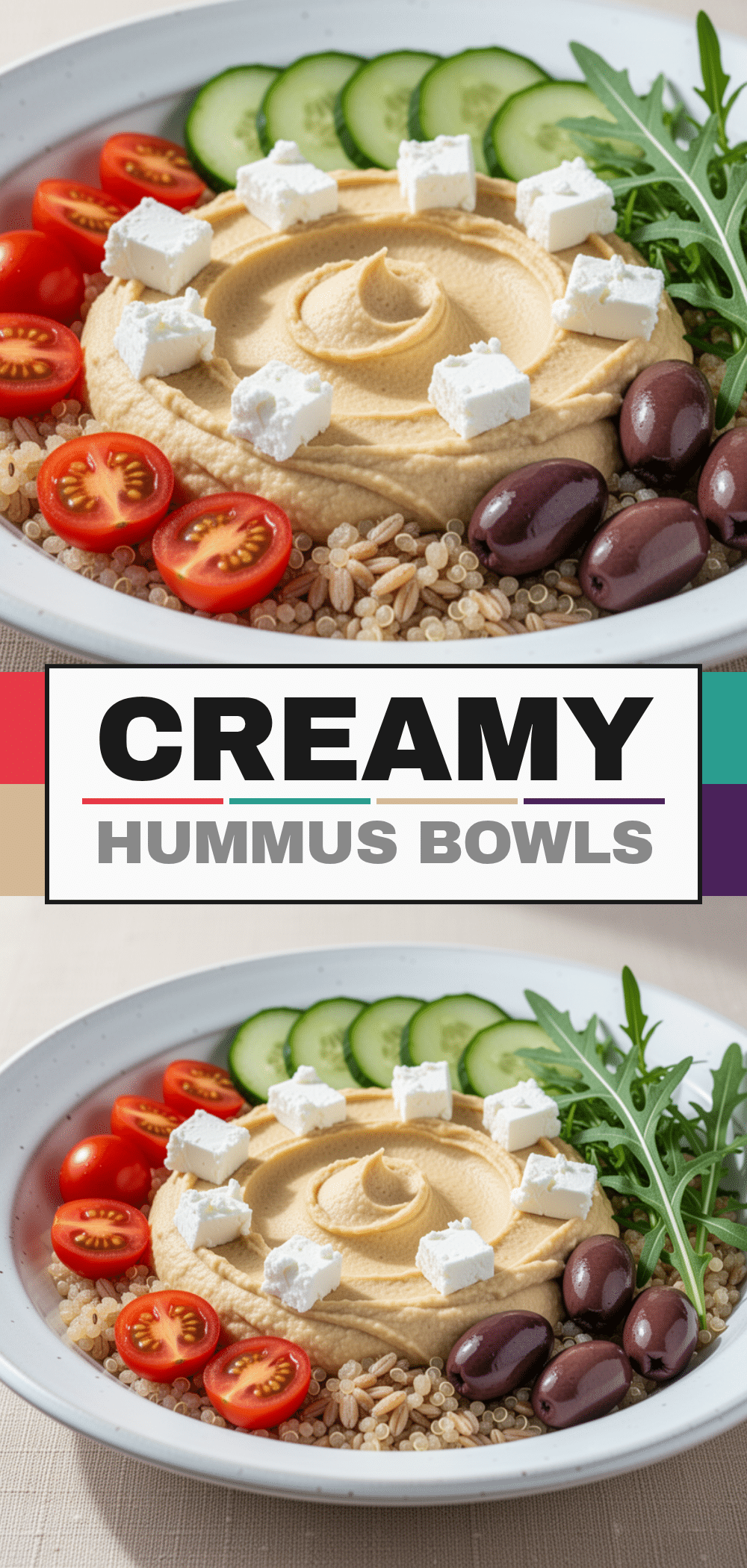
Mediterranean Diet Grain Bowls: 5 Easy Healthy Meal Prep
- Total Time: 50 minutes
- Yield: 5 servings 1x
Description
A foolproof, assembly-style Mediterranean grain bowl recipe designed for busy weeknights. These colorful, nutritious bowls stay fresh for up to 5 days and are fully customizable for various diets.
Ingredients
- 1 cup dry quinoa (or farro/barley)
- 2 cups water or low-sodium vegetable broth
- 2 cans (400g each) chickpeas, rinsed and drained
- 1 cup dry lentils (optional, for double protein)
- 1 large cucumber, diced
- 1 pint cherry tomatoes, halved or quartered
- 1 medium red onion, thinly sliced
- ½ cup Kalamata olives, pitted and halved
- 1 jar (14oz) artichoke hearts, quartered
- 1 cup feta cheese, crumbled
- ¼ cup extra virgin olive oil
- ¼ cup fresh lemon juice
- 2 cloves garlic, minced
- 1 teaspoon dried oregano
- 1 teaspoon honey or maple syrup
- Salt and black pepper to taste
- Fresh parsley or mint (optional)
Instructions
- Rinse the quinoa in a fine-mesh strainer under cold water to remove bitter saponin.
- In a medium saucepan, combine quinoa and water/broth. Bring to a boil, then reduce heat to low, cover, and simmer for 15 minutes.
- Remove from heat and let sit covered for 10 minutes, then fluff with a fork. Set aside to cool completely.
- While the grain cooks, prep the vegetables: dice cucumber, halve tomatoes, slice onion, halve olives, and quarter artichoke hearts.
- In a small bowl or jar, whisk together olive oil, lemon juice, minced garlic, dried oregano, honey, salt, and pepper until emulsified.
- Rinse and drain chickpeas, then pat them dry with a paper towel.
- Assemble bowls by placing a layer of cooled grain at the bottom of containers, followed by chickpeas, then arranged vegetables, and topped with feta.
- Store the dressing in a separate container. Do not pour over the bowls until ready to eat to prevent sogginess.
- Refrigerate in airtight containers for up to 5 days.
Notes
Cool the grain completely before assembling to prevent wilting the vegetables. Keep the dressing separate until serving to maintain texture. Rinse quinoa thoroughly to avoid bitterness. For a vegan version, omit feta and use nutritional yeast or vegan alternative.
- Prep Time: 30 minutes
- Cook Time: 20 minutes
- Category: Main Course
- Cuisine: Mediterranean
Nutrition
- Serving Size: 1 bowl
- Calories: 450
- Sugar: 6
- Sodium: 600
- Fat: 18
- Saturated Fat: 4
- Carbohydrates: 55
- Fiber: 8
- Protein: 15
Keywords: Mediterranean diet, grain bowls, meal prep, healthy lunch, quinoa bowl, vegetarian meal prep, easy dinner, gluten-free options


